
 South Africa
 Botswana
 Namibia
 Kenya
Kenya Morocco
 Mozambique
 Tanzania
 Zanzibar
 Zambia
 Zimbabwe
 View All Safaris
Plan your safari by season
Researching the best time to go on safari in Africa is a smart first step when planning your trip. Depending on when you travel, wildlife movements, weather conditions, and even beach seasons can vary dramatically.
Africa offers exceptional safari experiences year-round, but climates differ by region and season. Understanding the dry and rainy seasons across Southern and East Africa will help you choose the right time for game viewing, migrations, or a beach holiday.
Below, we break down the best time to visit Africa based on what you want to see and do.
Dry and rainy seasons across Africa
The most important weather factor when planning a safari is understanding how dry and rainy seasons vary by region.
| Southern Africa | East Africa | |
|---|---|---|
| Safari Destination | South Africa Botswana Namibia Zimbabwe Zambia | Kenya Tanzania Uganda Rwanda |
| Dry Season | May to October | January to March and June to October |
| Wet (green) Season | Around November to April | April to May (long rains), November to December (short rains) |
When is the best time to visit Southern Africa?
Choosing the best time to visit Southern Africa depends entirely on what you want to see and do.
| Experience | Best Time |
| Safari in South Africa, Botswana, Zimbabwe and Zambia | May to October |
| Safari in Kenya and Tanzania | January to March & June to October |
| Serengeti Wildebeest Migration (Tanzania) | January to September |
| Masai Mara Wildebeest Migration (Kenya) | June to November |
| Victoria Falls in full flood | February to July |
| Zebra migration in Botswana | November to February |
| Whale watching in South Africa | July to November |
| Cape Town beach holiday | November to March |
| Mozambique beach holiday | May to November |
Safari experiences during the dry season
(May to October – Southern Africa)
In Southern Africa, the dry season runs from May to October and is widely regarded as the best time to go on safari.
In South Africa, Botswana, Zimbabwe, and Zambia, game watching is at its peak during the warmer, drier months towards the end of the season (with the exception of Namibia, which is fantastic throughout the year). As vegetation thins and water sources become scarce, animals gather around rivers and waterholes, making wildlife sightings far easier. This period offers excellent chances to see the Big Five, as well as predators, plains game, and diverse birdlife.
Winter nights (June–July) can be cold, but daytime temperatures are generally mild and pleasant. This season also carries the lowest malaria risk in affected regions.
Expect to see:
- Elephants, lions, leopards, rhinos, buffalo
- Wild dogs (especially in Botswana)
- Large herds of antelope and plains game
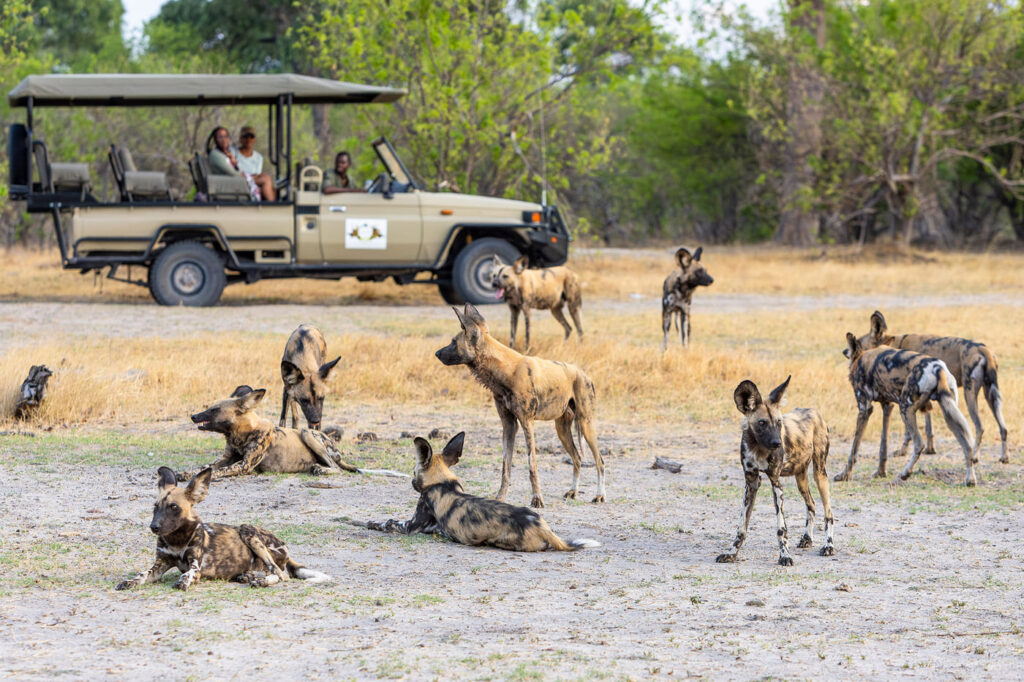
Safari experiences during the wet / green season
(November to April – Southern Africa)
December through March is considered the wet or green season across much of Southern Africa. Rain usually falls in short, heavy afternoon or evening storms, rather than all-day rainfall.
This season transforms the landscape into lush greenery and is especially rewarding for travellers interested in:
- Birdlife (migratory species arrive in large numbers)
- Calving season, when many animals give birth
- Dramatic predator activity following newborn prey
While animals may be more dispersed, sightings can still be excellent, particularly for photographers and returning safari travellers.

The best time to visit East Africa for a safari
Safari Seasons in Kenya & Tanzania
All year long, the majority of East African safari regions experience pleasant days, refreshing nights, and top-notch wildlife watching. However, safari planning must account for two distinct rainy seasons:
Long rains: April–May
Heavier rainfall; some remote camps close
Short rains: November–December
Brief showers; camps remain open; excellent value
The best safari conditions in Kenya and Tanzania are typically from January to March and June to October, when weather is drier and wildlife viewing is strongest.
Travelling during the short rains (November–December) can be an excellent option, offering fewer visitors, greener landscapes, and lower prices without significantly impacting game viewing.
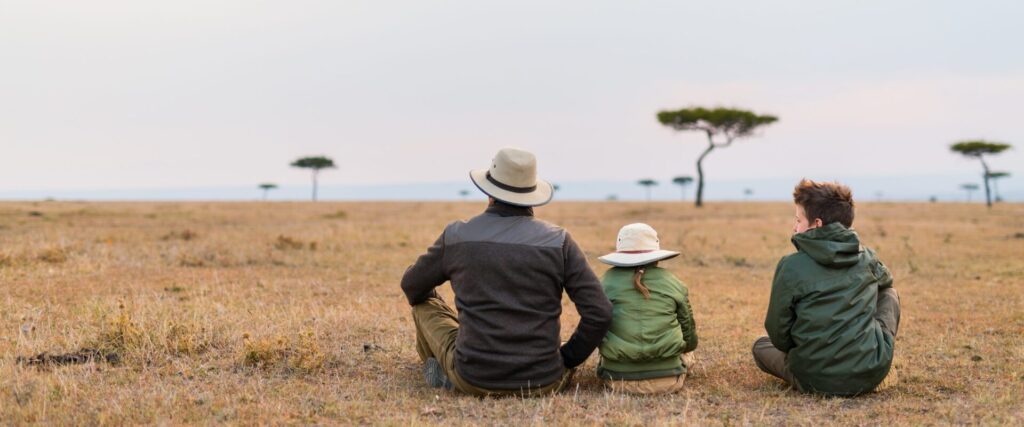
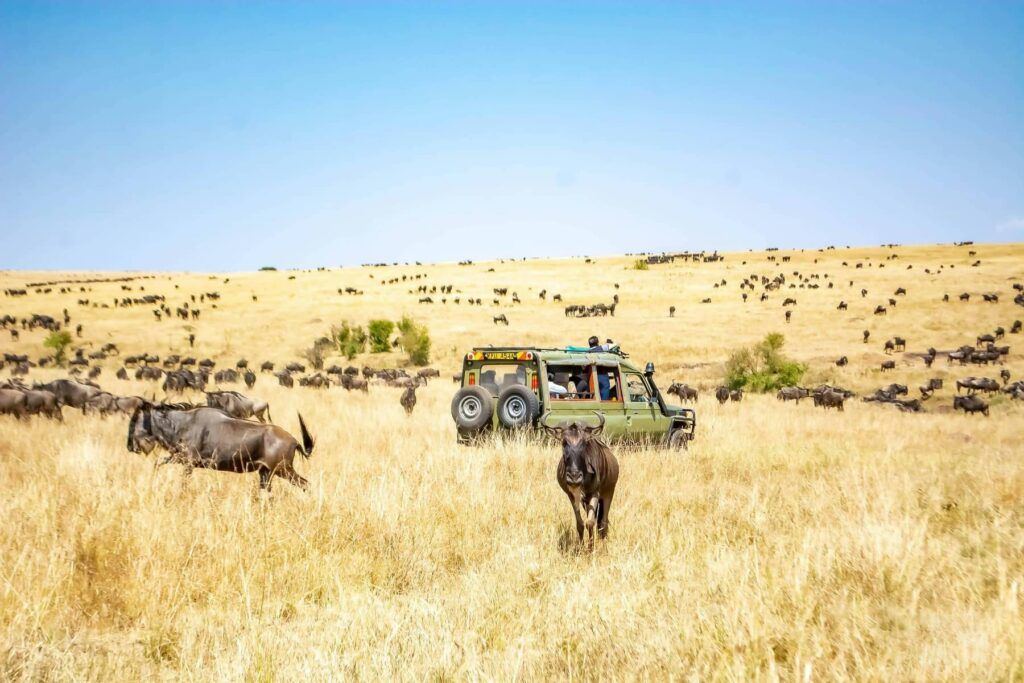
Serengeti & Masai Mara Wildebeest Migration
The Great Wildebeest Migration is a year-round movement, not a single event. Timing depends on location:
- Southern Serengeti (Tanzania): January–March
Calving season and predator action - Central & Northern Serengeti: June–September
- Masai Mara (Kenya): June–November
River crossings are most likely
Travellers should plan carefully to be in the right region at the right time. Our detailed Wildebeest Migration guide explains this in depth.
Beach holidays & honeymoons in Africa
While safari seasons vary, beach travel follows a different rhythm.
South Africa
- Best beach months: December–February
- Peak summer atmosphere, festive season energy, and warm ocean temperatures
- March–April offers fewer crowds and better value
Mozambique
- Best time: May–November
Dry, comfortable temperatures and low humidity - Avoid: January–February (cyclone season in southern Mozambique)
This period is also considered one of the best times to visit Africa for a honeymoon, combining safari and beach travel seamlessly.
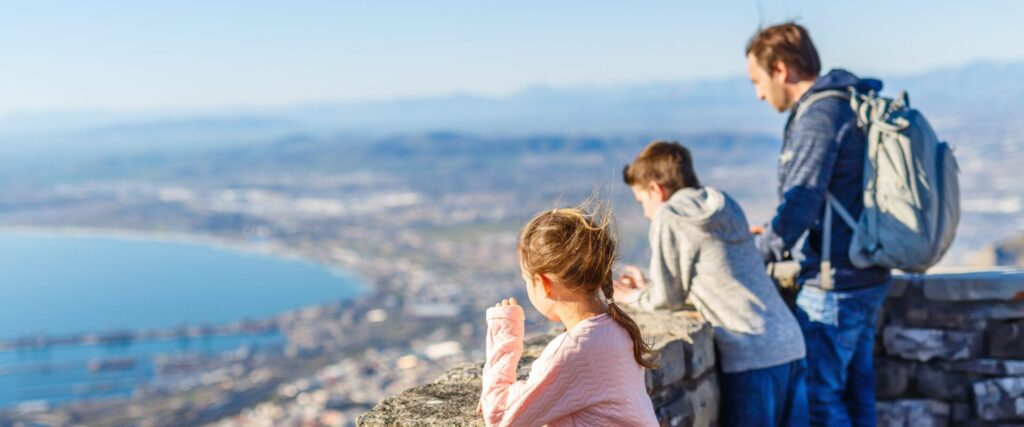
Choosing the best time to go on safari in Africa depends on the experience you’re looking for, from peak dry-season game viewing to lush green-season landscapes, iconic migrations, or a beach-and-safari combination. With the right timing, every season offers something special.
If you’d like help planning a trip around the best time to visit Africa for your interests, our safari specialists are here to guide you — from choosing destinations to matching the perfect itinerary.
Start PlanningFrequently Asked Questions
No. Africa offers safari opportunities year-round. Some seasons are better for specific experiences, but each time of year has its own advantages.
Yes. February falls within the green season in Southern Africa, bringing lush landscapes, fewer crowds, and excellent birdlife. It’s also a prime time for animal births, which can increase predator activity. While it can be warmer with occasional afternoon showers, game viewing can still be very rewarding.
The dry season (May–October) in Southern Africa generally offers the easiest Big Five sightings due to limited vegetation and concentrated wildlife.
January–March and June–October provide the best overall safari conditions in Kenya and Tanzania.
Absolutely. Many travellers pair a dry-season safari with a beach stay in Mozambique or a summer beach holiday in South Africa.