
 South Africa
 Botswana
 Namibia
 Kenya
Kenya Morocco
 Mozambique
 Tanzania
 Zanzibar
 Zambia
 Zimbabwe
 View All Safaris
Family Safari Planning
Best Time to Visit Botswana for Safari: Month-by-Month Guide
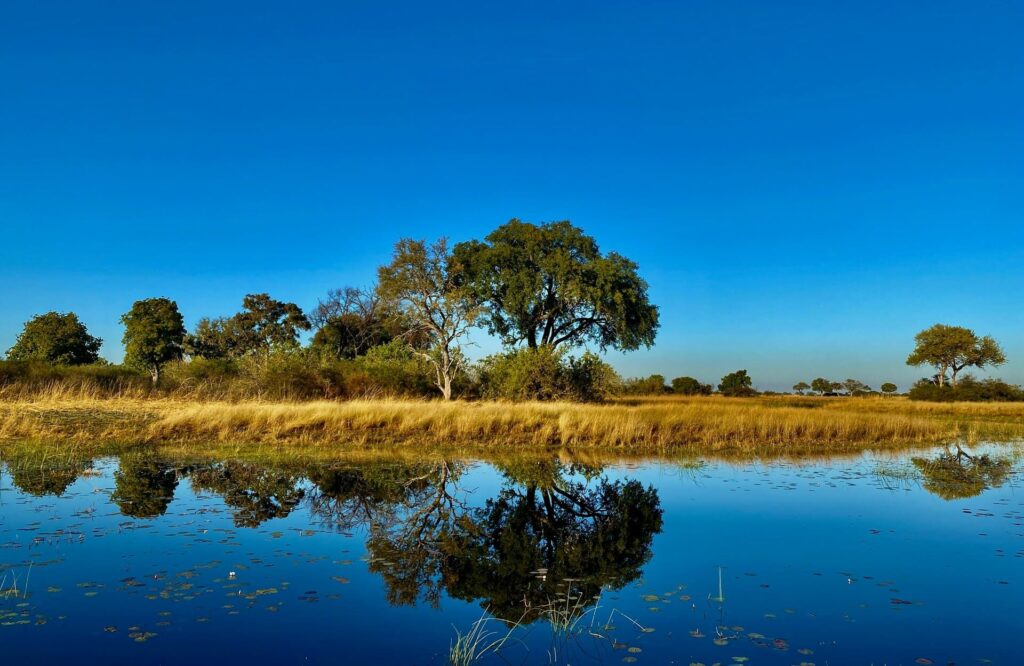

Botswana never really has a “wrong” month, but the best time to visit Botswana for safari depends on where you want to go, what you want to see, and the kind of experience you’re hoping for. May to October is usually best for classic dry-season game viewing, while November to March offers birding, lush landscapes, better value and fewer visitors.
At African Family Safaris & Tours, we plan Botswana trips around three questions:
- Who’s travelling?
Families with young kids vs teens, first‑timers or seasoned safari‑goers, serious photographers or relaxed holidaymakers.
- What’s the priority?
Big cats, elephants, mokoro trips, walking safaris, birding, budget, or a particular park such as Chobe, the Okavango Delta or Moremi.
- Where exactly are you going?
Chobe Riverfront behaves differently from Savuti. Moremi differs from the private Okavango concessions, and “Delta” does not mean the same water levels everywhere.
Botswana’s safari seasons do not all line up neatly, so a “June safari” can feel very different depending on where you go. Below is how we, as a specialist safari operator, actually think about Botswana month by month.
Three overlapping cycles shape your safari experience:
Rainy / Green Season – roughly November to March
- Afternoon thunderstorms, hot days, lush green landscapes.
- Great for birding and baby animals; lower prices; fewer visitors.
- Grass is taller; you rely more on tracking skill for predators.
For more detail, read our guide to the green season in Botswana.
Okavango Flood Season – roughly May to August (peaking June/July)
- Floodwater from Angola slowly fills the Delta channels.
- Best period for traditional mokoro trips and boating in many concessions.
- Some areas become true “wet camps”; others remain more land‑based.
Dry Season – roughly June to October
- Little or no rain, clear skies, cooler nights.
- Animals concentrate near permanent water (rivers, lagoons).
- Classic “BBC documentary” viewing and the busiest – and most expensive – time.
The key nuance: Chobe, Moremi, and different Okavango concessions don’t peak at the same time. Water levels can differ dramatically between camps just a short flight apart.
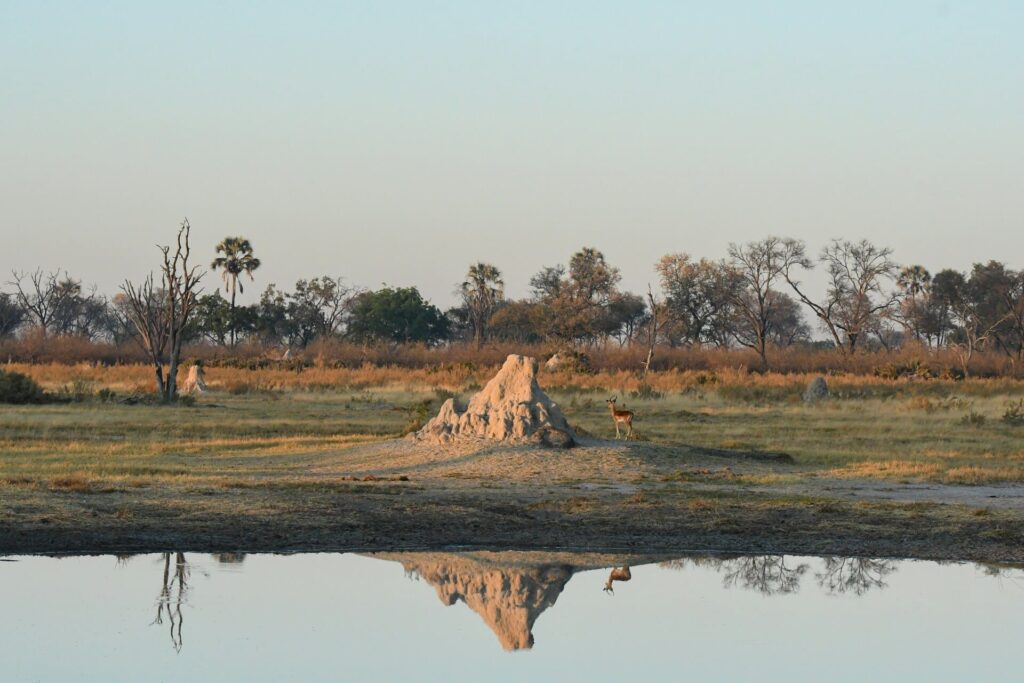
January: Lush, Quiet and Great Value
Weather:
- Hot (often 30–35°C), with afternoon thunderstorms. Mornings usually start clear and fresh.
Landscape & Water:
- Everything is green. Pans and seasonal waterholes are full due to the recent rain. The main Okavango flood has not arrived yet.
Wildlife:
- Lots of young animals: impala, wildebeest, and other plains game with new offspring.
- Excellent birding – migrants, breeding plumage, lots of activity.
- Predators still good, but visibility is reduced by long grass and thick foliage.
Regional notes
Chobe Riverfront:
Elephants disperse inland; riverfront is less crowded with big herds than in the dry season. Great for relaxed game drives and birding by boat.
Savuti:
Often a highlight now. With rain, the Savuti Marsh comes to life, drawing zebra and other plains game. Lion and hyena interactions can be very rewarding.
Moremi:
Beautiful, green, and quiet. Predators are present but you work more for sightings – ideal if you value wilderness feel over “tick lists”.
Okavango Delta:
Water is mainly rain‑fed; some “wet” camps may actually be drier than in winter. Permanent water concessions still offer year‑round mokoro.
Who January suits:
- Photographers who love dramatic skies and lush scenery.
- Repeat visitors who’ve already done a classic dry‑season trip.
- Value‑conscious travellers open to some unpredictability for lower rates.
African Family Safaris planning tip:
In January, if mokoro is important, we deliberately choose permanent water areas (e.g. central/western Delta concessions) rather than relying on seasonal flood levels.
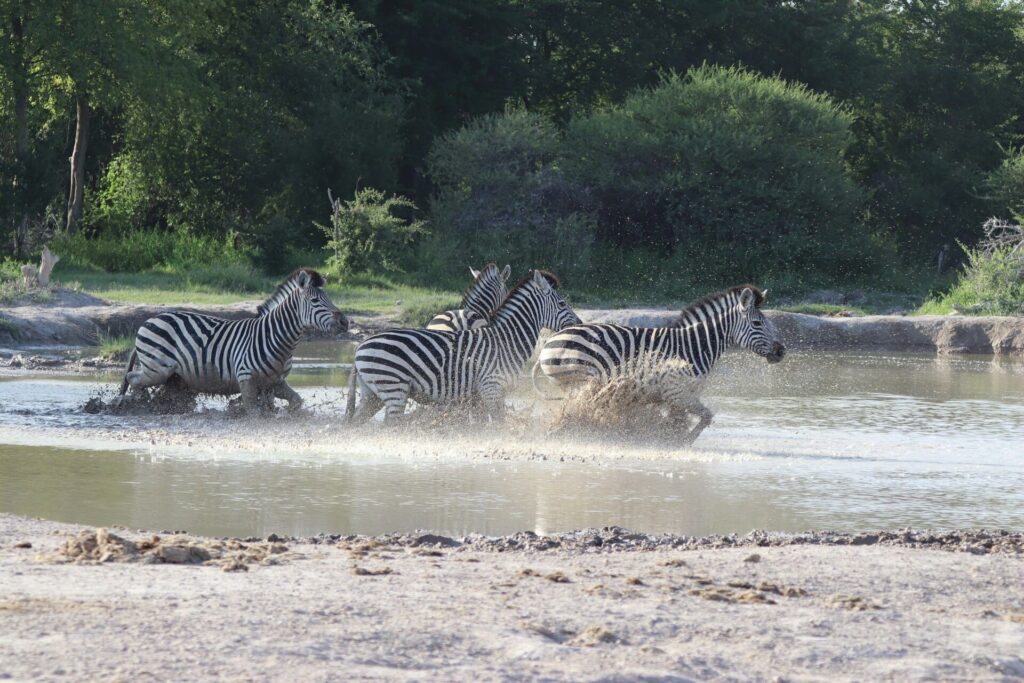
February: Peak Green Season and Superb Birding
Weather:
- Still warm to hot, with thunderstorms, often slightly less frequent towards the end of the month.
Wildlife & Experience:
- Birding is at its best: raptors, waders, and colourful migrants.
- Plenty of newborns and playful young antelope.
- Predators are active, but dense vegetation can make spotting trickier.
Regional notes
Chobe Riverfront:
Quieter on the river than later in the year; excellent birding from the boat, fewer other boats on the water.
Savuti:
Can still be excellent for the zebra migration and predator activity around the marsh.
Moremi & Delta:
Very photogenic – rich greens, reflections, and dramatic clouds. Vehicle movements can be restricted in very wet patches, so lodge choice matters.
Who February suits:
- Keen birders and nature lovers more interested in behaviour and scenery than sheer numbers.
- Photographers looking for colour and atmosphere.
- Couples who enjoy quieter camps.
African Family Safaris planning tip:
We favour camps with strong guiding teams and good vehicles in February.
March: Easing Rains and a Good Transitional Month
Weather:
- Rains taper off, humidity drops slightly, but showers are still possible. Temperatures remain warm.
Wildlife:
- Grass starts to shorten; visibility slowly improves.
- Game begins to concentrate a bit more as some seasonal pans dry out.
- Predators easier to see than in high summer, while landscapes are still green.
Regional notes
Chobe:
Good general game, still without the dry‑season crowds.
Moremi & Okavango:
Often a sweet spot for those wanting a mixture of greenery and increasingly strong predator viewing.
Who March suits:
- First‑timers on a moderate budget who don’t need textbook dry‑season scenes.
- Travellers who dislike the highest heat but want a more colourful landscape than winter.
African Family Safaris planning tip:
We often pair a drier, more open area (such as parts of Chobe or Moremi) with a water‑rich Delta concession in March to balance the experience.
April: Clearer Skies and Comfortable Temperatures
Weather:
- Rains have mostly passed. Days pleasant, evenings starting to cool. Generally clear, with beautiful light.
Wildlife:
- Vegetation still has a green tinge, but visibility improves considerably.
- Animals begin to move towards more permanent water as seasonal sources shrink.
- In some areas, predator viewing becomes consistently strong.
Regional notes
Chobe & Savuti:
Good general game, some early dry‑season dynamics starting. Savuti can be very productive, with fewer vehicles than in peak months.
Moremi:
Very good balance of scenery and sightings – a strong all‑rounder now.
Okavango:
Flood levels still building. Some channels fill earlier than others; water‑based activities may be available in specific concessions.
Who April suits:
- Families with school‑age children (depending on holiday dates) wanting comfortable weather and fewer crowds.
- Travellers who want a bit of everything – reasonable prices, good game viewing, and some greenery.
African Family Safaris planning tip:
If you want water‑based activities and good land‑based game drives in April, we often suggest a mixed‑habitat concession rather than a very remote, ultra‑wet camp that relies on later floodwaters.
May: Start of the Classic Season
Weather:
- Cooler mornings and evenings, pleasant days. Little or no rain. Bring layers for early and late drives.
Wildlife:
- Grass noticeably shorter, bush more open.
- Animals are starting to concentrate near permanent rivers and lagoons.
- Predator viewing becomes more predictable.
Regional notes
Chobe Riverfront:
Elephant numbers building, though not yet at peak density. Good boat and vehicle combination.
Savuti:
Can be excellent now – open landscapes, good predator density.
Moremi:
Very strong game viewing; fewer vehicles than height of winter.
Okavango Delta:
Floods typically arriving or rising – some camps become prime mokoro and boating destinations.
Who May suits:
- First‑time safari travellers wanting a “proper” safari feel with manageable prices.
- Photographers who want clear skies and strong game without the dust and intensity of later dry season.
African Family Safaris planning tip:
For May, we often design 3‑stop itineraries:
- One Chobe or Savuti (for elephants and big open spaces),
- One Moremi (land‑based cats and general game),
- One Delta camp (mokoro/boating, if water levels allow), to showcase Botswana’s variety.
June: Peak Viewing Begins, Floods High in the Delta
Weather:
- Cool mornings (you’ll want a jacket, hat, and gloves on game drives), crisp days, almost no rain.
Wildlife:
- Classic dry‑season dynamics: thinning vegetation, more predictable game around water.
- Predator sightings are very consistent.
Regional notes
Chobe Riverfront:
Large elephant and buffalo herds increasingly visible; iconic sunset boat cruises on the river.
Savuti:
Strong predator interactions; open country good for cheetah and large lion prides.
Moremi:
One of the best times – strong cats, excellent general game, great light for photography.
Okavango Delta:
Flood is usually well established. Many camps offer premium mokoro and boating experiences now.
Who June suits:
- Families with older children/teens – cooler weather is easier for full‑day activities.
- Photographers and wildlife enthusiasts who want a high chance of big sightings.
African Family Safaris planning tip:
June is when differences between wet vs dry concessions in the Delta really matter. We often pair one water‑based camp with one land‑heavy camp to avoid spending your whole trip in a boat or, conversely, never getting on the water.
July: High Season for a Reason
Weather:
- Cool to cold nights and early mornings; clear blue skies, comfortable daytime temperatures.
Wildlife:
- Peak dry‑season viewing: animals highly concentrated along rivers and remaining waterholes.
- Huge elephant herds in Chobe, excellent predator viewing in most prime areas.
Regional notes
Chobe Riverfront:
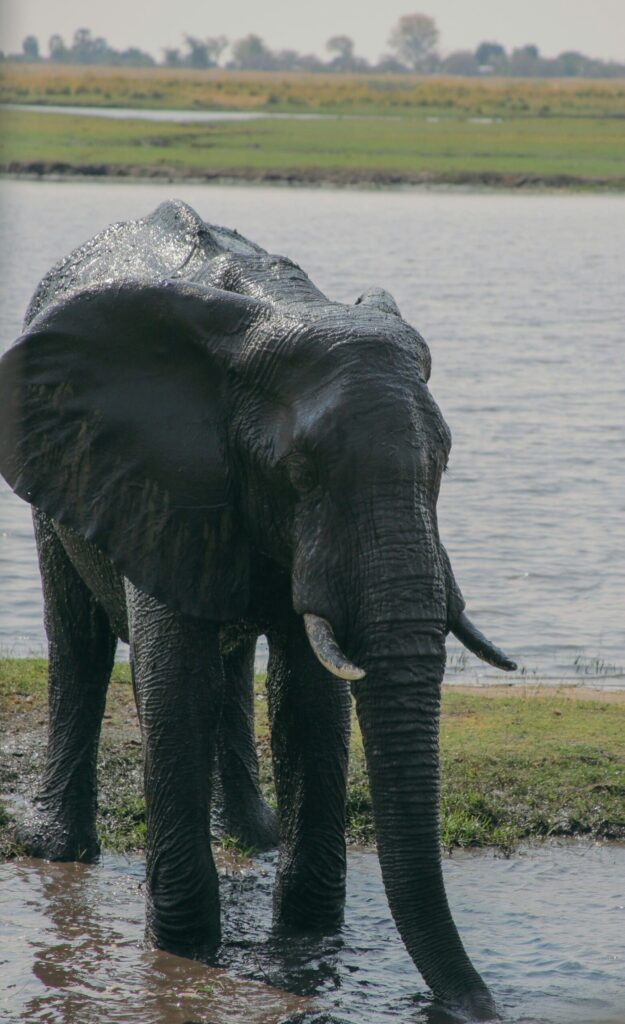
- Famous elephant numbers, especially in afternoons along the river.
- Boat trips offer close, low‑angle views of elephants crossing or drinking.
Savuti:
Often superb for lions, hyena clans, and sometimes wild dogs moving through.
Moremi:
Outstanding all‑round game viewing.
Okavango Delta:
Delta is at or near peak flood. Mokoro channels are full, lagoons wide, islands accessible by boat.
Who July suits:
- First‑timers who want the highest probability of “wow” sightings.
- Families with robust kids/teens happy with early, chilly starts.
- Serious photographers focussed on predators and elephants.
African Family Safaris planning tip:
We often recommend:
- Splitting time between one well‑known area and one lesser‑known concession.
- Booking at least a year ahead for prime family rooms and interconnecting suites.
August: Dry, Predictable, and Popular
Weather:
- Similar to July, sometimes slightly warmer days, still cold mornings and nights.
Wildlife:
- Very reliable game viewing across core areas; minimal vegetation, high visibility.
- Large congregations at permanent water sources.
Regional notes
Chobe & Savuti:
At their most famous: huge elephant and buffalo herds; predator action along the river and marsh.
Moremi:
Very strong for cats, elephants, and general plains game.
Okavango Delta:
Still excellent for both water and land activities, depending on camp.
Who August suits:
- Similar to July: families, first‑timers, and photographers, especially those tied to school holidays.
African Family Safaris planning tip:
With families, we look for lodges with flexible mealtimes, shorter transfer times, and kid‑friendly guides in August when days are full and game drives can be longer. Not every “luxury” camp is genuinely child‑friendly.
September: Hotter, Intense Game Viewing
Weather:
- Days begin to heat up (often over 30°C), nights still cool but not cold. Still dry.
Regional notes
Chobe Riverfront:
Elephant concentrations at their most dramatic.
Savuti:
Dry landscapes – excellent visibility and raw predator–prey interactions.
Moremi:
High density of general game; predators reliably found on daily drives.
Okavango Delta:
Floodwaters slowly receding, but water‑based activities still strong in many areas.
Who September suits:
- Photographers.
African Family Safaris planning tip:
In September, we pay close attention to camp layout and shade. Well‑designed main areas, plunge pools, and air‑circulation (or air‑con where available) make a big difference to midday comfort.
October: Peak Game Viewing Before the Rains
Weather:
- Build‑up to the first rains.
Wildlife:
- Game concentrations at their absolute peak around water.
- Some of the most dramatic predator action of the year.
Regional notes
Chobe:
Iconic for sheer volume of animals at the river.
Savuti & Moremi:
Amazing visibility and serious predator action.
Okavango Delta:
Water levels receding; some channels dry up, others remain usable. Good time for a mix of boating, mokoro (in the right areas), and strong land‑based game.
Who October suits:
- Wildlife enthusiasts and photographers.
- Repeat visitors looking for something different.
African Family Safaris planning tip:
We strongly favour camps with pools, shade, and efficient cooling in rooms in October.
November: First Rains and Fresh Green
Weather:
- First proper thunderstorms usually arrive sometime in November (though timing varies by year).
Wildlife:
- Before the rains: still dry‑season style viewing.
- After the first rains: spectacular lightning, fresh green shoots. Calving starts for many species.
Regional notes
Chobe:
Elephant herds begin to disperse as water becomes available inland.
Savuti & Moremi:
Very dynamic – early storms, lush patches, and plenty of newborns appearing from late November.
Okavango Delta:
Still good for game; shifting slowly toward green‑season feel.
Who November suits:
- Travellers who can be flexible. Early November = more like October; late November = more like December.
- Photographers who want stormy skies and transition scenes.
African Family Safaris planning tip:
We always ask clients how they feel about unpredictability. November is a “shoulder” month: brilliant if you’re relaxed about whether you get late dry‑season or early green‑season conditions.
December: Full Green Season Begins
Weather:
- Warm to hot, with regular thunderstorms, usually in late afternoon or night. Mornings often clear and bright.
Wildlife:
- Lush landscapes, lots of newborn antelope.
- Birdlife excellent; many summer migrants in.
- Game more dispersed than in peak dry season but still very rewarding with good guiding.
Regional notes
Chobe & Savuti:
Beginning of the green‑season shift. Savuti can again see movements of migratory zebra and other plains game.
Moremi & Okavango Delta:
Beautifully green, fewer visitors, great atmosphere, especially for those who’ve only seen Botswana in winter.
Who December suits:
- Families travelling over Christmas/New Year who understand it’s not classic “dry‑season Botswana” but want warmth, pool time, and a lush setting.
- Birders and photographers who love big skies and colour.
African Family Safaris planning tip:
For December family trips, we prefer lodges with pools, shaded play areas, and flexible activity schedules.
To pull it together:
Best Time to Visit Chobe National Park and Savuti
- Best for classic elephant and big‑herd viewing: June–October
- Best for dramatic dry-season sightings: September and October
- Best for birding, better value and a quieter green-season safari: December to March
If elephants, riverfront game viewing and boat safaris are high on your list, explore our Chobe National Park safaris page for more destination guidance.
Recommended Lodge
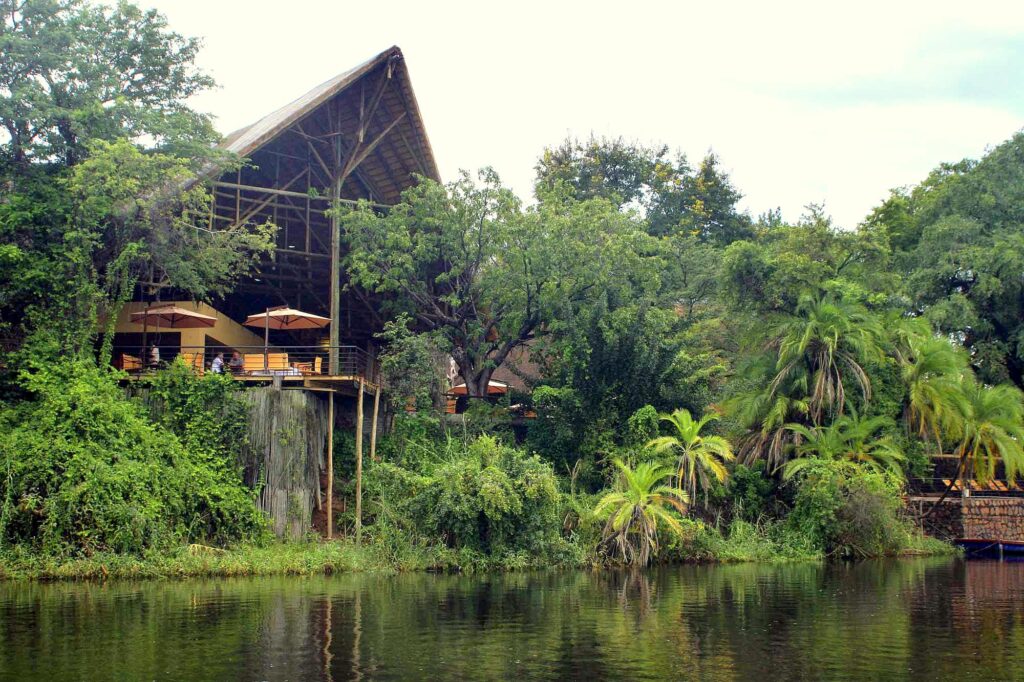
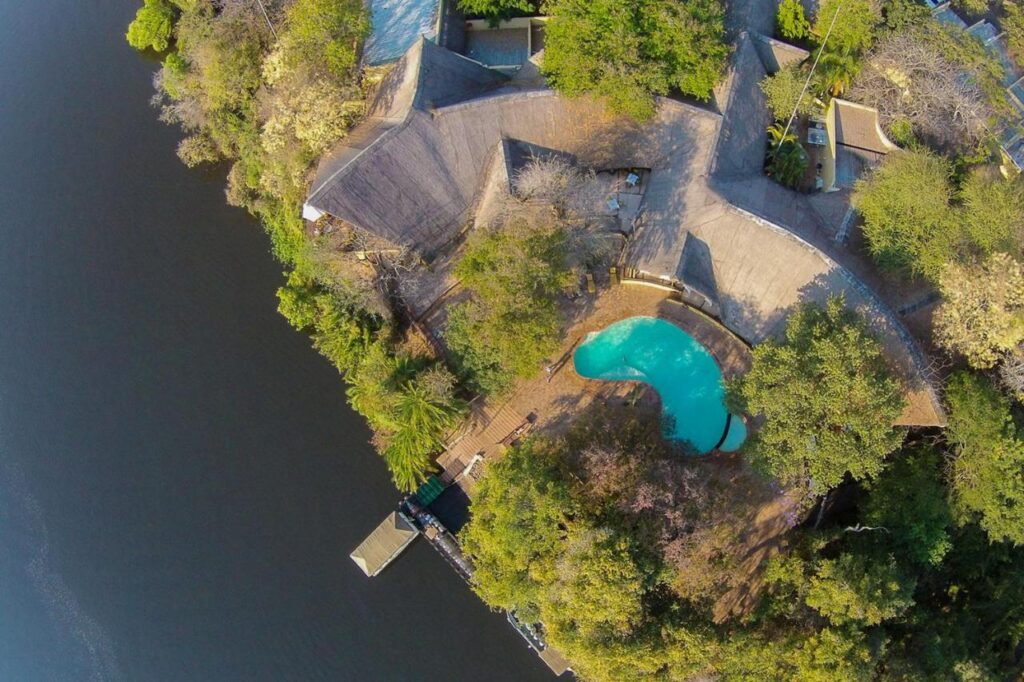
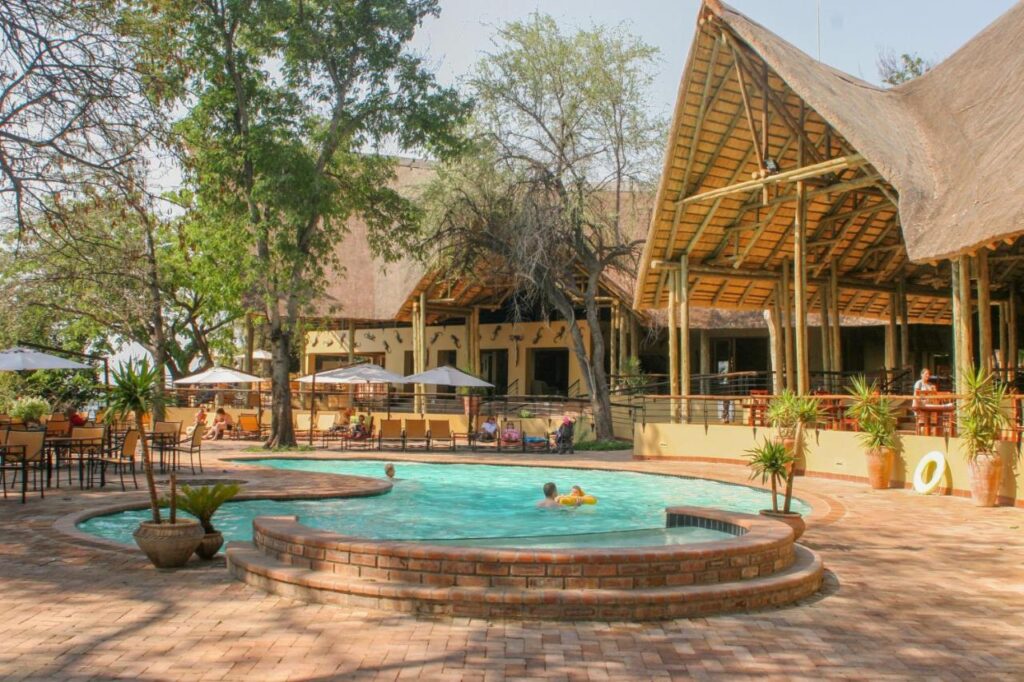
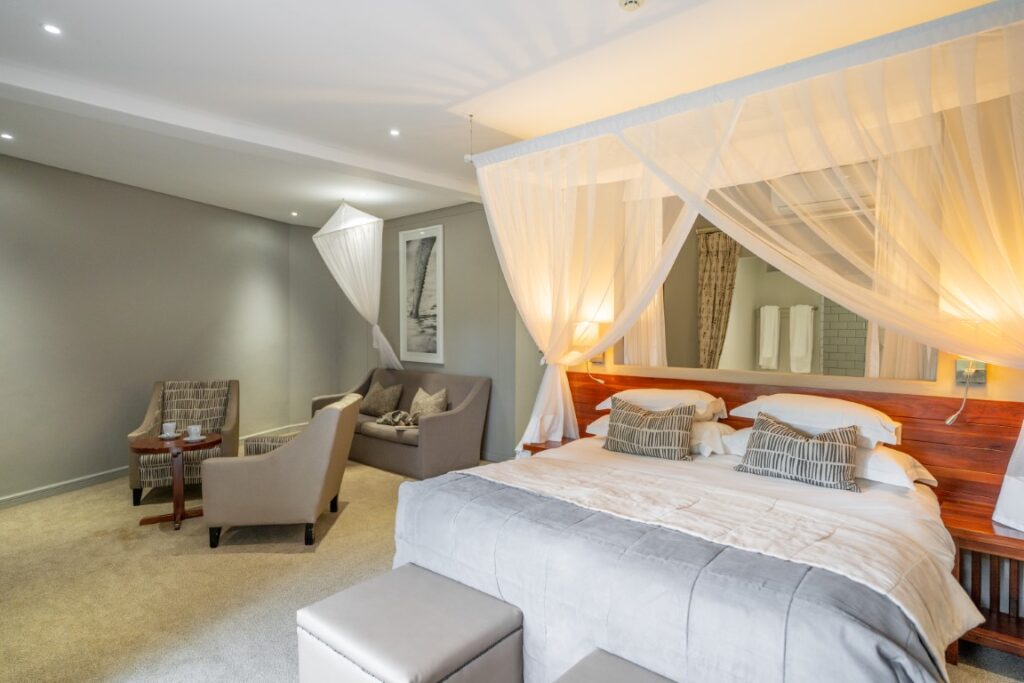

Chobe Safari Lodge
Travellers love: Game drives | Boat cruises | Scenic flights | Victoria Falls day trip | Birdwatching
Recommended Lodge

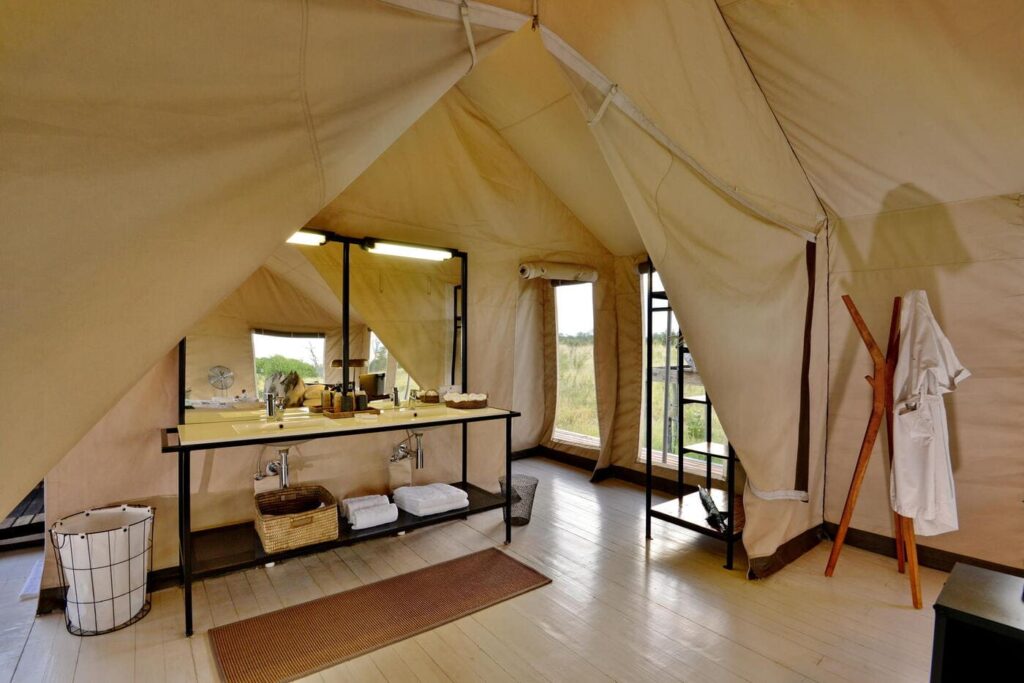


Nogatsaa Pans
Travellers love: Birdwatching | Game drives | Stargazing | Scenic sundowners | Raised hide viewing
Recommended Tour


Botswana Safari Package
5 Days | 2 lodges | Game drives & bush walks | Boat cruises along Chobe River | Mokoro safaris
Best time to visit Moremi Game Reserve
- Strong all‑round game viewing: May–October.
- Beautiful green landscapes and fewer vehicles: December–April.
Recommended Lodge
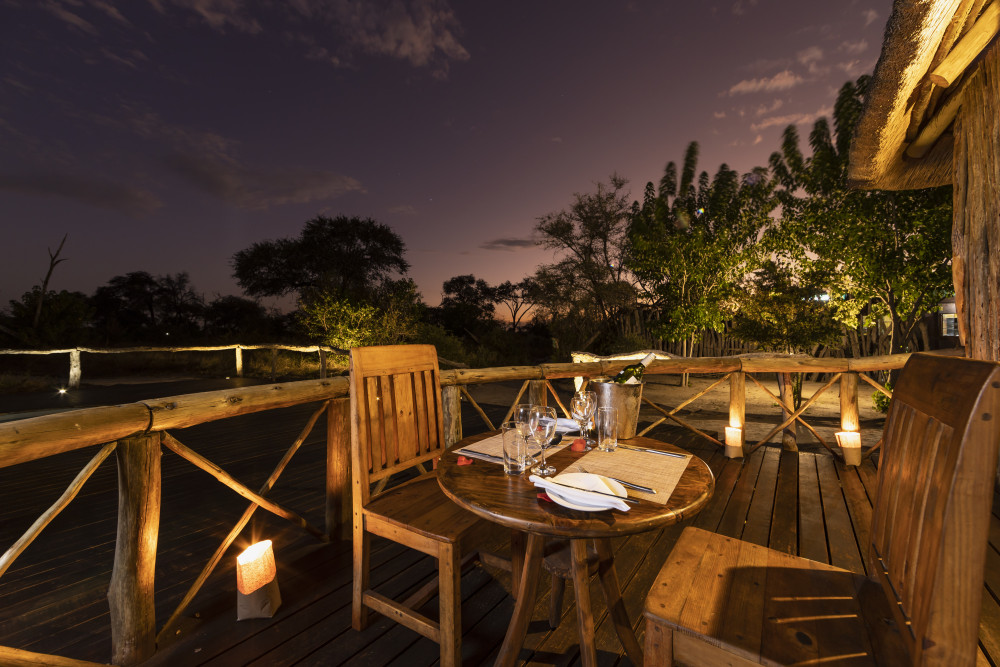
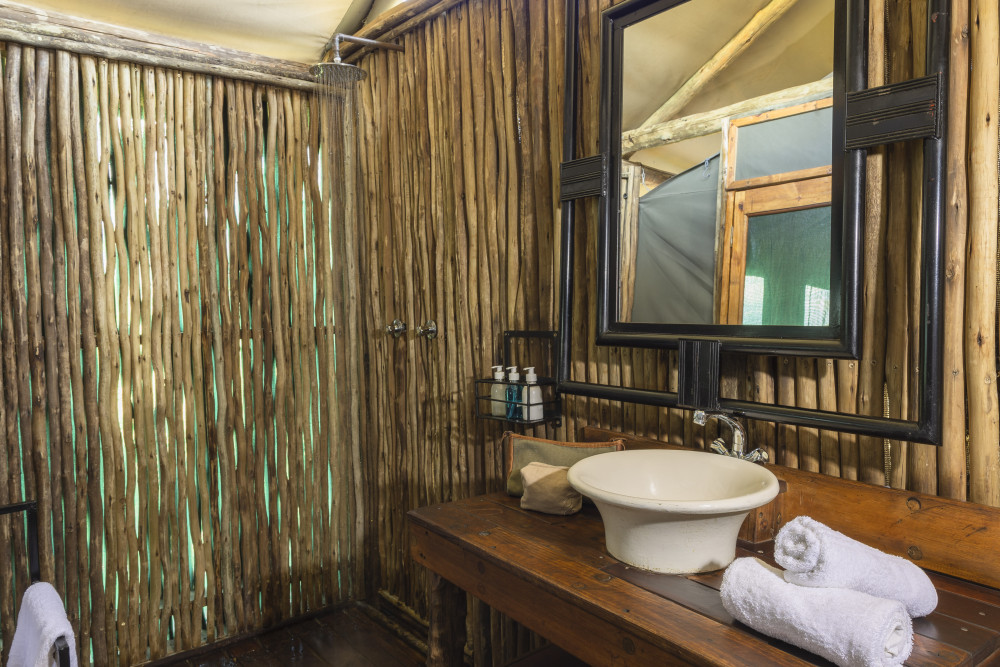
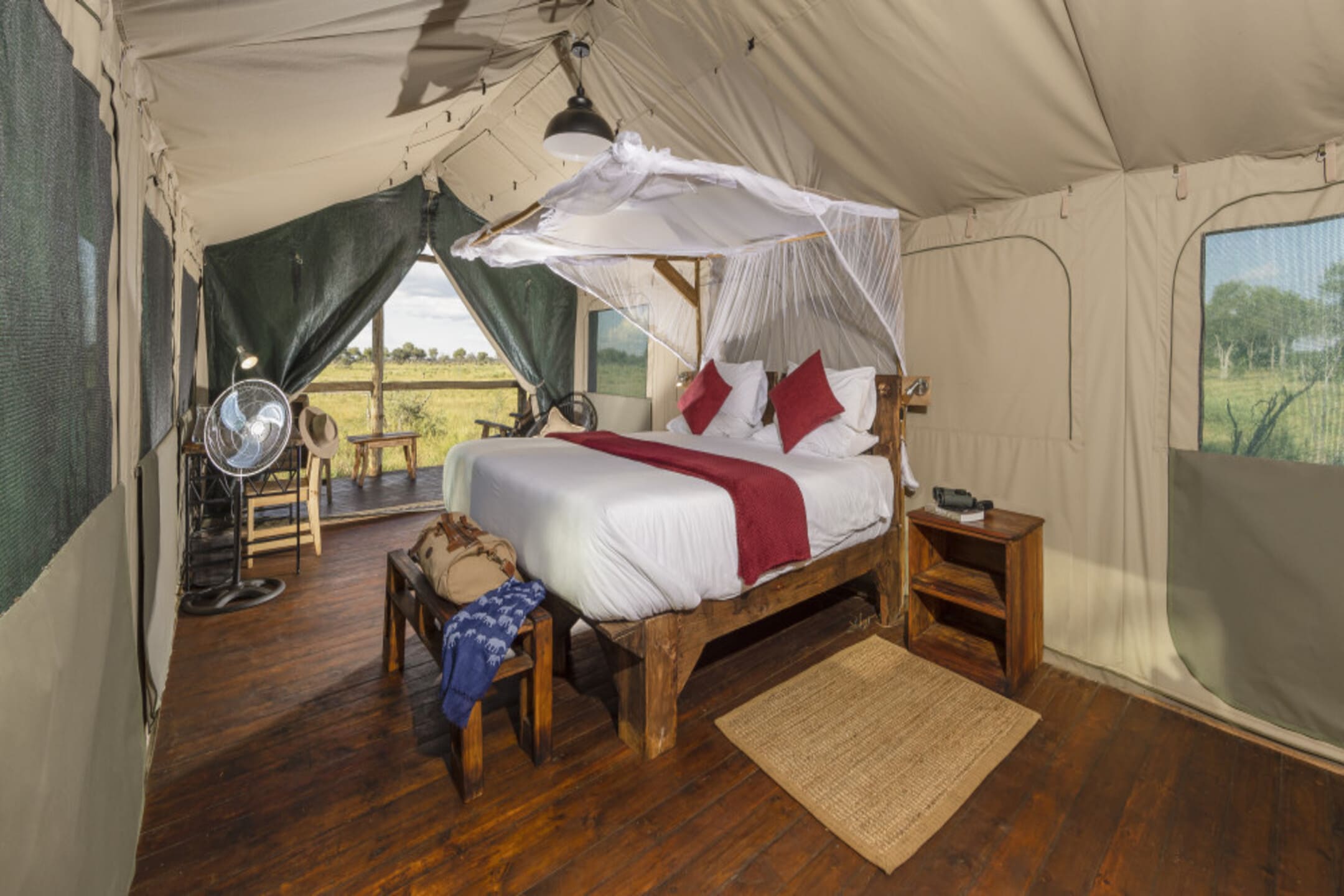
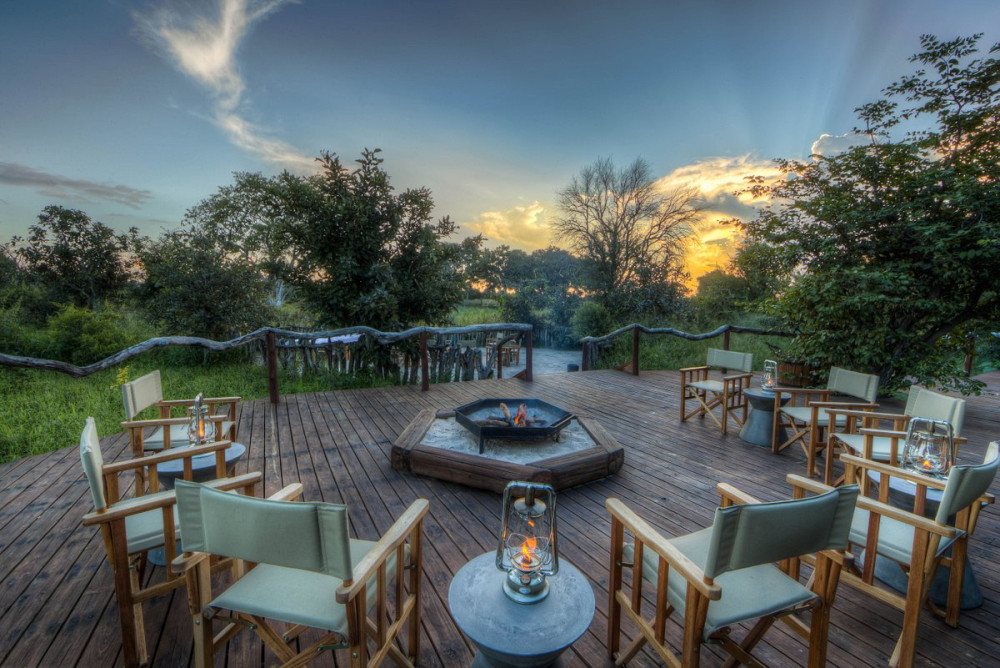
Mogogelo Camp
Travellers love: Game drives | Mokoro trips | Scenic sundowners | Guided bush walks
Recommended Lodge

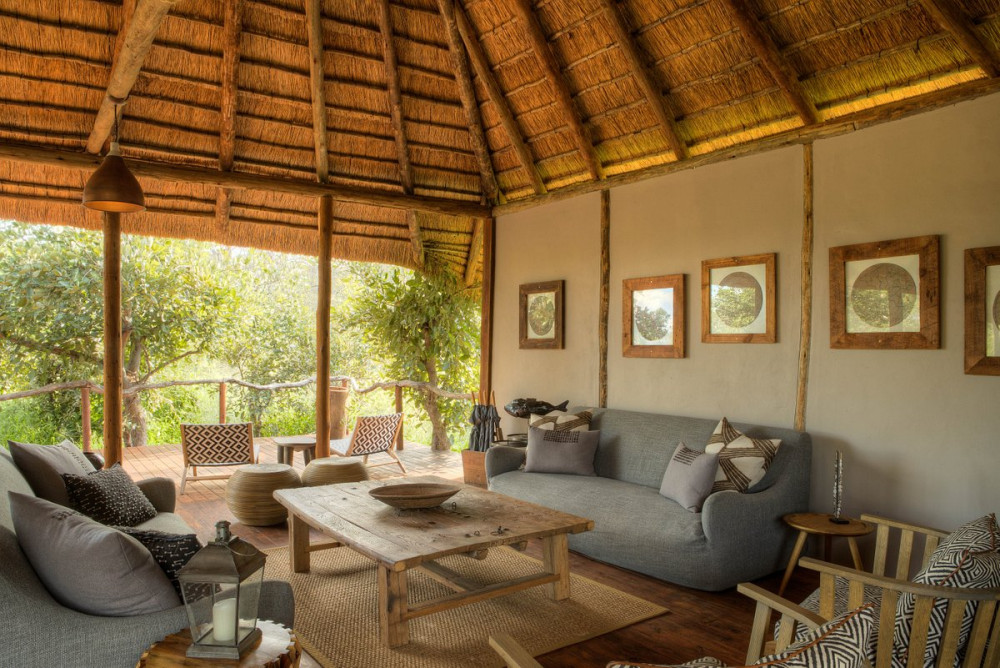
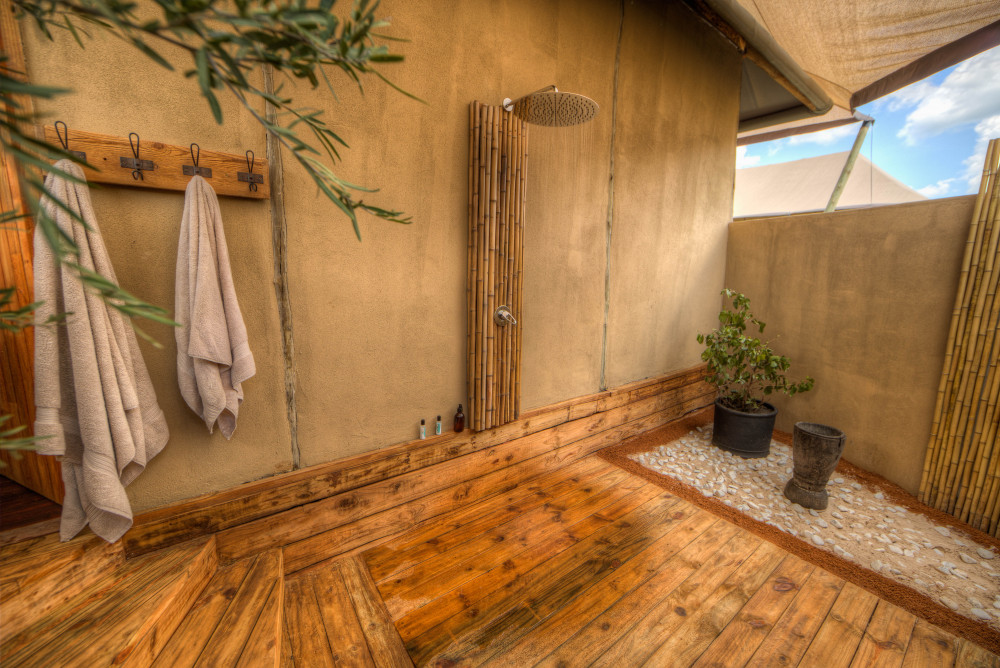
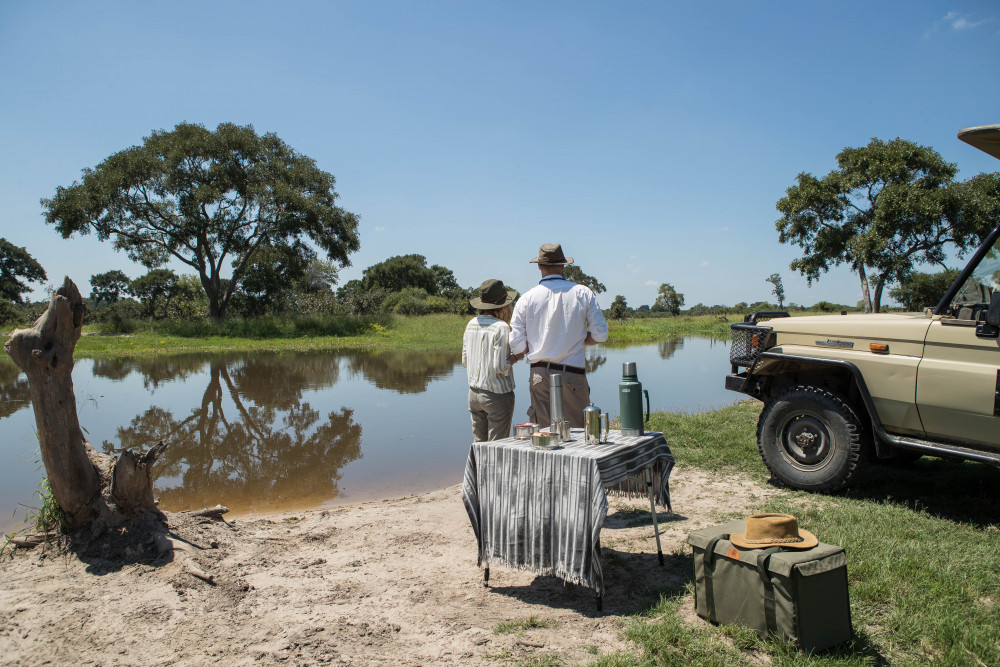
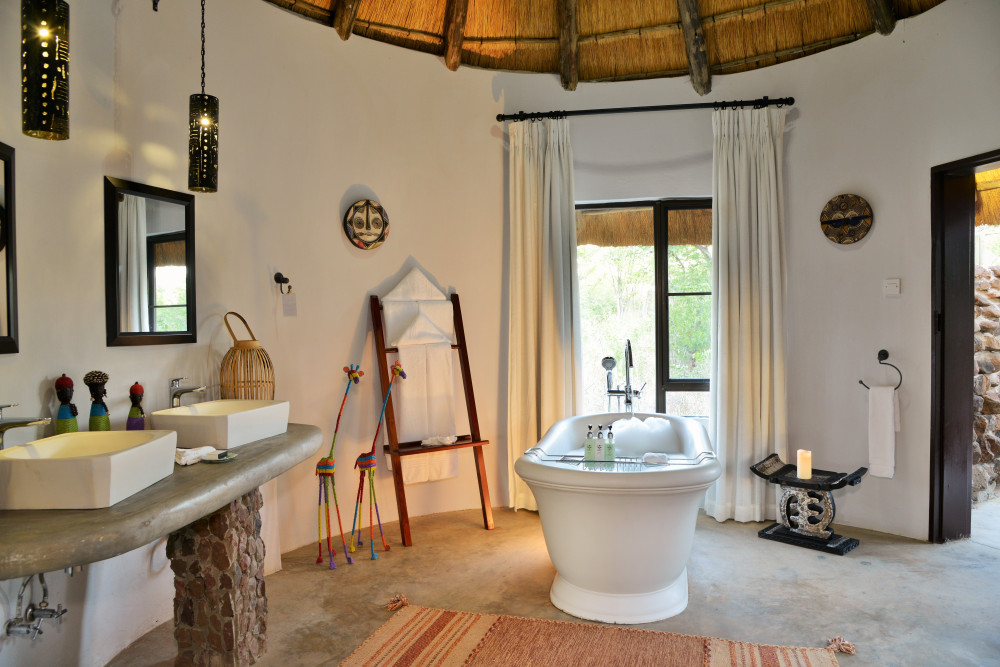
Nokanyana Lodge
Travellers love: Game drives | Birdwatching | Mokoro excursions | Cultural visits | Guided walks
Recommended Tour
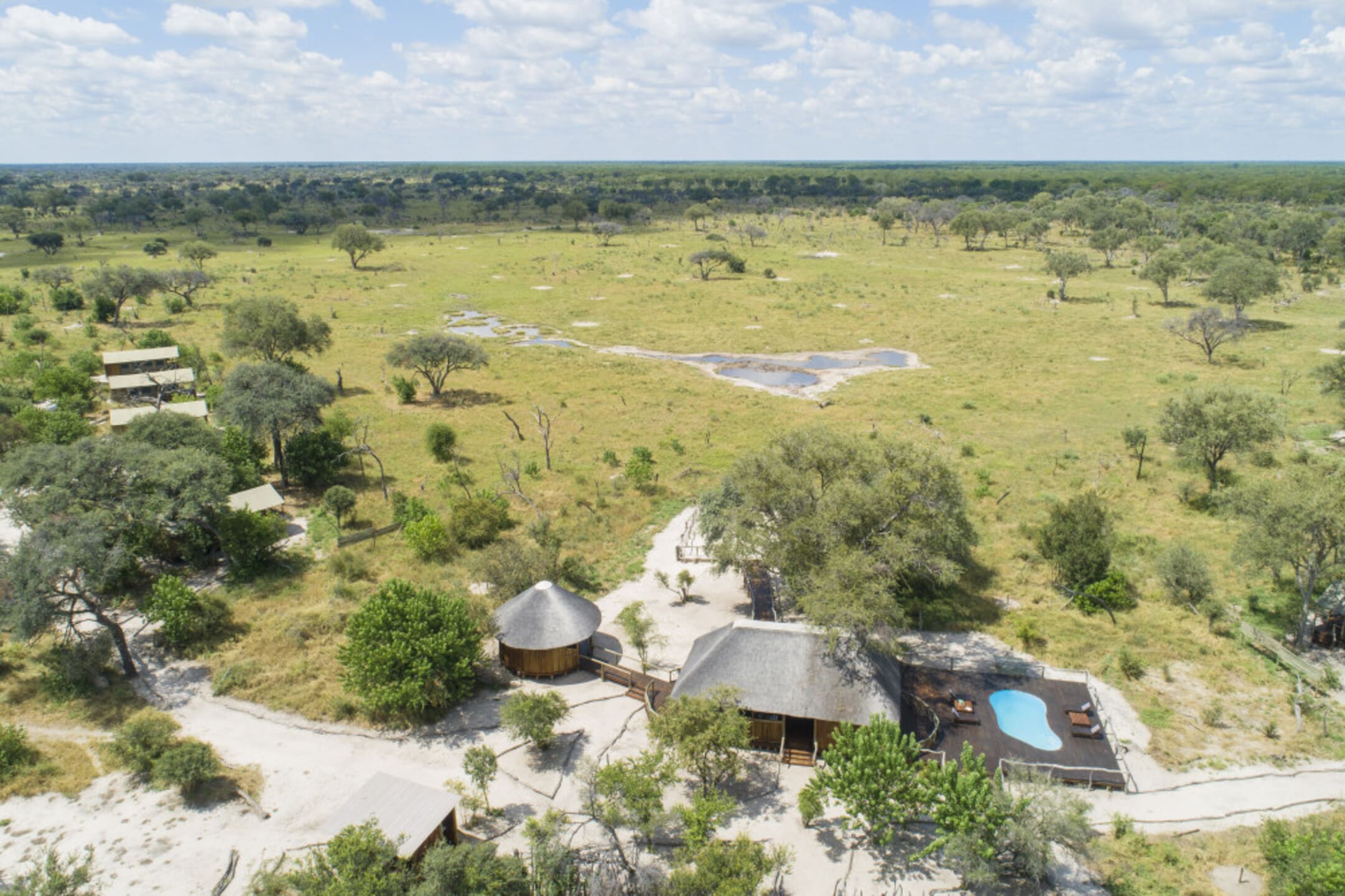
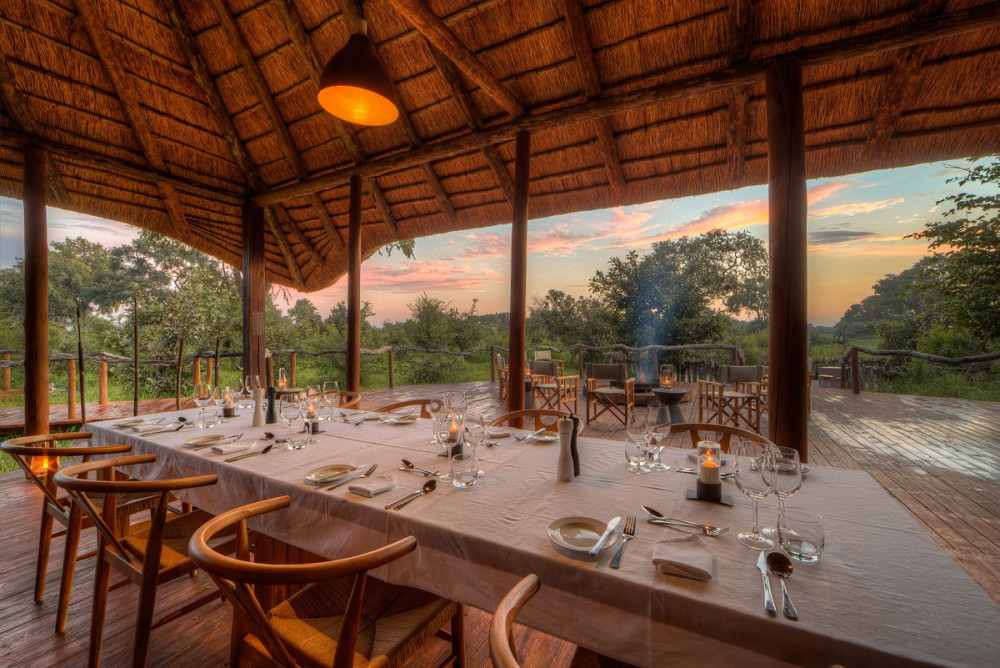
Botswana Highlights All Inclusive
10 Days | 3 lodges | Game drives | Water & land based safaris
Best Time to Visit the Okavango Delta by Concession Type
Permanent-water or very wet concessions:
- Reliable mokoro and boating activities for much of the year
- Peak water levels usually around June to August
- Best for travellers who specifically want a water-based Delta experience
For ideas on lodges, activities and ways to combine the Delta with Chobe, Moremi or other Botswana safari areas, explore our Okavango Delta safari packages.
Mixed or seasonal‑water concessions:
- Best land-and-water combination typically from May to August
- April and September can be excellent shoulder months if water levels and camp location align
- Better suited to travellers wanting a balance of game drives, mokoro, boating and general wildlife viewing
When we design an itinerary, we usually combine:
- One Chobe or Savuti stop,
- One Moremi or Khwai‑area stop,
- One Delta concession tailored to how much water vs land you want, and we adjust the order depending on your travel month and flight/transfer logistics.
You can also browse our Botswana safari packages to see how these regions are commonly combined.
Recommended Lodge


Rra Dinare
Travellers love: Game drives | Night drives | Mokoro trips on the Delta | Consistent game viewing
Recommended Lodge
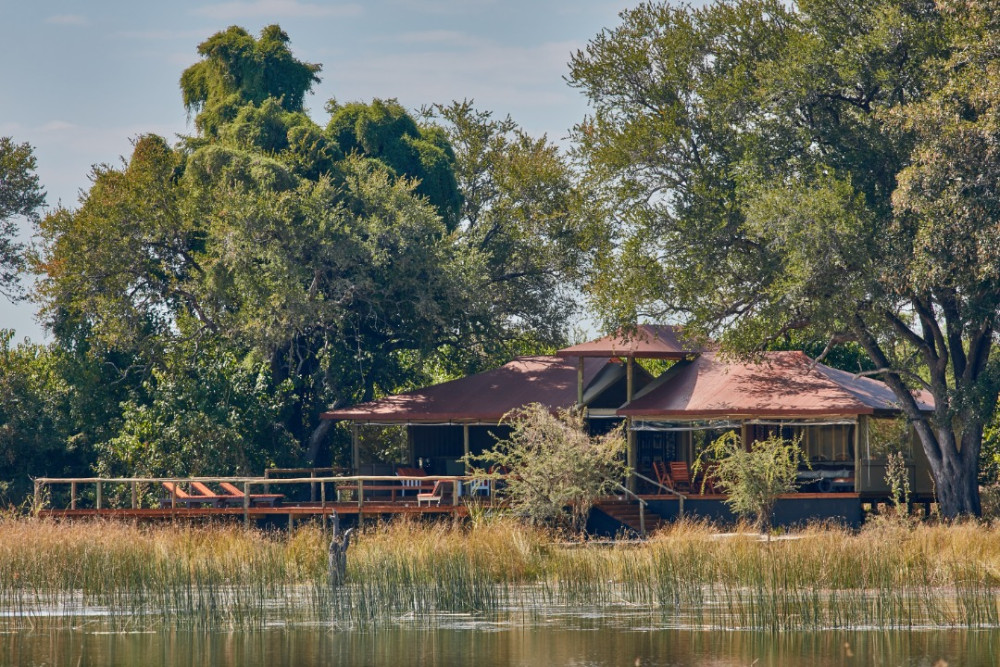
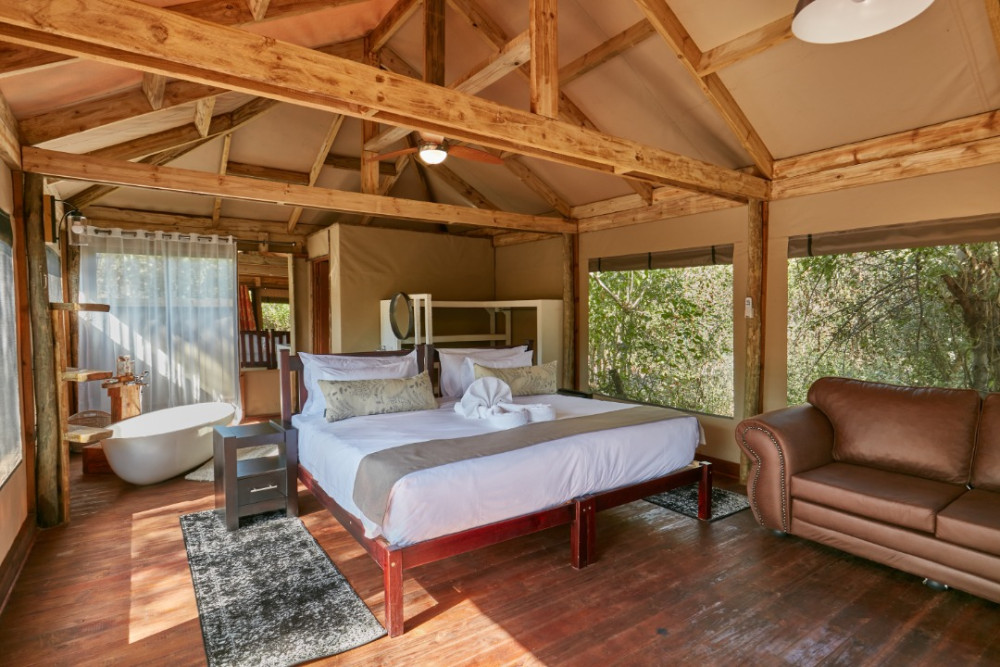
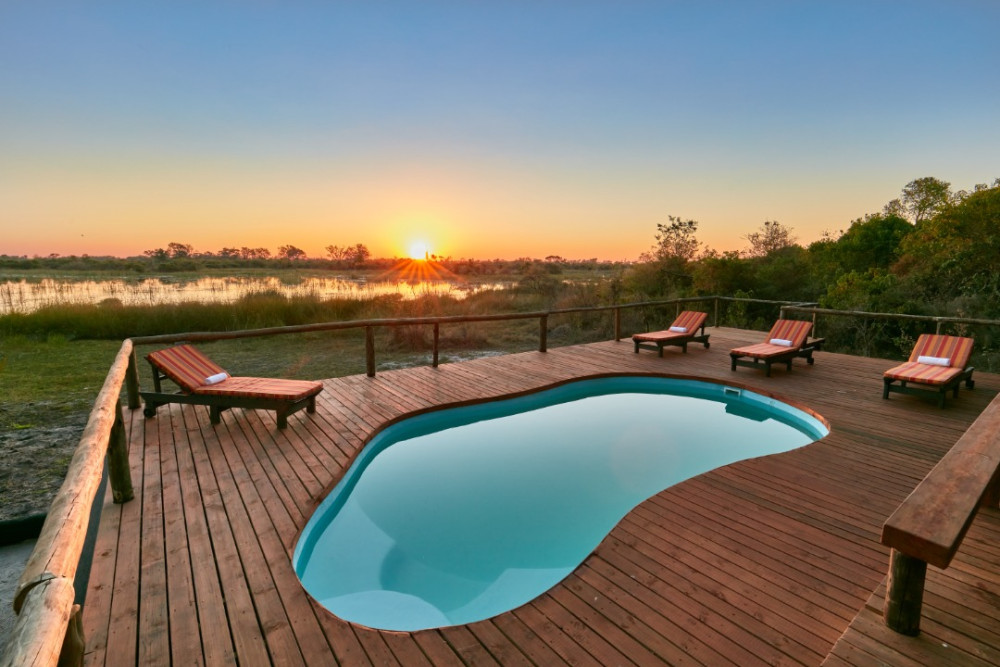
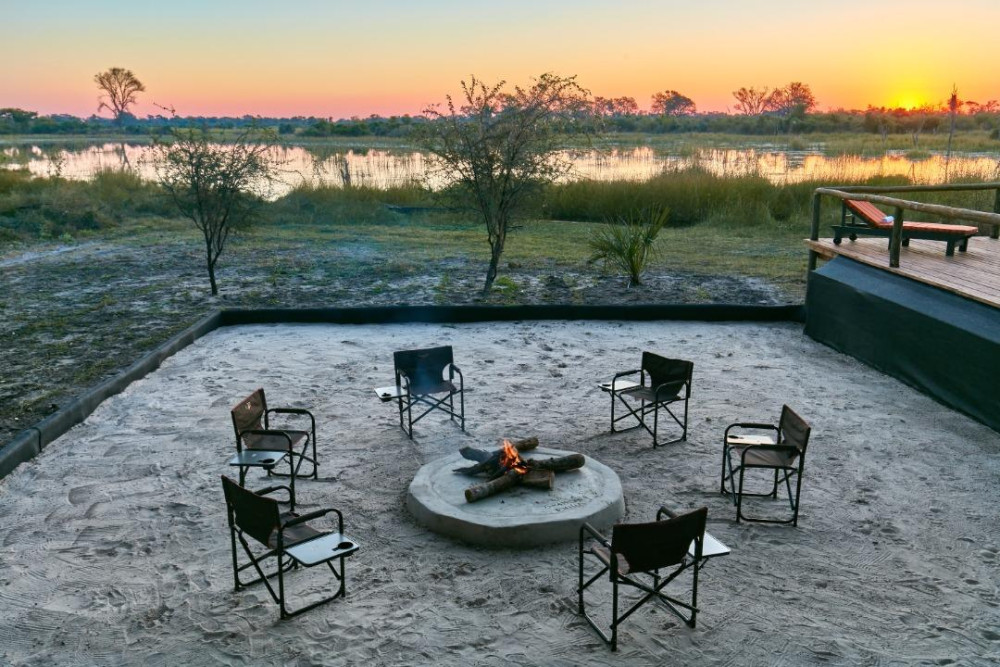
Xaoo Safari Lodge
Travellers love: Eco-friendly lodge | Family-friendly | Guided walking safaris | Mokoro excursions
Recommended Tour


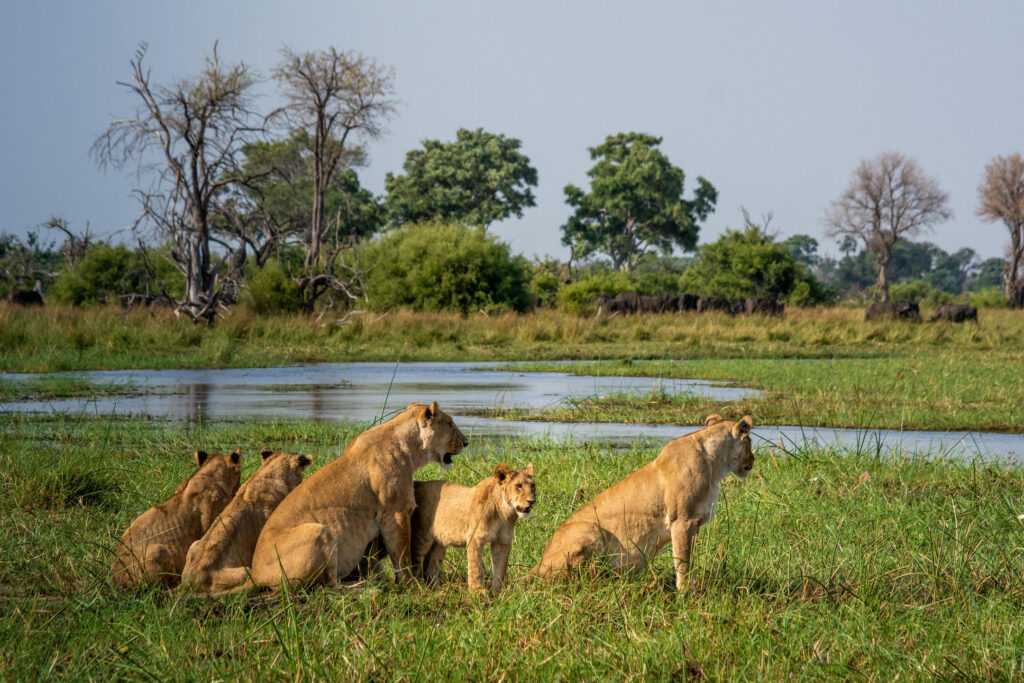
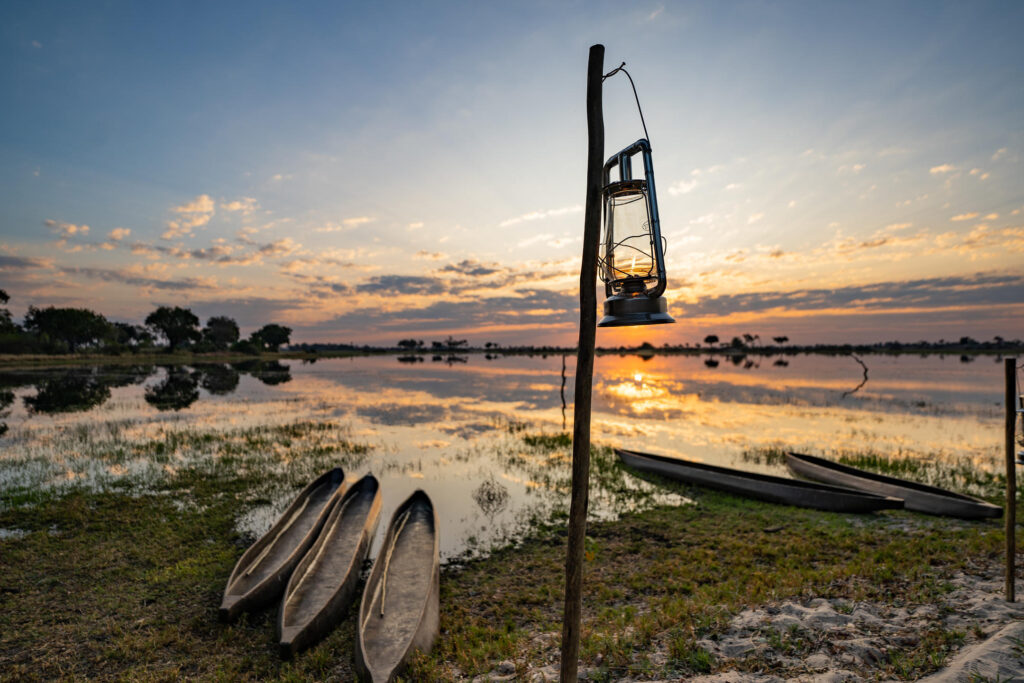
Botswana Okavango Delta Package
5 Days | Game drives | Night-time tracking | Mokoro trips & boat cruises
Families with young children (under ~10):
- Favour April–June or late August–early September for comfortable weather.
- Aim for camps with family tents, swimming pools, and flexible activities (some offer shorter “bush bumbles” instead of full 3–4 hour drives).
Families with teens:
- June–August for active, full‑day adventure (walking where allowed, boating, longer drives).
- Consider pairing a classic wildlife area with a more remote Delta concession for variety.
Serious photographers:
- June–October for predictable big game and predators.
- January–March for dramatic weather, green landscapes, and birds.
First‑time safari‑goers:
- May–September for the most reliable, “this is what I imagined” viewing.
- If budget is tight, April or early November can be strong compromises.
If budget is an important part of your planning, read our Botswana Safari Costs Guide for typical price ranges, seasonal cost differences and tips for getting better value from your itinerary.
Repeat visitors:
- Green season (Dec–March) to see a completely different side of Botswana – quieter, softer light, and more emphasis on atmosphere and behaviour than pure density.
If you’re still deciding which regions to include, our guide to the best safaris in Botswana can help you compare Okavango, Chobe, Moremi and other safari areas.
Not really. Botswana can be rewarding year-round, but some months are better suited to specific travellers, regions and priorities. The dry season is best for classic game viewing, while the green season is better for birding, lush scenery, fewer crowds and better value.
For classic game viewing, the best time to visit Botswana for safari is usually May to October, when conditions are dry and wildlife gathers around rivers, lagoons and permanent water sources. November to March is better for birding, green landscapes, fewer crowds and better value.
It depends on the Okavango Delta concession and whether the camp has permanent or seasonal water. Some areas offer mokoro activities for much of the year, while others depend on flood levels. We always check the typical water patterns for the specific camp, not just the countrywide average.
It depends on their ages and travel style. African Family Safaris & Tours can tailor your itinerary with child-friendly guides, flexible camps, shorter drives or mid-morning activities, and logical routing to reduce long transfers.
For July to September, especially when travelling with children, booking 12–18 months in advance is ideal. This gives you the best chance of securing family-friendly rooms, interleading suites and the right mix of camps.
Ready to Plan Your Botswana Safari?
If you’d like help choosing the best month and route for your Botswana safari, African Family Safaris & Tours can tailor your itinerary around your family’s ages, interests, and preferred travel dates, then match you to the right regions, concessions, and lodges for the time of year you’ll actually be there.
Meet the Author

Gareth turner
Product & sales manager
Gareth has over 20 years of experience, with a strong background in safari planning, destination management and creating memorable African travel experiences. He has a particular passion for wildlife, nature and helping travellers discover the diversity of Southern Africa.