
 South Africa
 Botswana
 Namibia
 Kenya
Kenya Morocco
 Mozambique
 Tanzania
 Zanzibar
 Zambia
 Zimbabwe
 View All Safaris
Family Safari Planning
Family Safaris & Family Travel in Africa
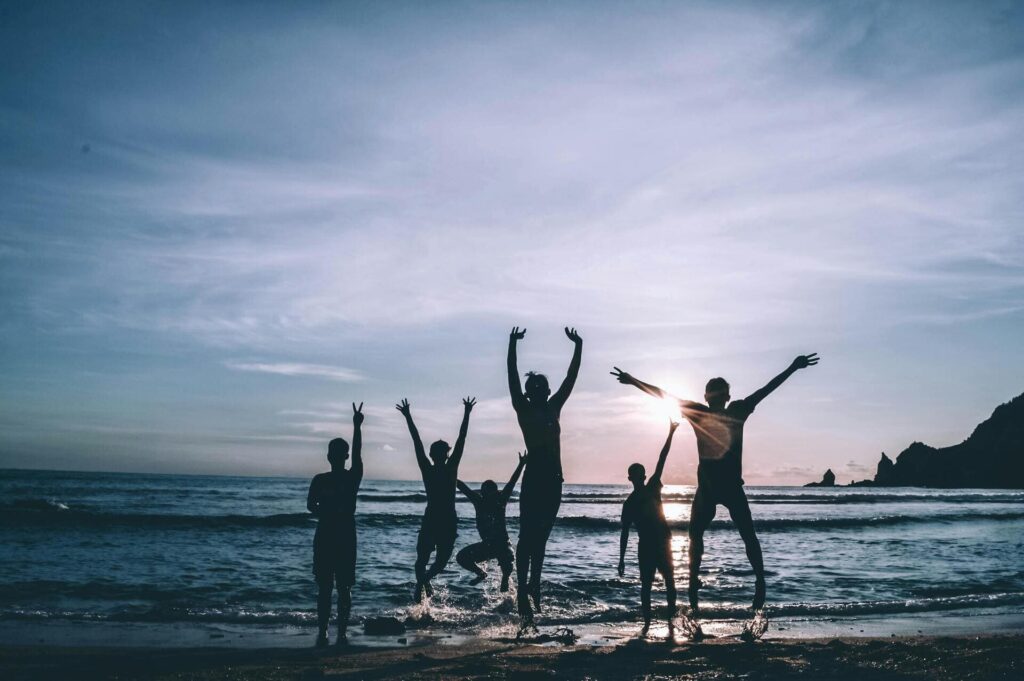

Taking children to Africa might sound adventurous, but it’s one of the most rewarding family trips you can plan. Wildlife, wide-open spaces, and rich cultures create the kind of memories that stay with kids for life.
This family-friendly safari guide walks through how to choose a destination, when to go, how to keep everyone safe and comfortable, and how to make the trip fun for children of different ages.
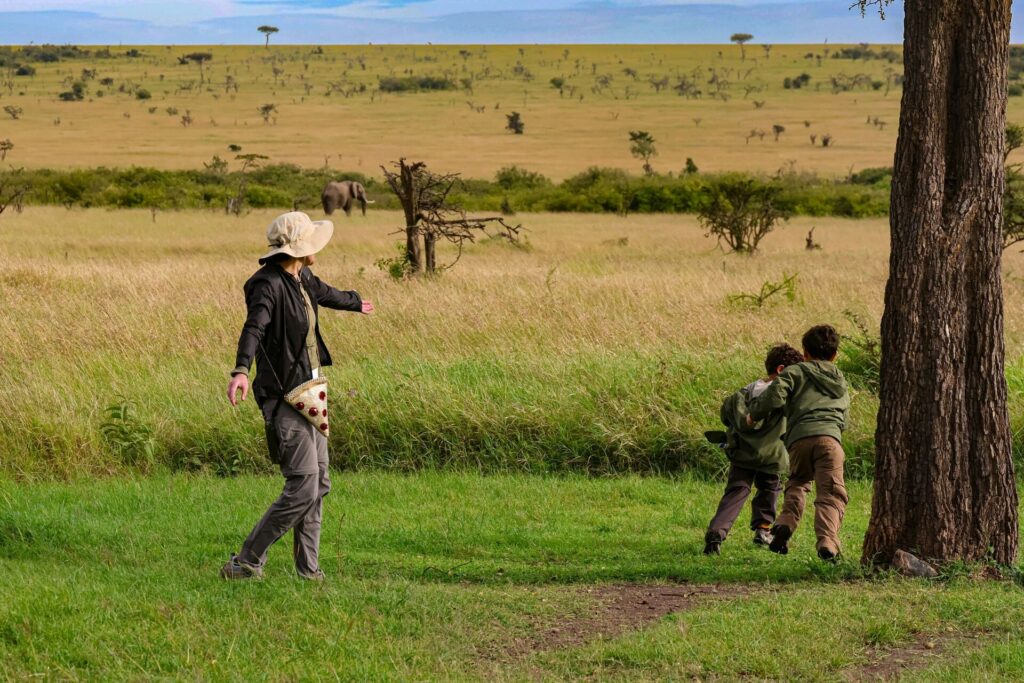
Living classroom
Game drives turn into real-life lessons in biology, geography, and conservation. Seeing elephants, lions, and giraffes up close is far more powerful than any textbook.
Real time together
There’s limited Wi‑Fi in many safari areas, which means fewer screens and more shared experiences: campfires, stargazing, and talking about the day’s sightings.
Welcoming to kids
Many lodges and camps actively cater to families with kids’ menus, earlier meal times, family rooms, and simple nature activities for children.
Cultural experiences
Visits to villages, markets, or community projects introduce kids to different ways of living and broaden their perspective on the world.
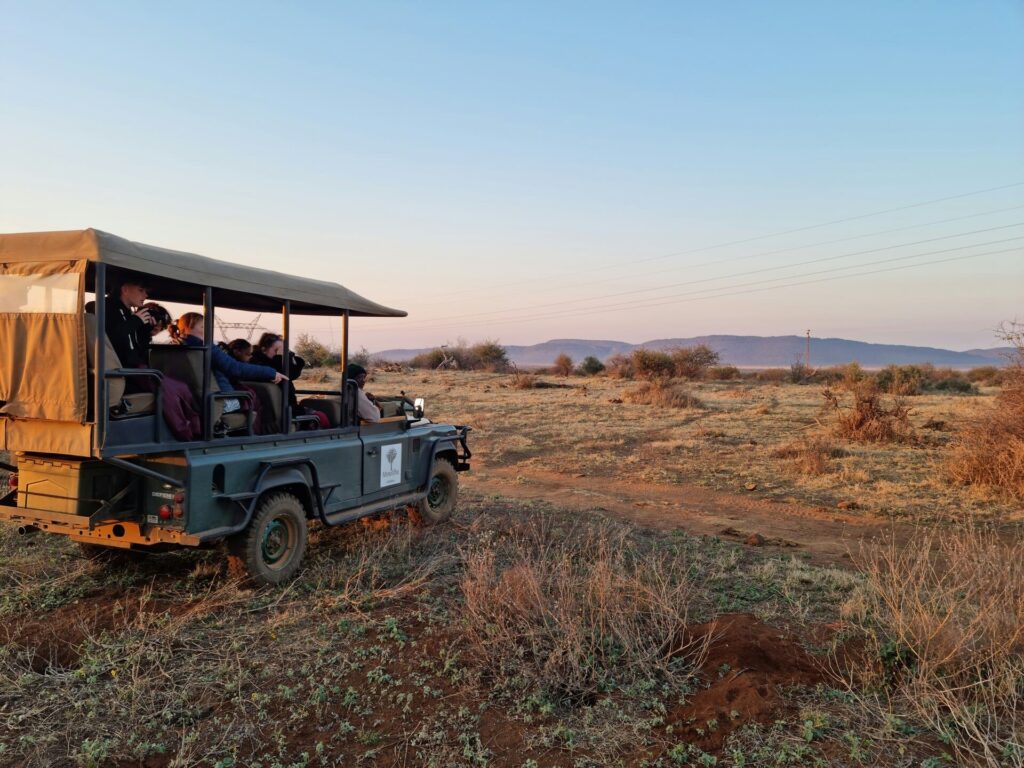
1. South Africa: Simple and Flexible
South Africa is often the easiest starting point for family safaris.
Why is it good for families?
- Several malaria-free reserves (ideal with younger children)
- Good roads and infrastructure
- Easy to combine wildlife, city, and coast in one trip.
Ideas for families
- Malaria-free reserves like those in the Waterberg or near Port Elizabeth
- A few days in Cape Town: penguins at Boulders Beach, Table Mountain, and a waterfront aquarium
- A self-drive along the Garden Route for beaches and small towns
- Best for: First-time safari-goers and families with younger kids.
Recommended Lodge
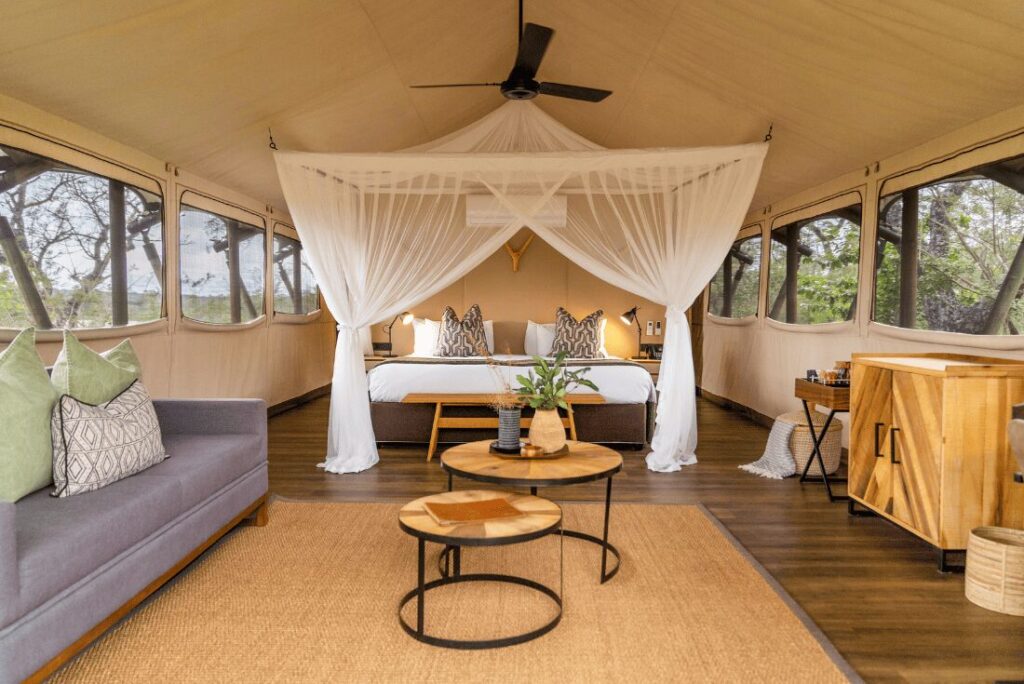
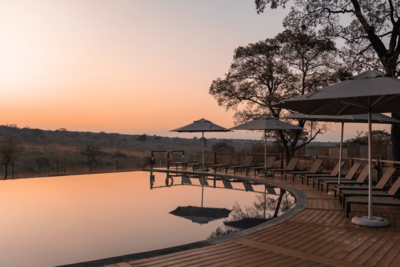
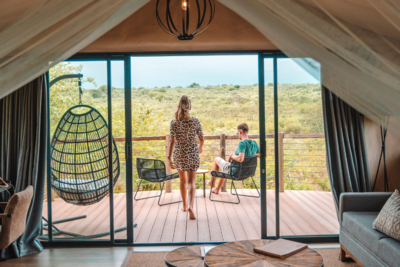
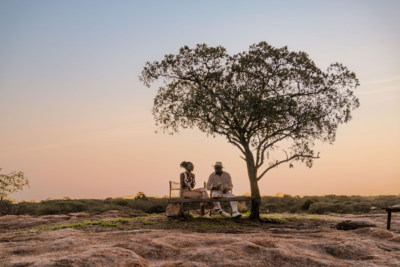
Mdluli Safari Lodge
Travellers love: Prime Kruger Park location | Family-centric | Guided game drives | Bush walks
Recommended Safari

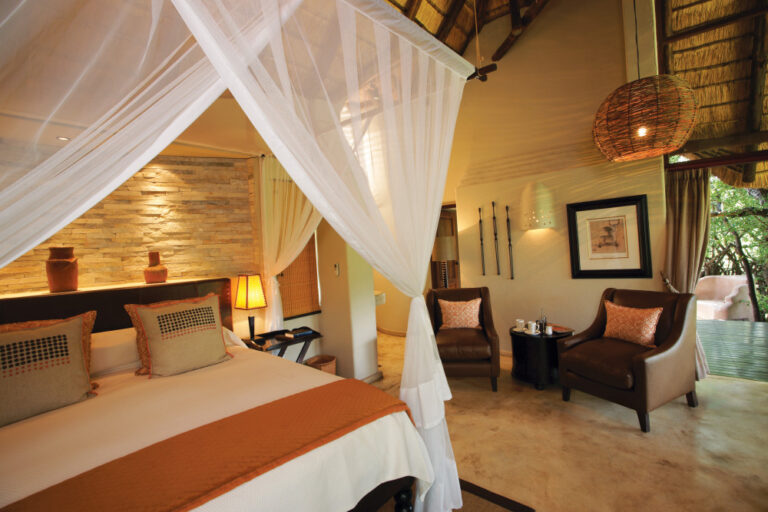


4-Day South Africa Malaria-free Safari
Bush walks | Big Five & wild dog sightings | Glass-fronted suites
2. Kenya: Classic Safari and Culture
Kenya offers the “storybook” African savannah: open grasslands, acacia trees, and big cats.
Why is it good for families?
- Famous reserves and easy wildlife viewing
- Camps that welcome children and offer family tents
- Strong cultural elements, especially Maasai and Samburu traditions.
Ideas for families
- A few days in the Masai Mara to look for lions, cheetahs, and large herds of herbivores
- Time on the Laikipia Plateau, where some conservancies offer camel walks, horse riding, or hands-on conservation activities
- Relaxing on the Kenyan coast at the end, with warm Indian Ocean beaches
- Best for: School-age kids and teens, and families who want wildlife plus culture.
3. Tanzania: Big Landscapes and the Great Migration
Tanzania is known for huge skies and vast plains, home to millions of animals.
Why is it good for families?
- Iconic parks like the Serengeti and Ngorongoro Crater
- The chance (at the right time of year) to see parts of the Great Migration
- Easy combination with beach time on Zanzibar.
Ideas for families
- Serengeti National Park for big cats and, seasonally, migrating wildebeest and zebra
- Ngorongoro Crater for concentrated game viewing with shorter drives
- A few relaxed days on Zanzibar for swimming, sailing in traditional dhows, and snorkeling
- Best for: Families with school-age kids or teens who can manage longer drives.
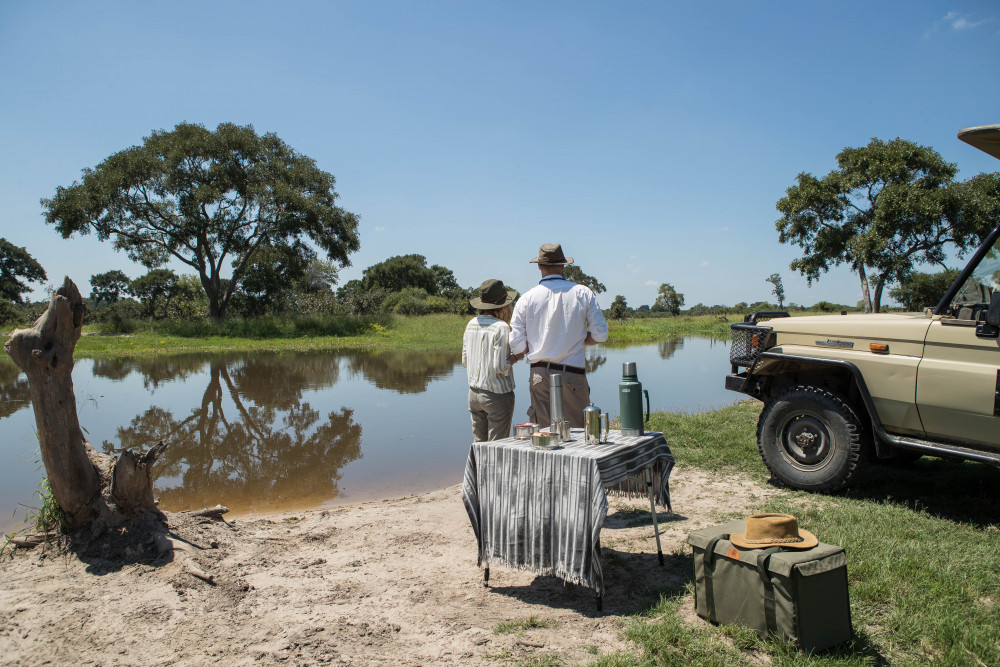
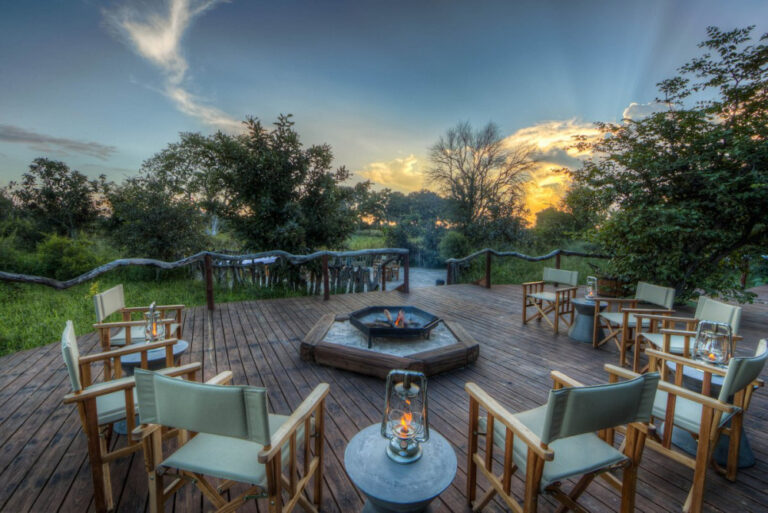
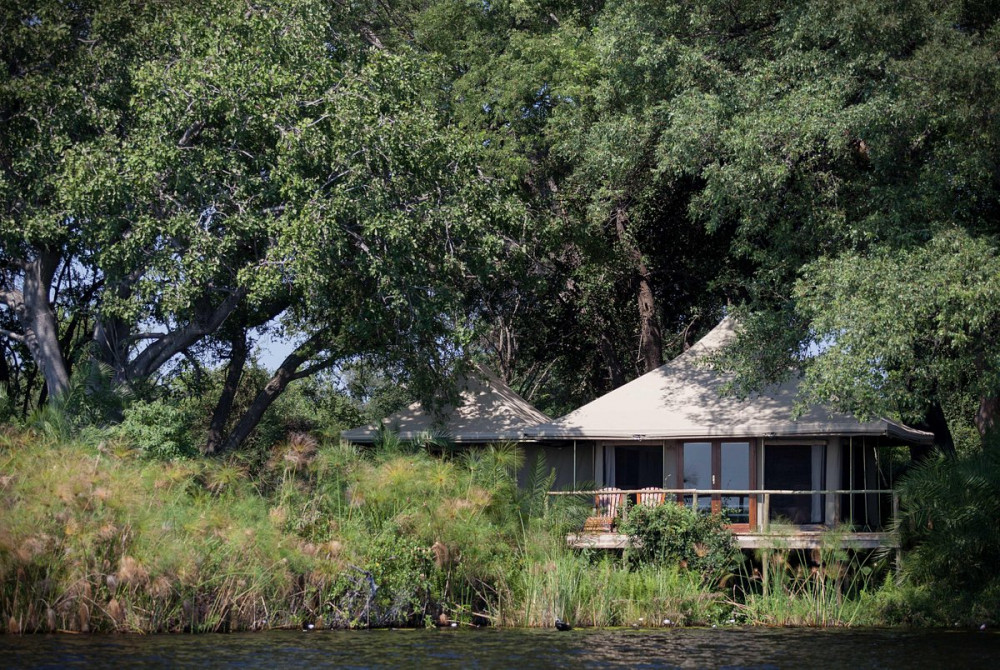
4. Botswana: Quiet Wilderness and Water Safaris
Botswana focuses on low-impact, high-quality safaris with lots of space and very few vehicles.
Why is it good for families?
- Excellent guiding and wildlife
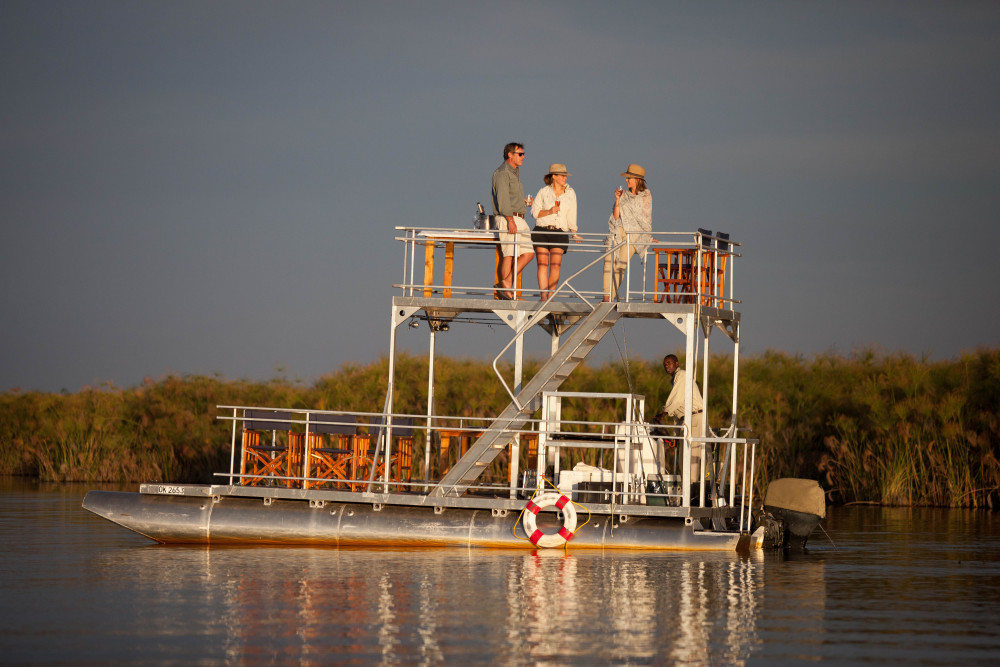
- Water-based activities like boat trips and canoe-style mokoro excursions
- A true sense of remoteness and wild nature.
Ideas for families
- The Okavango Delta for boat trips, mokoro outings (age limits often apply), and island nature walks
- The Chobe River area for boat cruises with large herds of elephants and buffalo
- Best for: Older kids and teens, and families who have done a safari before or value quiet wilderness.
Note: Many camps have minimum ages, and trips here often cost more than in some other regions.
Recommended Lodge
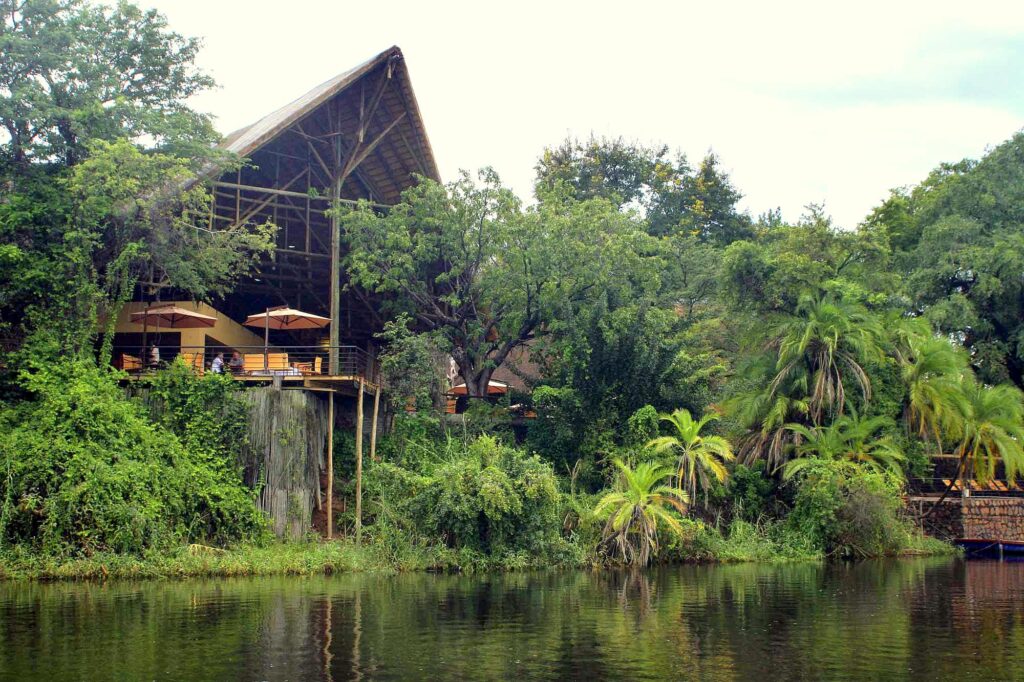
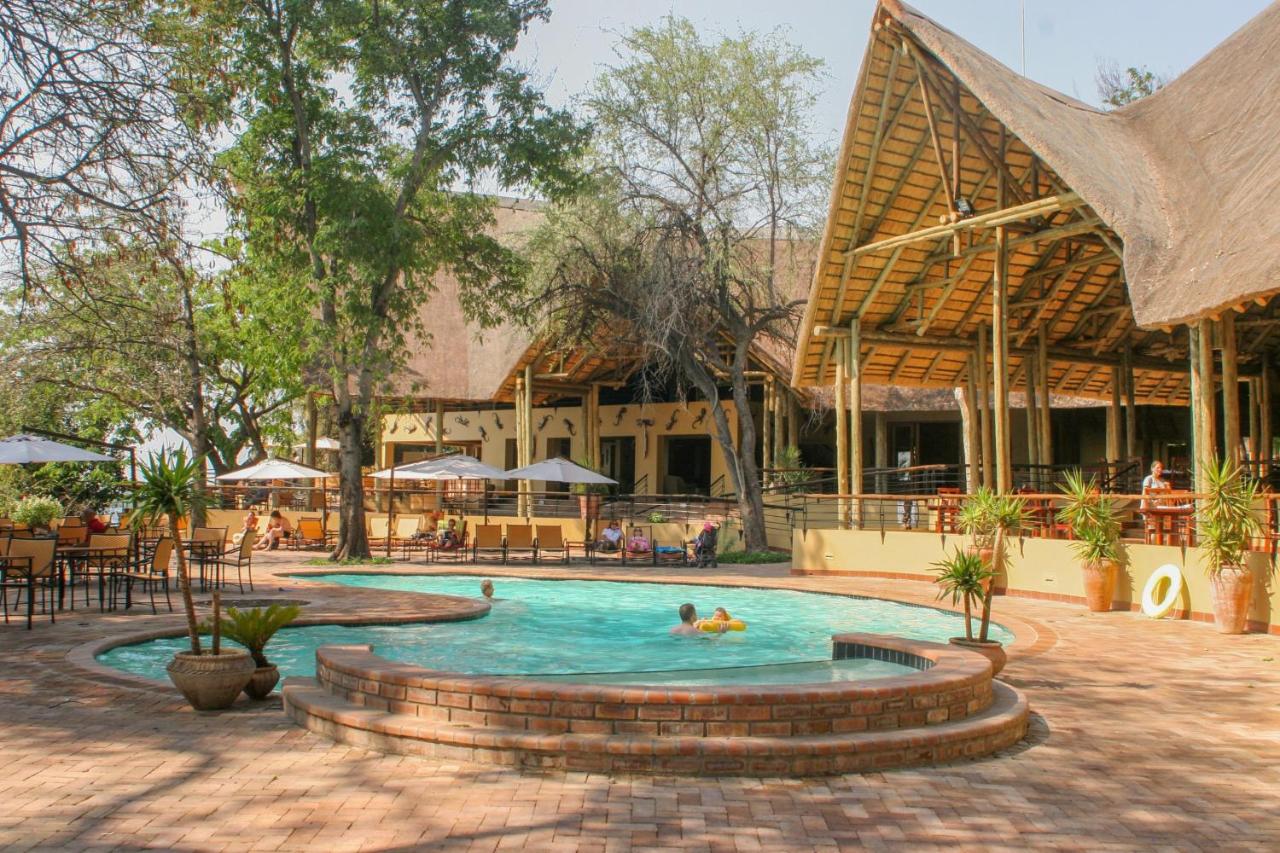
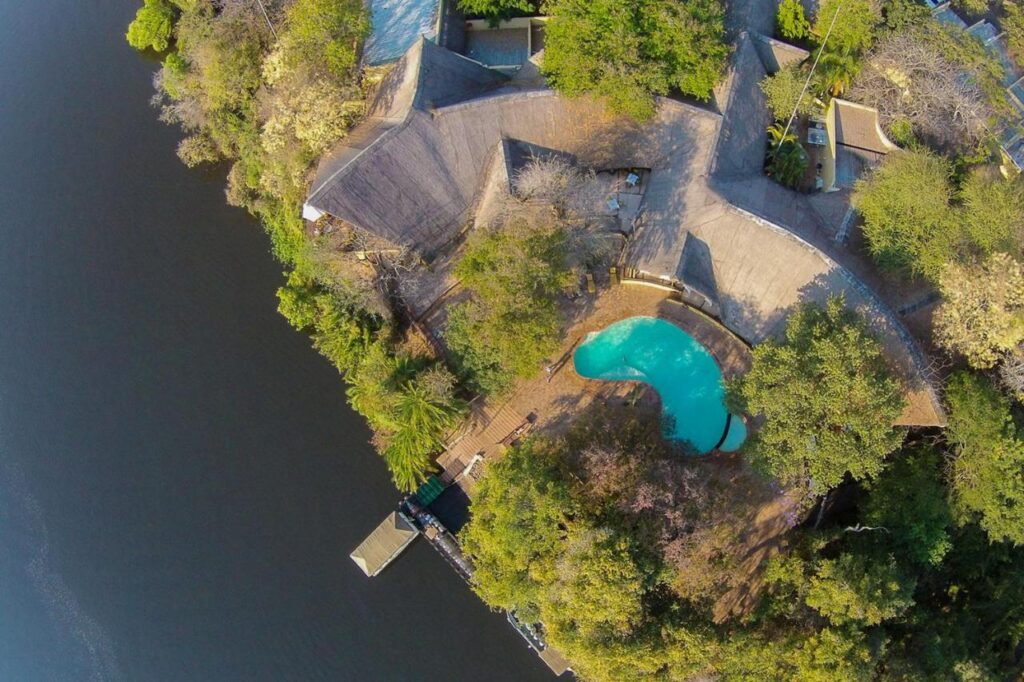
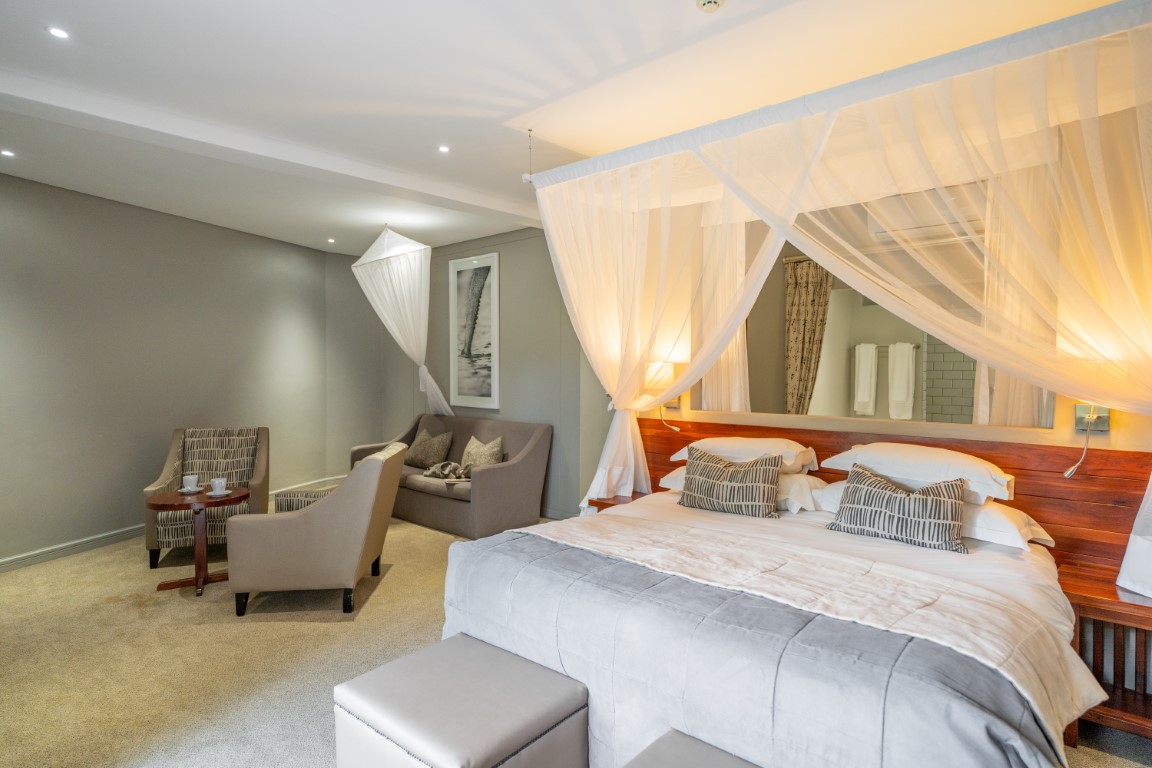
Chobe Safari Lodge
Travellers love: Year-round wildlife viewing | Chobe River cruises | Birdwatching | Victoria Falls day trip
Recommended Safari
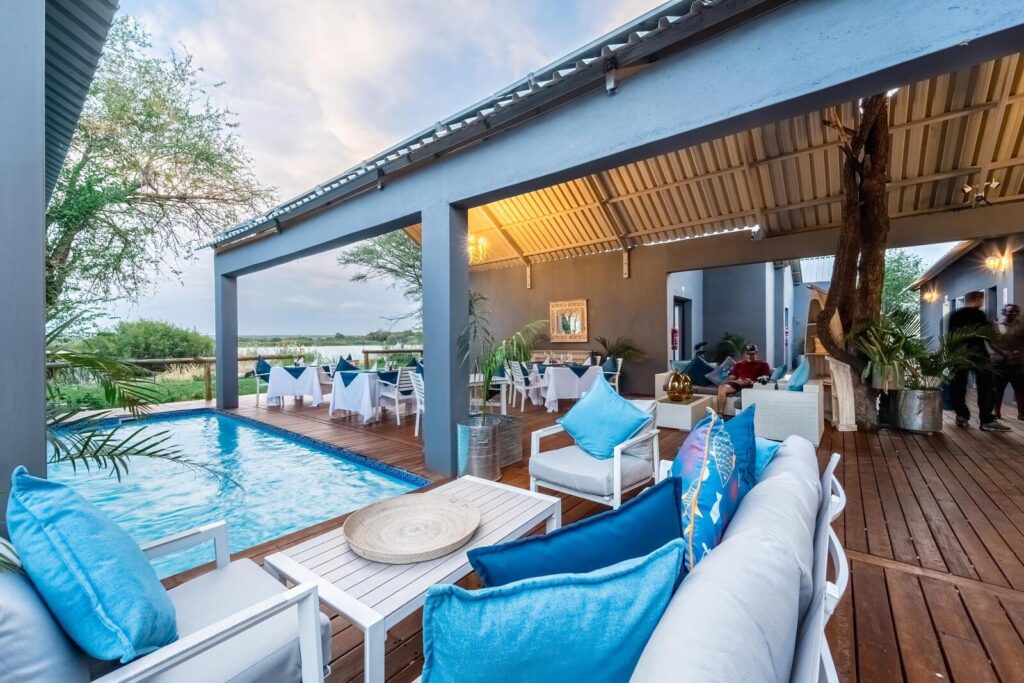
7-Day Botswana Safari — Stay 7, Pay 6 Offer
Leopard & wild dog sightings | Mokoro trips | Sunrise drives
Namibia: Road Trips and Desert Adventures
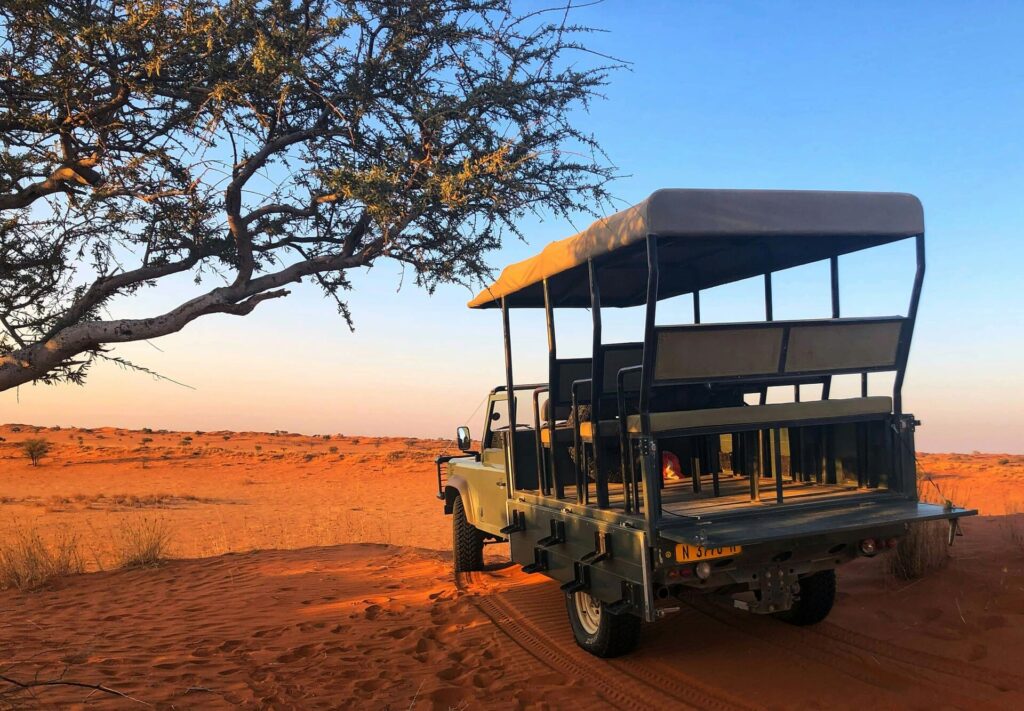
Namibia is ideal for families who enjoy driving themselves and love dramatic landscapes.
Why is it good for families?
- Safe, spacious, and well-suited to self-drive trips
- Unique desert scenery and desert-adapted wildlife
- Plenty of activities beyond game drives.
Ideas for families
- Etosha National Park, where you can self-drive between waterholes and watch animals come to drink
- Sossusvlei for climbing giant sand dunes and seeing otherworldly desert scenes
- Swakopmund for sandboarding, quad biking in the dunes, and “living desert” tours
- Best for: Independent families and older children who enjoy scenery, stars, and adventure.
Under 5 years
- Choose malaria-free areas where possible
- Look for lodges with fenced grounds, pools, and flexible meal times
- Keep game drives short and build in nap and play time.
Ages 5–10
- Kids can handle slightly longer drives with snacks and breaks
- “Junior ranger” activities, tracking lessons, and simple nature walks are ideal
- Cultural visits should be short and interactive.
Ages 11 and up
- Older children and teens can enjoy walking safaris (where allowed), canoeing, horse riding, and night drives (age rules vary)
- They generally manage early starts, longer transfers, and deeper discussions about conservation and local life
- Always check each lodge’s minimum age for staying at the property and for specific activities.
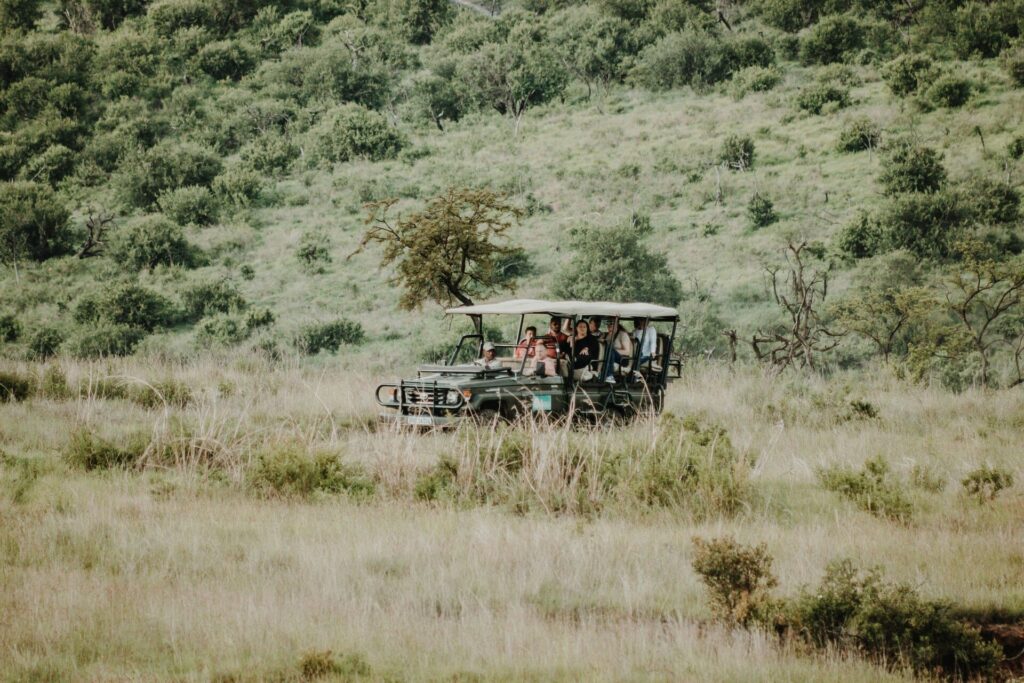
Dry season (often June–October)
- Grass is shorter and water sources are limited, so animals are easier to find
- Cooler temperatures in the mornings and evenings
- Popular travel period, with higher prices in many areas.
Green or rainy season (roughly Nov–Mar/Apr, depending on region)
- Lush landscapes and often many newborn animals
- Fewer visitors and better prices at some lodges
- Rain showers possible, and in some areas roads can be muddy.
Fitting around school holidays:
- June–August: Works well in many parts of East and Southern Africa
- Easter: Often a good time with moderate crowds and prices
- December: Great for some areas (like Cape Town and certain South African reserves); Christmas/New Year can be peak season.
What a Typical Family Safari Day Looks Like
Most safari days follow a gentle rhythm that you can adjust for your kids’ energy levels.
Early morning
Wake-up call, quick snack, and out on a game drive at sunrise when wildlife is most active.
Late morning / midday
Return for a big breakfast or brunch. Time for the pool, reading, games, or kids’ activities while it’s hot.
Afternoon
Rest, craft activities, light walks if the lodge offers them, or simply quiet time.
Late afternoon / evening
Second game drive ending with a sunset stop. Back to camp for dinner and stories around the fire, then bed.
You can always skip a drive if anyone is tired and enjoy the camp instead. Encourage drawing or writing about each day’s highlights during the midday break.
Smart packing tips
- Neutral-colored clothing (avoid bright neon colors on drives).
- Layers: mornings can be cool and afternoons warm.
- Wide-brimmed hat, sunglasses, and high-SPF sunscreen.
- A small daypack per child with a water bottle and a snack.
Ideas to add:
- Beach time – Cape Town’s coast, South Africa’s Garden Route, Mozambique, Zanzibar, or the Kenyan coast.
- Gentle adventure – Sandboarding in Namibia, canoeing on calm waterways, family-friendly hikes.
- Culture and history – Museum visits, local markets, handicraft workshops, or guided village visits where children can meet local kids.
A good family rhythm is often:
- 4–6 nights on safari, then
- 3–5 nights somewhere different (beach, city, or desert).
Planning: DIY or Specialist Help?
You can plan parts of a family trip yourself, especially in countries with good roads like South Africa or Namibia. However, working with a specialist like African Family Safaris & Tours who knows family-friendly lodges can:
- Ensure age-appropriate camps and activities.
- Keep driving and flying times comfortable for kids.
- Match your budget with the right destinations and travel season.
Meet the Author

Gareth turner
Product & sales manager
Gareth has over 20 years of experience, with a strong background in safari planning, destination management and creating memorable African travel experiences. He has a particular passion for wildlife, nature and helping travellers discover the diversity of Southern Africa.