South Africa
 Botswana
 Namibia
 Kenya
Kenya Morocco
 Mozambique
 Tanzania
 Zanzibar
 Zambia
 Zimbabwe
 View All Safaris
What To Expect
Whether you are searching for the Big 5 on foot or in a 4×4 vehicle, flying in a hot-air balloon to see the Great Wildebeest Migration, or trekking through the dense rainforests of Rwanda or Uganda to see gorillas, every day on safari in Africa is an amazing adventure. The promise of a singular experience and treasured memories permeates each day.
Although there is some degree of unpredictability depending on the season or region, most safaris follow a general format that blends exhilarating game viewing with ample downtime – the kind of vacation that’s ideal for anyone seeking a balance of thrill and relaxation.
As a general rule, two game drives are offered daily – one in the early morning and one in the late afternoon – when animals are at their most active.
If you’d like a more thorough look at your itinerary, we’ve created this guide to walk you through what to expect on an average safari day in Africa, whether you’re staying at a lodge or a camp in a private concession, conservancy, or national park.
5:30am – Wake-Up Call
The lodge staff will gently wake you with a knock on the door, often bringing a tray with tea, coffee, and biscuits to ease you into the morning. You’ll usually confirm your order and timing the night before at dinner.
No matter the location, early mornings can be chilly – and you’ll be spending hours in an open safari vehicle. Dress in layers and have warm clothing ready (lay it out the night before to save time).
Why so early? Because this is when the bush is most alive. Many predators hunt or feed just before sunrise, and the savannah quickly becomes too hot for activity. Early morning drives are your best chance to witness thrilling wildlife encounters.
6:00am – 9:00am: Morning Game Drive
Setting off around dawn, you’ll head into the wilderness as the sun rises and nocturnal animals like lions and leopards wind down. Lions may be finishing off a kill, while leopards stash theirs in trees.
You’ll witness herds of giraffe, buffalo, antelope, gazelle, and elephants moving toward waterholes, offering beautiful reflections in the morning light.
Wild dogs, ever opportunistic, will be hunting before the heat sets in. Your guide will typically stop for a refreshment break mid-drive, offering more coffee, tea, and snacks.
In national parks, you’ll need to wait for the gates to open; in private conservancies or concessions, you’re free to leave earlier.
9:00am – 11:00am: Return to Camp for Breakfast or Brunch
By midmorning, it’s too hot to be out. Animals seek shade, and the hazy light isn’t ideal for photography.
Depending on timing and the lodge’s setup, you’ll return for a hearty breakfast or brunch – or sometimes enjoy a cooked bush breakfast out in the wild.
11:00am – 1:00pm: Time to Relax, Read, Nap or Explore
This is your free time. You can unwind at the pool, read a book, take a nap, enjoy a massage, or work out if the lodge has a gym.
If you’re up for more, ask your safari expert about camps offering guided walks, kids’ clubs, libraries, or media centers.
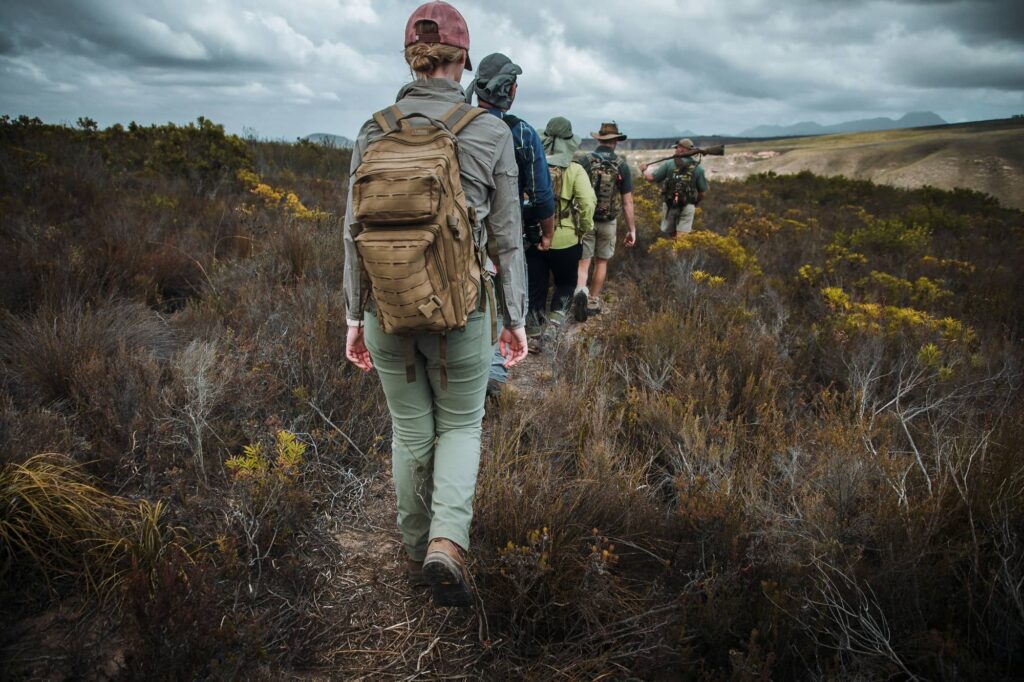
If your lodge offers nature walks during this time (some guides prefer walking over morning drives when it’s hot), don’t miss the chance. You’ll learn about the small, fascinating details: how dung beetles navigate, termites build mounds, birds weave intricate nests, or how the wind whistles through the acacia trees.
For walks, wear closed shoes and preferably long pants.
1:00pm – 2:00pm: Lunch
If you had an early breakfast, lunch is served around midday. Some camps skip lunch entirely if brunch was later.
Many guests admit to gaining a few pounds on safari – the food is that good! Lunch is a great time to chat with other travelers, catch up on photo editing, or reflect on your morning sightings.
3:30pm: High Tea
Start getting ready for the afternoon game drive. Grab your water bottle, binoculars, and camera. If it’s winter, pack a beanie, scarf, and gloves – it cools down fast after sunset.
High tea is a long-standing safari tradition, featuring sweet and savory bites: from petit fours and chocolate cake to scones with cream and jam.
Eat something light – dinner is still a few hours away, and you don’t want to get hungry on your drive.
4:00pm – 7:00pm: Afternoon/Evening Game Drive
As the heat fades, the bush comes alive again. Elephants and antelope return to waterholes. Lions may begin calling to reassemble the pride for the night’s hunt.
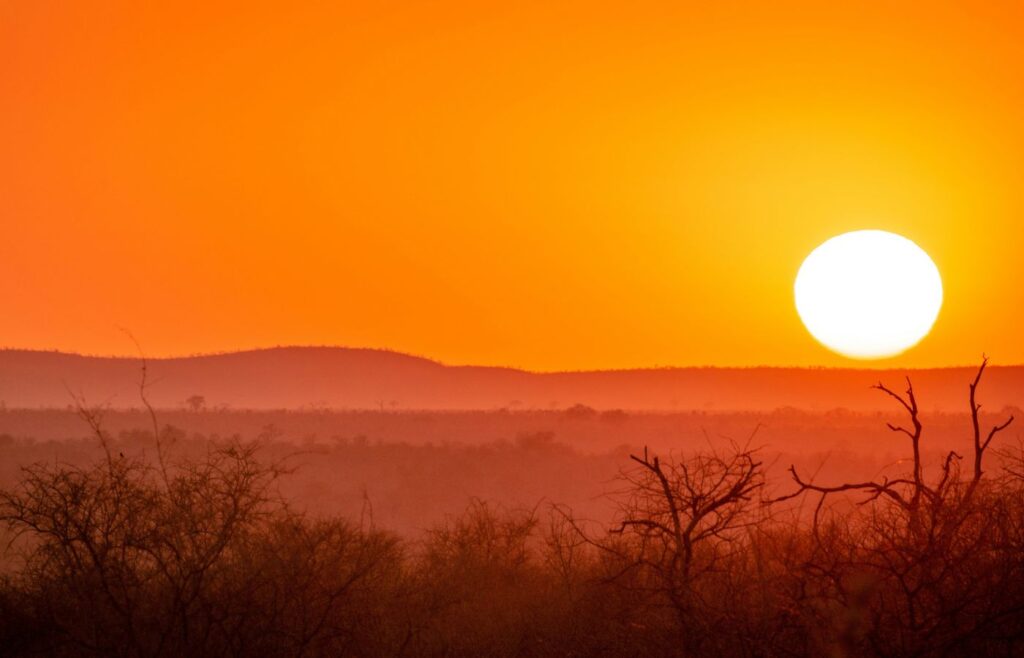
A safari tradition not to be missed: sundowners – drinks and snacks at a scenic lookout as the sun sets. Keep your camera handy – sunsets closer to the equator are fleeting.
In private reserves or concessions, you can stay out after dark and use spotlights to search for nocturnal creatures. In national parks, you must return before gates close at sunset.
Evening tip: wear long sleeves and pants and apply eco-friendly insect repellent. Avoid black and blue – mosquitoes love them. Earthy tones like green, grey, and brown are best.
7:30pm: Dinner Time
There’s something about the fresh air and excitement that stirs up an appetite.
Dinner is usually a delicious multi-course meal with wine. Depending on the camp, it might be buffet, plated, or à la carte.
If the weather is clear, dinner may be served in the boma – a traditional outdoor dining area with a central fire. Often, the staff will sing, dance, or perform before dinner. If they invite you to join – do it! How often do you get to dance under the Milky Way?
9:00pm: Bedtime
Most safari-goers head to bed early – another big day awaits tomorrow.
In the stillness of the night, you might hear hyenas whooping or hippos grunting nearby. Some lodges offer telescopes for stargazing or short talks by guides or naturalists.
One of the best things about safari is the rhythm – simple, soul-nourishing, and wonderfully addictive. No need to decide where to go, what to eat, or how to fill your time.
Just rest, breathe, and enjoy Africa’s wild heart.