
 South Africa
 Botswana
 Namibia
 Kenya
Kenya Morocco
 Mozambique
 Tanzania
 Zanzibar
 Zambia
 Zimbabwe
 View All Safaris
Safari Inspiration
South Africa Safari Trends in 2026
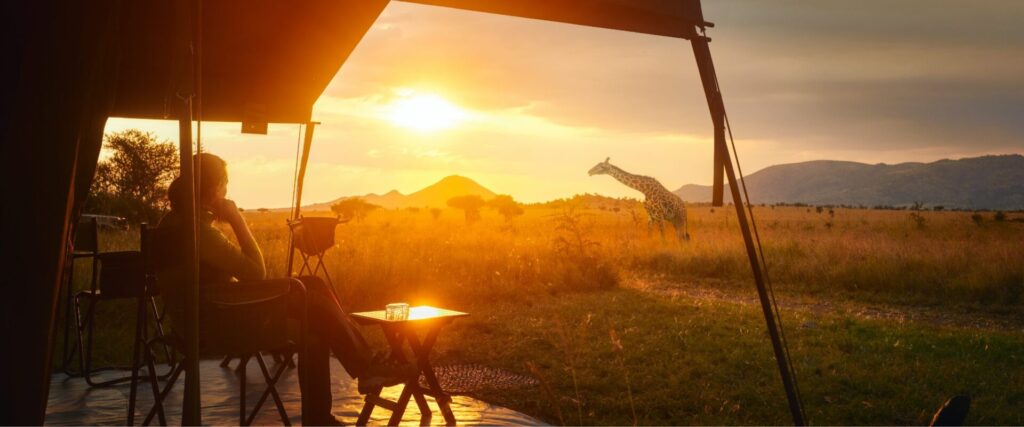
The South African safari scene is undergoing a quiet revolution. We’re moving away from the frantic, whistle-stop tours aimed at ticking the Big Five off a checklist in forty-eight hours. Instead, more travellers are asking for trips that feel less rushed, with enough time to settle into a place, understand the rhythm of the bush, and enjoy the areas around the safari as well.
If you are starting to plan a trip, these are some of the safari trends worth keeping in mind for 2026.
Historically, safaris were all about the photos. Spotting the lion, leopard, rhino, elephant, and buffalo, checking them off, and moving on. Today, wildlife sightings are still important, but many travellers are also asking about the overall experience: where they stay, who benefits from their visit, and how their trip supports conservation.
For example, a family choosing between two Kruger-area lodges may now ask which one has a stronger conservation levy, whether guides are employed locally, or whether the lodge supports nearby schools or anti-poaching work. They want to know about conservation efforts, local employment, and ethical wildlife practices. Rather than trying to squeeze five different parks into a single week, people are choosing one or two main bases to sink into the experience.
In practice, this means pairing a private reserve on the edge of Kruger National Park with a few days discovering the local art, food, and culture of Cape Town, rather than rushing through multiple airstrips and lodge transfers. The goal is to return home with a meaningful story, not just a full memory card of photos.

One of the biggest shifts we are seeing is that guests are trying to do less, not more. Instead of changing lodge every two nights, many are choosing to stay four or five nights in one reserve. This gives the safari more breathing room and makes the whole trip feel calmer, especially for families or first-time safari travellers.
It also means you do not have to be on every single game drive. You might skip one afternoon drive, spend time at the pool with the kids, join a short guided bush walk, stargaze after dinner, or simply sit on the deck and watch what comes past.
For families especially, this makes a big difference. A safari that looks exciting on paper can feel exhausting if there are too many transfers, early mornings and one-night stops.
A classic itinerary might include five nights in a reserve, followed by a relaxed few days in the Cape Winelands. With a longer stay, you may get to follow the same pride of lions over several days, begin to understand their daily rhythms, and enjoy the smaller moments that are often missed on a rushed trip.
For more family-focused planning advice, see our guide to the best safari destinations in South Africa for families.

Rather than taking multiple short vacations throughout the year, travellers are saving up for once-in-a-lifetime, high-value trips. A standard week-long safari is stretching into a ten-to-fourteen-day journey.
For many first-time visitors, we would rather recommend three or four nights exploring Cape Town’s culture and coastline, two nights in the historic Winelands around Franschhoek or Stellenbosch, and four or five nights on safari, instead of a rushed route that tries to include every major highlight.
Recommended Lodge
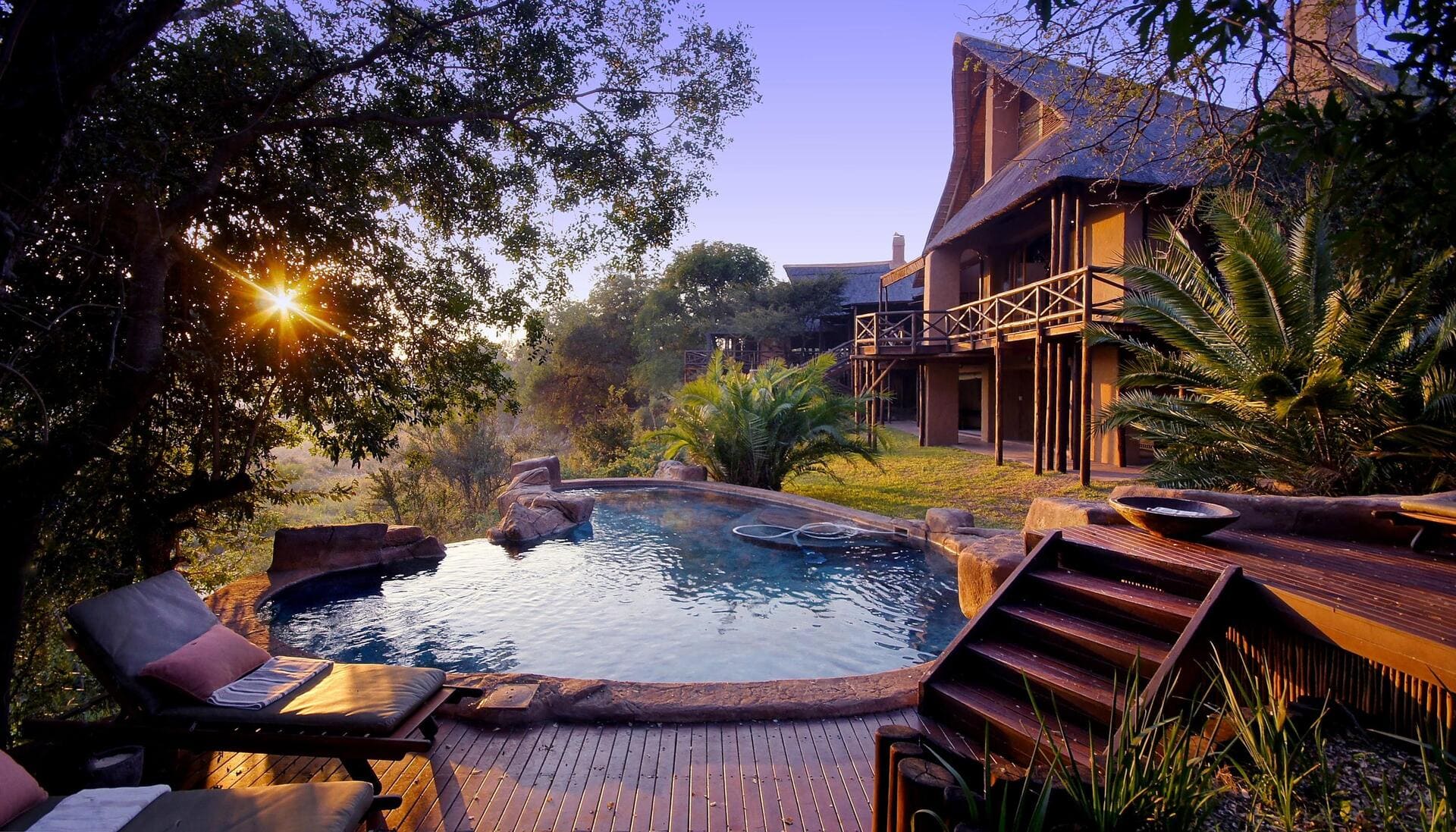


Lukimbi Safari Lodge
Travellers love: Private Kruger concession | Daily game drives | Authentic atmosphere | Experienced rangers | Excellent wildlife sightings
Recommended Tour


Cape Town, Winelands & Kruger Safari
9 Days | Luxury | Private Cape Peninsula tour | Morning and afternoon game drives | Guided bush walks
Travellers are also asking more questions about where their money goes. It is no longer only about choosing the lodge with the best view or the most luxurious room. Guests want to know how a lodge protects its habitat, whether staff are employed from nearby communities, and where conservation levies are used.
This is especially important in private reserves, where tourism helps fund anti-poaching work, habitat protection and long-term conservation. At African Family Safaris, our Elephant Foot Grading helps families compare lodges and safari experiences based on factors such as family suitability, comfort, activities and sustainability practices, so they can choose places that better match their values as well as their travel style.
Choosing the right lodge can make the safari feel more meaningful, because your stay is also helping to keep these wild areas protected.
A safari is already a good way to slow down. Early mornings, quiet evenings, fresh air and limited screen time all help people switch off. More lodges are now adding wellness touches to the experience, from spa treatments and open-air yoga decks to healthier menus, digital detox options and quiet spaces where guests can rest properly between game drives.
Food is becoming part of the overall experience too, with more lodges serving fresh local produce, seasonal dishes and lighter meals that suit the relaxed pace of a safari.
South Africa works well for this style of trip, as you can combine a wellness retreat in the Cape or Garden Route with a slower, low-stress safari in a malaria-free area like Madikwe or the Eastern Cape. This creates a holiday that feels restorative, rather than rushed or tiring.
Itineraries are also becoming more personal. Instead of following a fixed route, many trips are being shaped around specific interests.
Photographers: This could mean choosing a lodge with specialised vehicles, private guiding, guides who understand light and positioning, or even editing workshops back at camp.
For Families: Multi-generational groups are looking for more flexibility, with shorter transfers, flexible meal times, child-friendly guides and enough downtime between activities.
For Food Lovers: Safari can be paired with Cape Town, the Winelands, vineyard picnics, wine tastings and farm-to-table dining.
For the Active Traveller: This might mean swapping some vehicle-based game drives for walking safaris, guided nature walks or a sleep-out experience under the stars.
The best itineraries are no longer just built around where you want to go, but around how you want to travel.

Travellers are venturing into South Africa’s lesser-known safari areas. While Kruger will always be a favourite, it isn’t the only reserve families ask about. Madikwe, the Eastern Cape and some of the private reserves near the Garden Route are becoming stronger options, especially for malaria-free safaris.
Madikwe Game Reserve: A malaria-free reserve that is becoming increasingly popular, offering incredible wild dog sightings and great options for families.
The Eastern Cape: Private reserves here are perfect for those wanting to combine a coastal road trip along the Garden Route with a malaria-free safari.
For travellers who are still drawn to the Greater Kruger area, our guide to family-friendly safari lodges in Greater Kruger is a useful place to compare lodge styles.
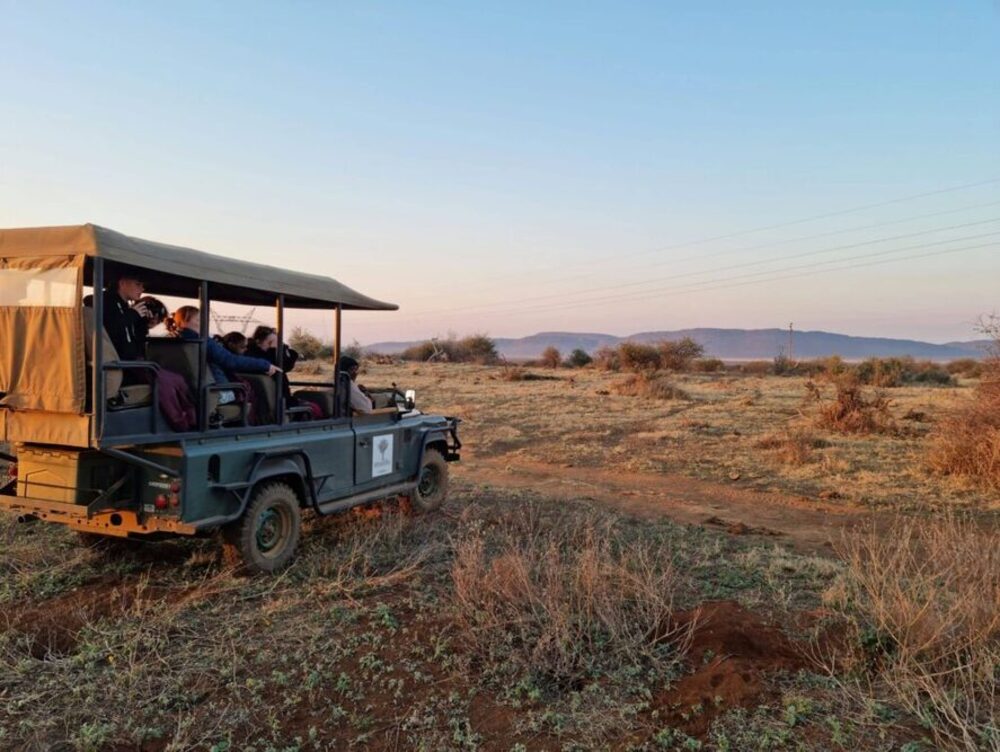
Book in Advance: Family-friendly lodges and malaria-free reserves can fill up quickly, especially over Easter, July/August and December.
Stay Longer in Fewer Places: Every transfer takes time, and with children, a slower route usually works better.
Identify Your Priorities: Big Five, malaria-free, luxury, walking safaris, photography, Cape Town, beaches or the Garden Route — these choices shape the itinerary.
Ask the Right Questions: Speak to African Family Safaris & Tours about your priorities, travel pace, lodge style and any family requirements before you book.
2026 South Africa Safari Planning Snapshot
Not every safari area suits every traveller. Before choosing a lodge or itinerary, it helps to compare the type of experience you want.
| Classic Big Five safari | |
| Best for | First-time safari travellers |
| Best areas | Kruger National Park and private reserves near Kruger |
| Why it works | Excellent wildlife, strong guiding and a traditional safari feel |
| Malaria-free family safari | |
| Best for | Families with young children or travellers wanting a lower-stress option |
| Best areas | Madikwe, the Eastern Cape and the Garden Route area |
| Why it works | Easier for families who want to avoid malaria-risk areas |
| Slow safari | |
| Best for | Honeymoons, families and travellers who dislike rushed itineraries |
| Best areas | Private reserves, Kruger concessions and Madikwe |
| Why it works | Longer stays mean fewer transfers and more time to enjoy the lodge |
| Safari and Cape Town combination | |
| Best for | First-time visitors to South Africa |
| Best areas | Cape Town, the Winelands and Kruger |
| Why it works | A balanced itinerary with culture, food, scenery and wildlife |
| Active or niche safari | |
| Best for | Photographers, walkers and adventurous travellers |
| Best areas | Private reserves, walking safari areas and specialist lodges |
| Why it works | More flexibility around activities, guiding and daily pace |
The Future of the Safari
A good South Africa safari in 2026 does not need to be rushed. The strongest itineraries are often the ones that give you enough time in each place, choose lodges carefully, and balance wildlife with rest, comfort and local experiences.
Think about what matters most to you: Big Five sightings, malaria-free reserves, family-friendly lodges, conservation, comfort, food, photography, Cape Town, the Winelands or the Garden Route. Once those priorities are clear, it becomes much easier to build a safari that feels personal and well-paced.
Explore our South Africa safaris and tours, or speak to an African Family Safaris specialist today to start planning your trip.
Meet the Author

Nadine Anthony
Travel Co-Ordinator
Nadine has 17 years of experience in the travel and safari industry, with a background in luxury hospitality, reservations and guest logistics. She is passionate about creating smooth, personalised journeys and helping travellers experience the wildlife, landscapes and hospitality of Southern Africa.