
 South Africa
 Botswana
 Namibia
 Kenya
Kenya Morocco
 Mozambique
 Tanzania
 Zanzibar
 Zambia
 Zimbabwe
 View All Safaris
Family Safari Planning
Botswana Safari Costs & Planning Guide
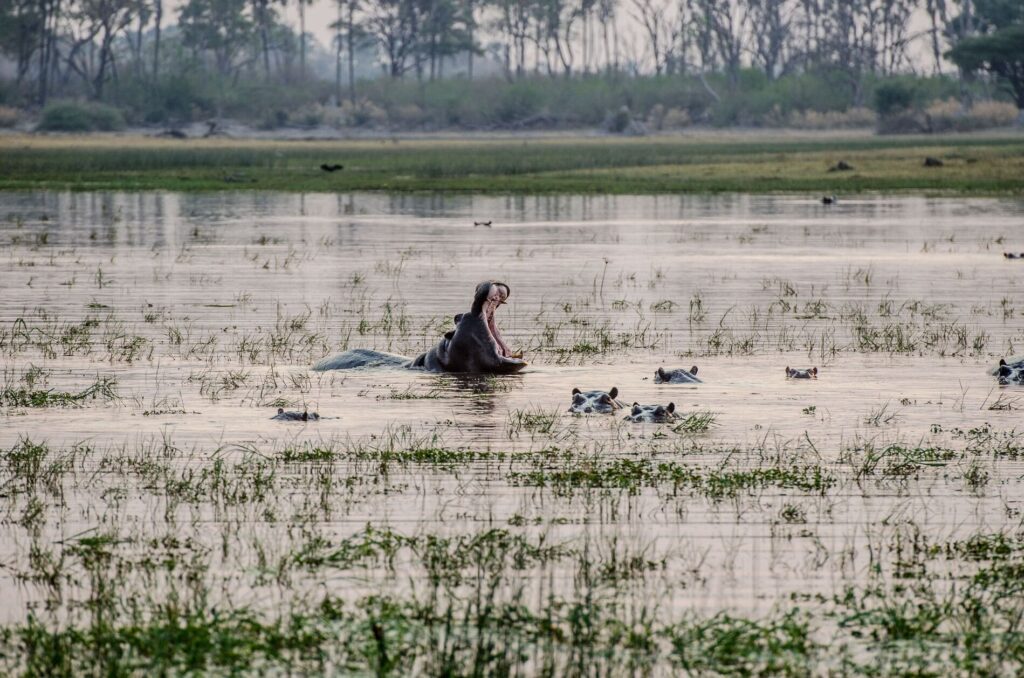
A safari in Botswana is one of Africa’s most rewarding travel experiences – but it can also be one of the most expensive if you don’t understand how pricing works. This Botswana safari costs & planning guide explains what you can expect to pay, why prices vary so much, and how to build an itinerary that matches your budget, comfort level and wildlife priorities.
Whether you’re dreaming of drifting through the Okavango Delta in a mokoro or watching elephants crowd the Chobe River at sunset, this guide will help you turn that dream into a realistic, well‑planned trip.
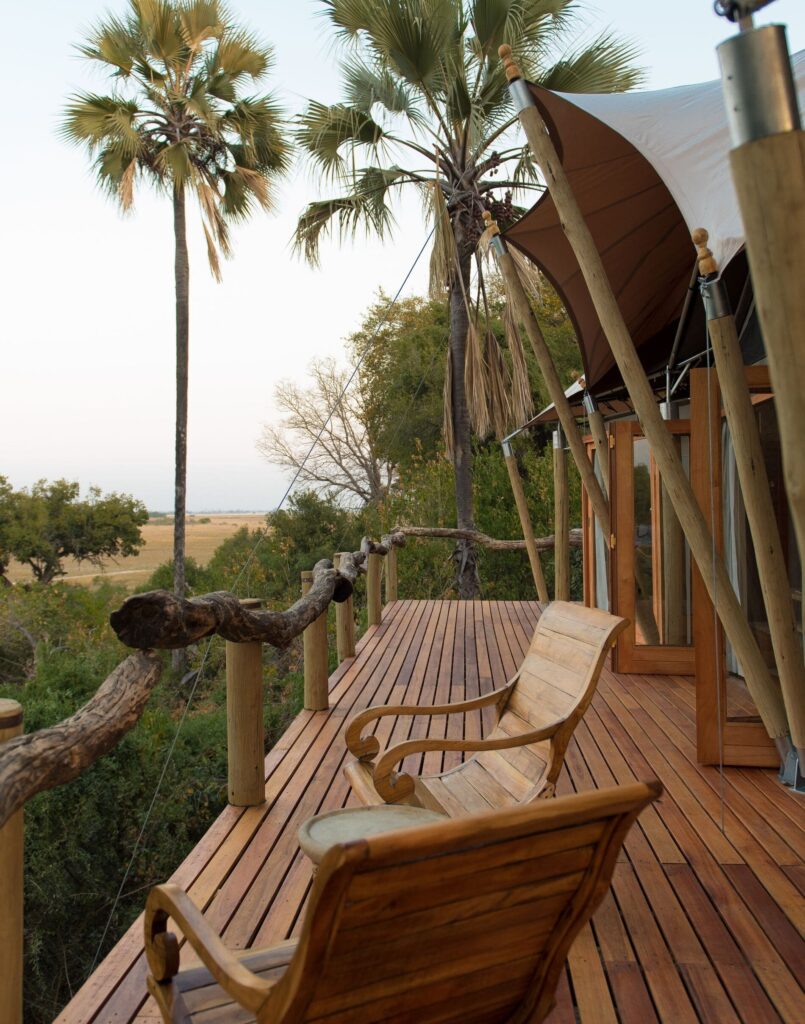
Every itinerary is different, but these approximate per‑person, per‑night ranges are a practical starting point:
Mid‑range lodges:
- Around US$550–US$1,200 per person, per night (pppn)
(comfortable tented camps or lodges, some charter flights, some road travel)
Luxury & ultra‑luxury fly‑in safaris:
- Around US$1,500–US$4,000+ pppn
(exclusive camps in private concessions, charter flights, top guiding, all‑inclusive)
Most packages at all levels typically include:
- Accommodation
- All or most meals
- Park and concession fees
- Scheduled activities (game drives, boat cruises, mokoro trips, etc.)
- Some drinks (varies by camp)
- Light‑aircraft transfers where relevant (mainly for high‑end).
Your Botswana safari package should always clearly outline what’s included and what isn’t, as exclusions like premium drinks, scenic flights, spa treatments and tips can add significantly to the final bill.
| Safari style | Typical cost | Cost basis | What to expect |
|---|---|---|---|
| Budget / mobile camping | Lower-cost option | Varies by itinerary | Simple tents, basic facilities, camp meals and an immersive bush experience |
| Mid-range lodge safari | US$550–US$1,200 | Per person, per night | Comfortable tented camps or lodges, game drives, road transfers and some light-aircraft flights |
| Luxury & ultra-luxury fly-in safari | US$1,500–US$4,000+ | Per person, per night | Exclusive camps, private concessions, charter flights, top guiding and mostly all-inclusive stays |
| 8–10 day mid-range safari | US$5,000–US$9,000 | Per person, full trip | Typically combines destinations such as the Okavango Delta, Moremi/Savuti and Chobe |
| Private activities | Additional surcharge | Usually per day | Private vehicle or boat, more flexible timings and control over sightings |
| Optional extras | Varies | Per activity / service | Scenic flights, spa treatments, premium drinks, tips and pre/post safari nights |
These are approximate planning figures only. Botswana safari costs vary significantly by season, lodge choice, route, transfer method and the level of exclusivity included.
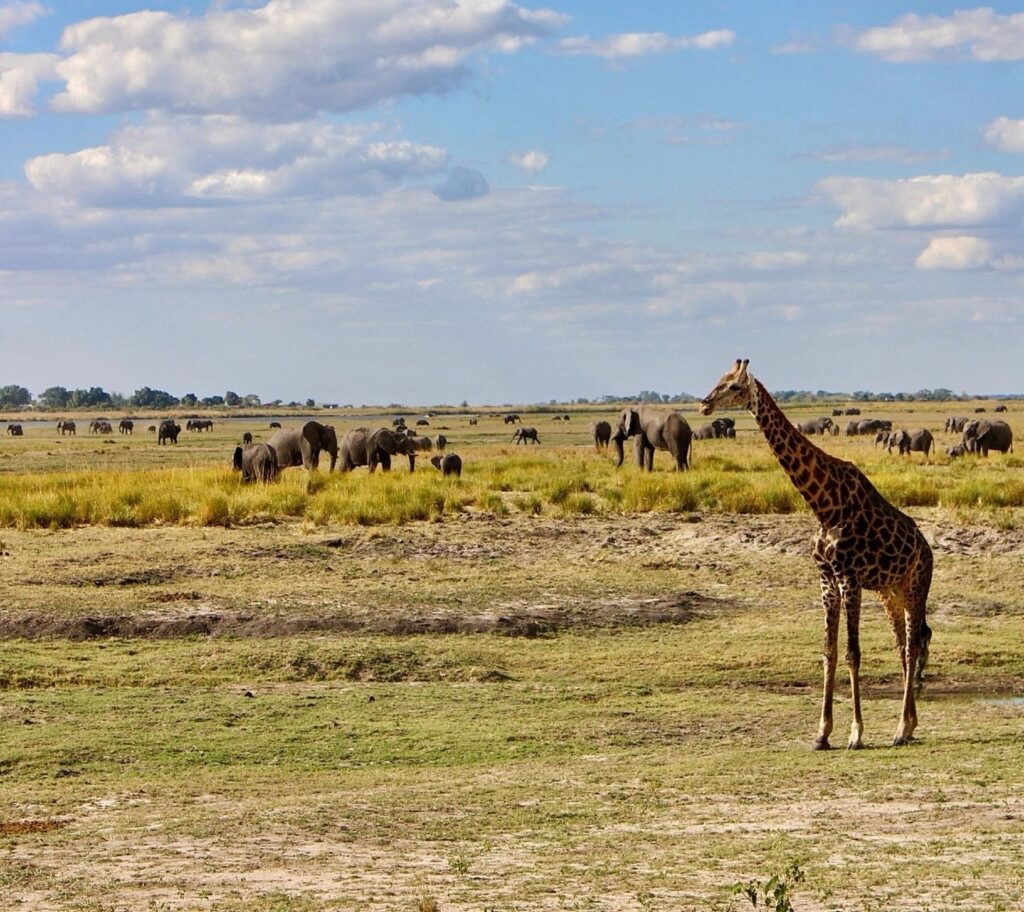
The same 7‑night itinerary can cost very different amounts depending on several key factors, which is why careful Botswana safari planning is so important.
1. Season: When You Travel
High / Dry Season (approx. June–October)
- Wildlife concentrates around permanent water – ideal for big‑game viewing.
- Skies are typically clear; temperatures are cool in the mornings and evenings.
- Very popular months (especially July–September).
- Most expensive period – many camps charge their highest rates.
If your focus is classic big cats, wild dogs and large herds of elephant and buffalo in areas like Chobe, Linyanti and the Okavango Delta, the dry season is often the best time to travel – but you’ll also pay a premium for it.
Green / Wet Season (approx. December–March)
- Lush landscapes, flowers and dramatic skies.
- Many newborn animals and spectacular birding.
- Makgadikgadi and Nxai Pan zebra and wildebeest migration at its peak.
- Some roads can be muddy and access to certain areas may be limited.
- Best-value period – many camps discount heavily.
If the cost of a Botswana safari is a concern and you enjoy a greener, quieter safari, the green season can be a great way to stretch your budget further without sacrificing quality.
Shoulder Seasons (April–May, November)
- Often a sweet spot: good wildlife, fewer vehicles, more moderate pricing.
- April–May: pleasant temperatures, receding water in some Delta areas.
- November: electric skies, first storms, many antelope calving.
For many travellers, especially families and photographers, these shoulder months offer the best overall balance between cost and experience.
Read our guide to the best time to visit Botswana for a safari for more seasonal planning advice.
2. Type of Area: National Parks vs Private Concessions
Botswana’s protected areas fall into two broad categories, each with distinct implications for cost and experience.
National Parks & Game Reserves
Examples: Chobe National Park, Moremi Game Reserve, Central Kalahari Game Reserve.
- Lodges and camps in or near these parks can be more affordable.
- Self‑drive is possible in some regions, which can reduce transfer costs.
- Sightings can be busier in well‑known zones like Chobe Riverfront.
If you’re keeping a close eye on your budget, your Botswana itinerary will often include at least one national park where road access and more competitively priced lodges can help keep the overall trip cost down.
Private Concessions
Examples: Linyanti, Kwando, Selinda, and many parts of the Okavango Delta.
- Fewer vehicles, more exclusive and flexible activities.
- Off‑road driving, night drives and walking safaris are often allowed.
- Generally more expensive due to limited beds and remoteness.
A well-planned Botswana safari often combines one or two nights in a national park area with several nights in a private concession, giving you a balance of value and exclusivity.
3. Accommodation Style
Your bed for the night is one of the biggest components in your Botswana safari budget.
Budget / Mobile Camping
- Dome tents or simple walk‑in tents, usually with camp beds or mattresses.
- Shared or basic private ablutions (sometimes bucket showers).
- Simple but filling meals cooked over the fire.
- Very immersive, with the sounds of the bush all around you.
Perfect for adventurous travellers who value authentic wilderness over amenities. This style is the entry point for keeping nightly costs as low as possible while still enjoying prime wildlife areas.
Mid‑Range Lodges & Classic Tented Camps
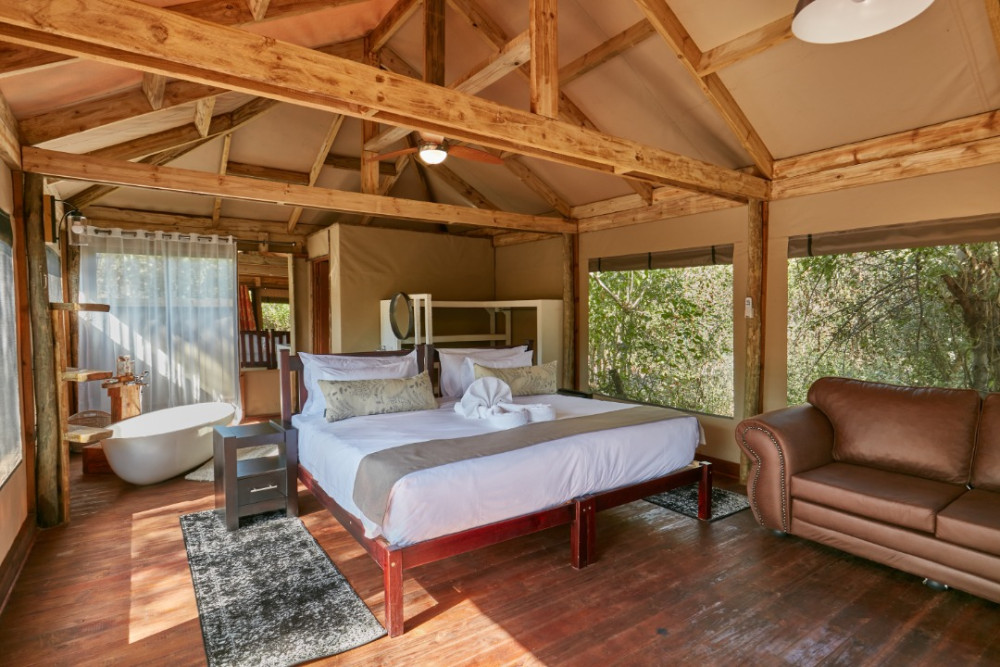
- Comfortable en‑suite tents or chalets with proper beds and hot showers.
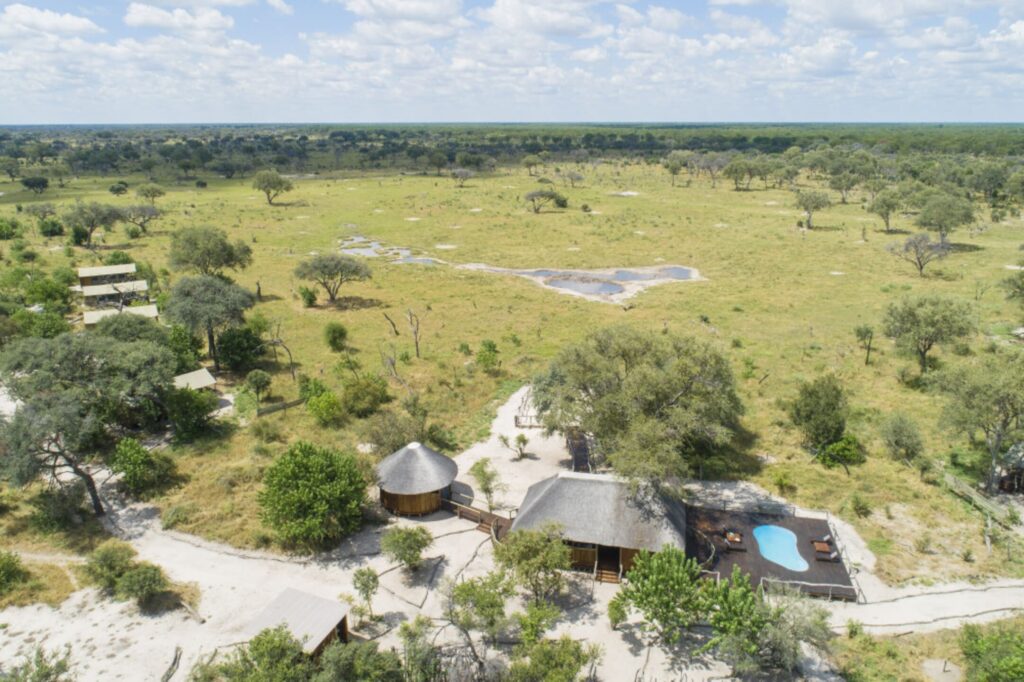
- Often have a pool, bar and lounge area.
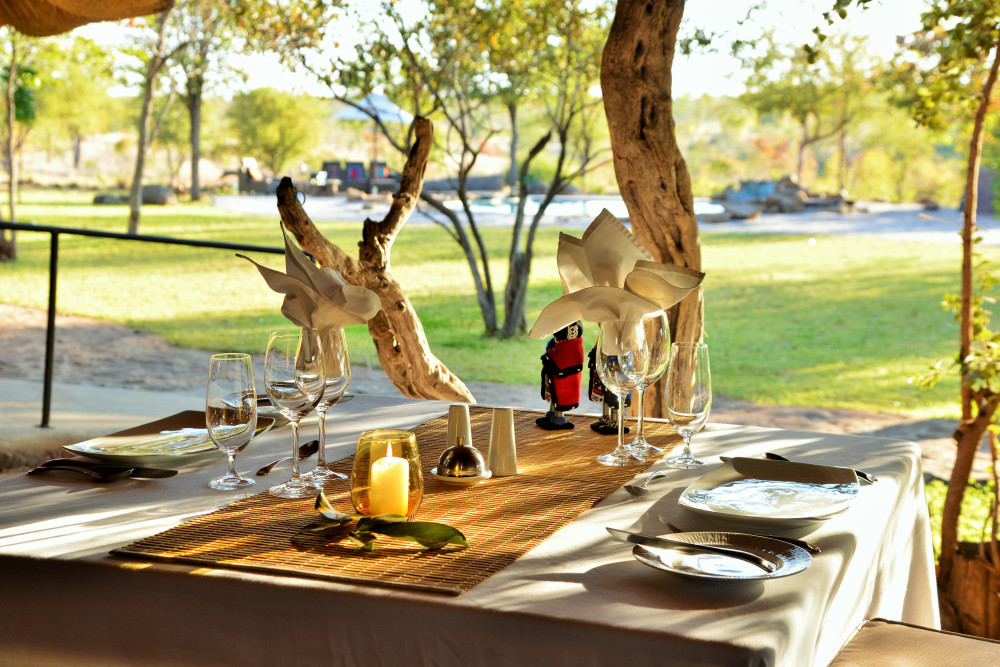
- Solid guiding, a friendly atmosphere and good food.
- Balance of comfort and cost.
This is the “sweet spot” for many visitors and a staple in most mid‑budget Botswana itineraries.
Luxury & Ultra‑Luxury Camps
- Spacious suites or tented pavilions, sometimes with private plunge pools.
- High‑end cuisine and wine lists; spa services at some camps.
- Excellent ratio of staff to guests; very personalised hosting.
- Located in particularly productive or scenic concessions.
Honeymoons or milestone trips will often include at least one ultra‑luxury camp as a centrepiece of the itinerary, combined with more modest properties to keep the overall Botswana safari cost more manageable.
4. Shared vs Private Activities
By default, most camps operate on a shared‑activity basis:
- Small groups in open 4×4 vehicles or boats.
- Fixed activity times: usually one morning and one afternoon / evening outing.
- Lower per‑person cost and a sociable feel.
However, many travellers – especially families and photographers – value the flexibility of private activities:
- A private vehicle or boat just for your group.
- Control over how long you stay at sightings and which species you focus on.
- Flexibility on departure times (within safety limits).
A good safari specialist will make it clear that private activities usually carry a flat daily surcharge, which can make them a worthwhile addition for part of the trip rather than the entire itinerary.
To make this Botswana safari costs guide more concrete, here are two typical budget scenarios. These examples exclude international flights but include accommodation, activities and most transfers.
1. Classic Mid‑Range Lodge Safari (8–10 Days)
Itinerary idea:
- 3 nights Okavango Delta or Khwai (water & land activities)
- 3 nights Moremi or Savuti (big game focus)
- 2–3 nights Chobe (river cruises & elephants)
Style: Comfortable tented camps and lodges; mix of road and short flights.
Activities: Game drives, boat cruises, mokoro in the Delta (water levels allowing).
Approximate cost: US$5,000–US$9,000 per person depending on season and flight legs.
This is a popular option for couples and families who want a comfortable safari experience without moving into ultra-luxury pricing.
Recommended Tour
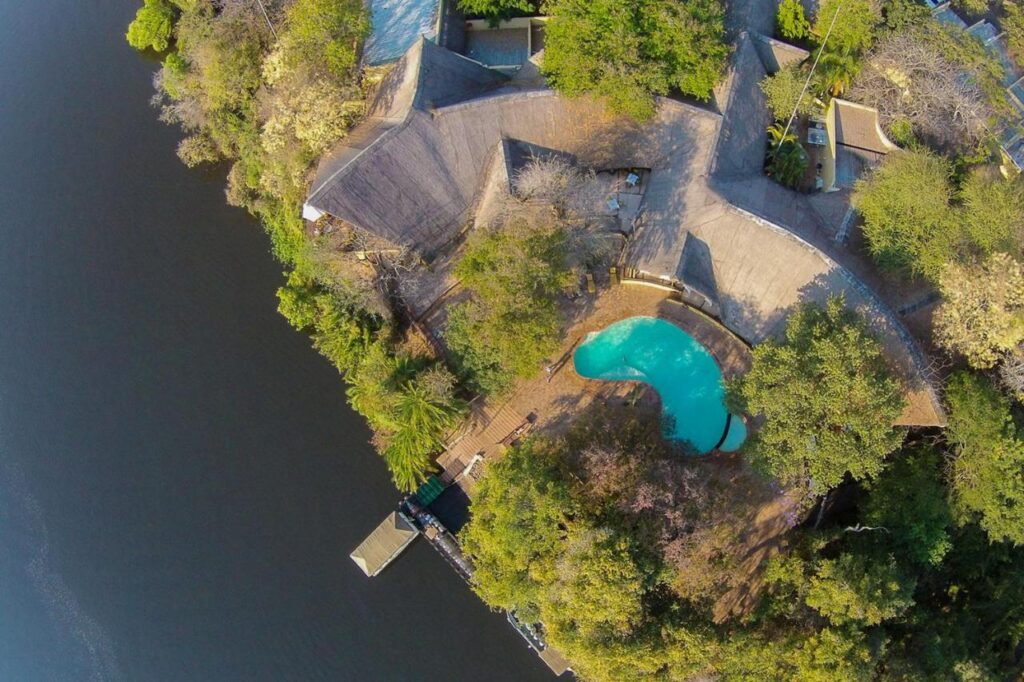

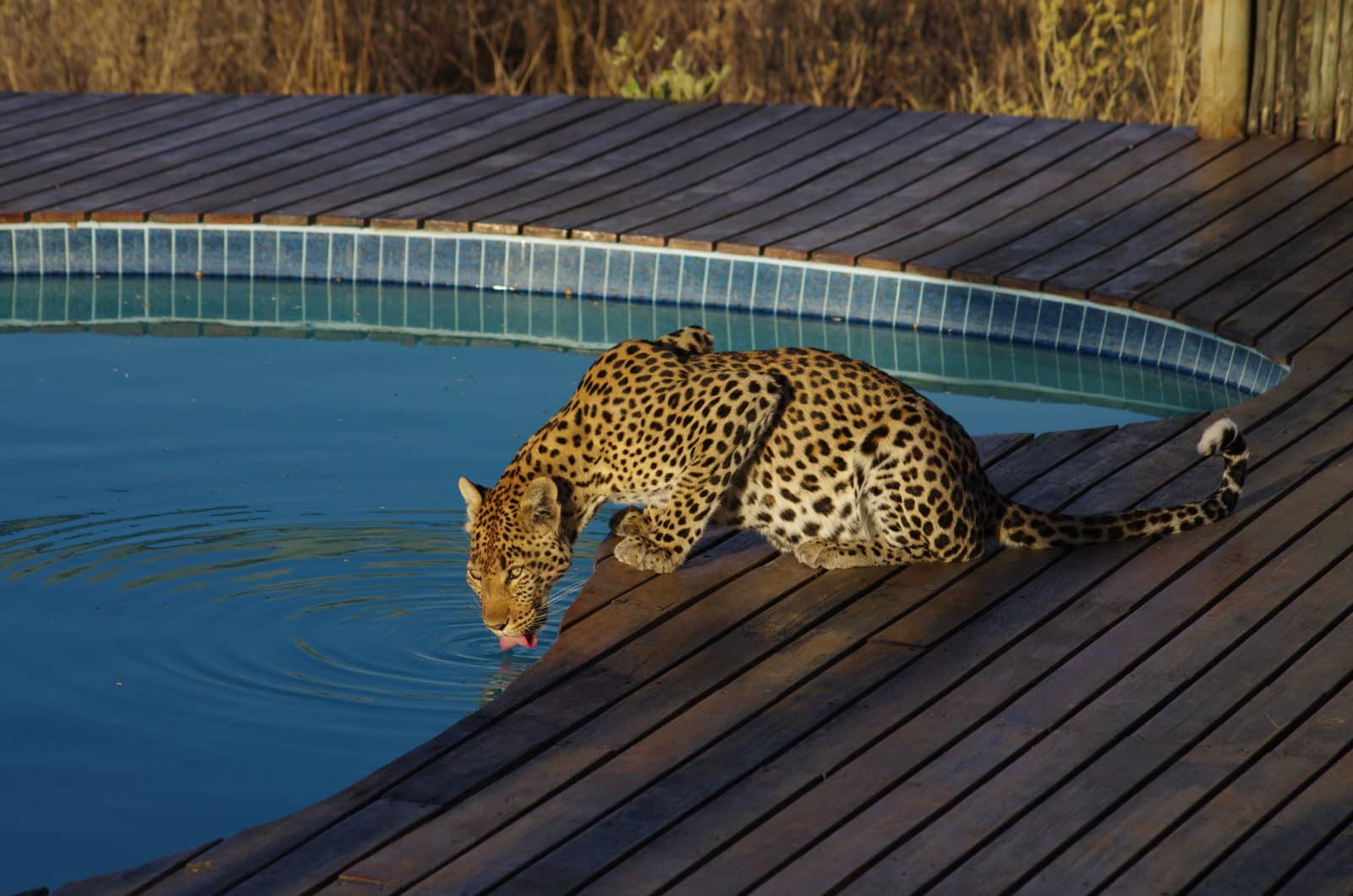
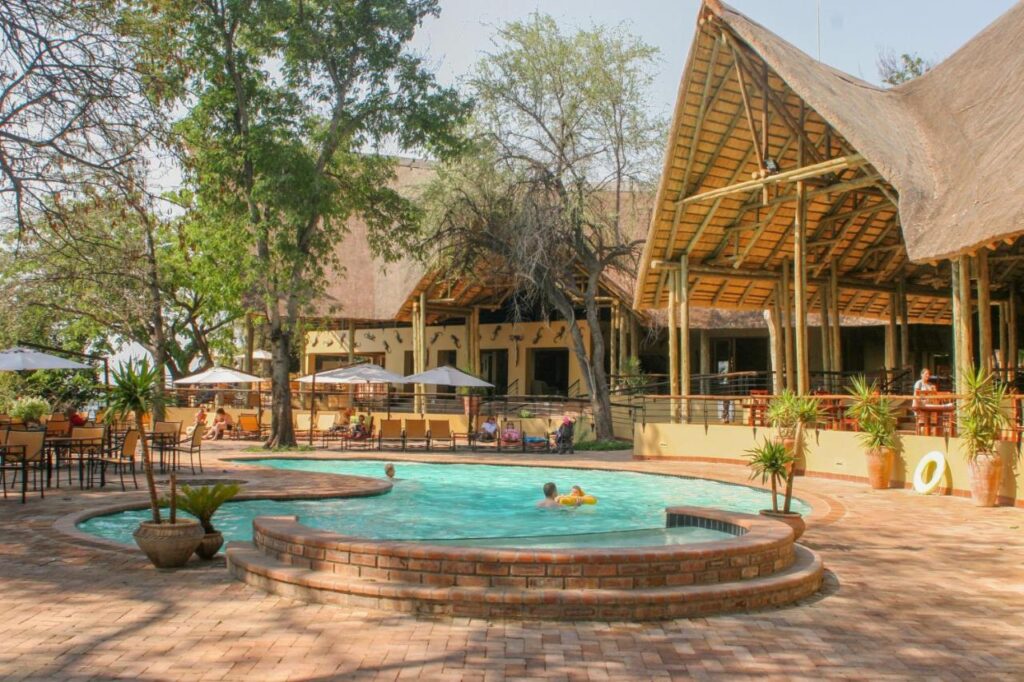

Botswana in Chobe, Moremi & Okavango
9 Days | Best for migratory birding | Boat cruise | Helicopter flights | Mokoro trips
Recommended Tour
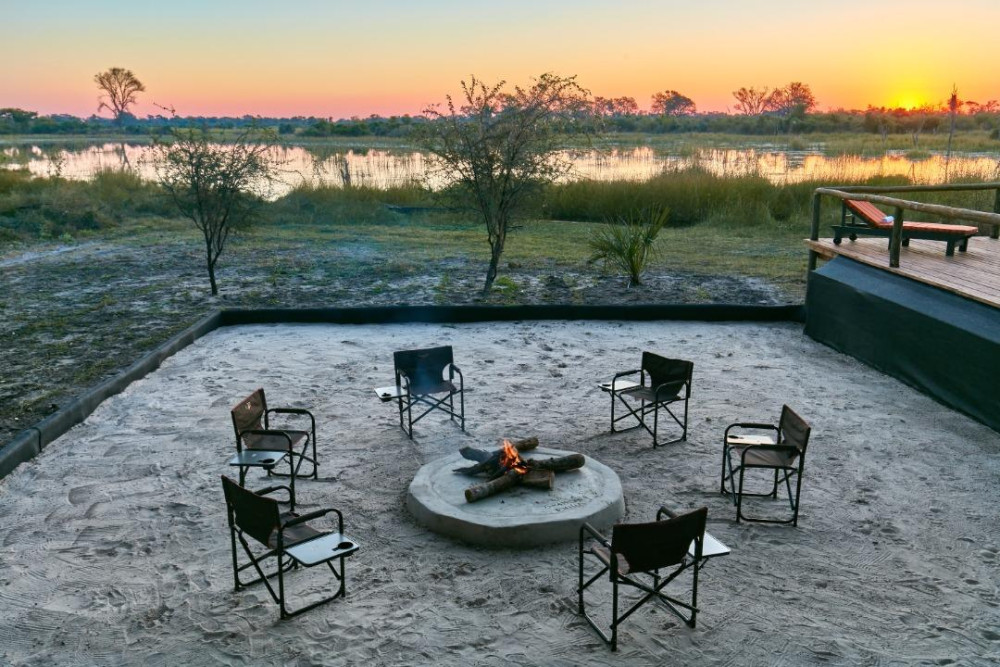
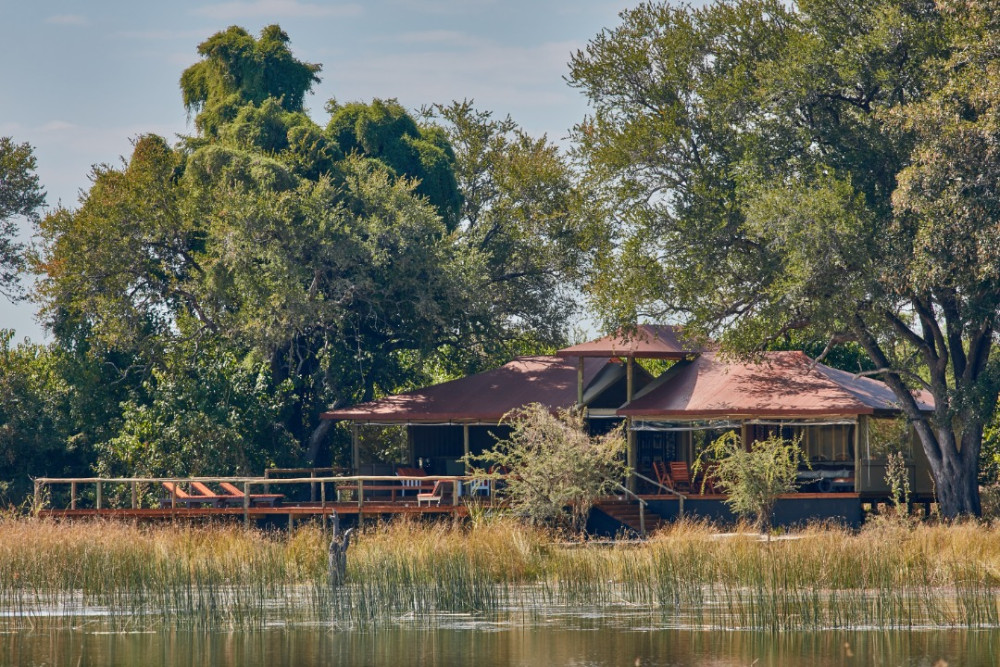
10-Day Botswana Highlights (All-Inclusive)
Green Season special | Guided walks | Mokoro trips | Game drives | Cultural tours
2. Luxury Fly‑In Safari (7–10 Days)
Itinerary idea:
- 3 nights in a private Okavango concession (water & land focus)
- 3 nights in Linyanti/Kwando/Selinda (predator hotspot)
- 2–3 nights in Makgadikgadi or the Kalahari (desert and meerkats)
Style: Intimate luxury camps, mostly reached by charter flights.
Activities: Flexible game drives, night drives where permitted, walking, boat, mokoro, quad biking on pans, meerkat visits.
Approximate cost: US$10,000–US$25,000+ per person depending on month and camp tier.
For special occasions and bucket-list trips, an itinerary may focus more heavily on this style, with low guest numbers, exclusivity and exceptional guiding helping to justify the higher price.
Once you understand the main price drivers, planning your Botswana safari becomes much easier and comes down to a few key questions.
How Many Nights?
6–7 nights: Minimum for two areas, e.g. Delta + Chobe.
8–10 nights: Ideal for three distinct regions (wetland, woodland, desert).
12–14 nights: Best if you want to add the Kalahari or pans and travel at a relaxed pace.
Which Regions?
- Okavango & Moremi: Year‑round wildlife, mixed land/water activities.
- Chobe & Savuti: Superb elephants, river scenery, good predator sightings.
- Linyanti, Kwando, Selinda: More exclusive, especially strong for wild dogs and lions.
- Makgadikgadi & Nxai Pan: Unique salt pans, zebra migration, meerkats, desert feel.
- Central Kalahari: Semi‑desert, big skies, excellent in green season for predators and springbok.
Your route will have a big impact on cost: the more remote and exclusive the area, the higher the nightly rate and (usually) the higher the transport bill.
What Comfort Level?
Are you travelling with young children, older relatives or someone with mobility needs?
These answers help your safari specialist recommend camps that suit your comfort needs, mobility requirements and travel style, so you know what to expect before you arrive.
Families can also explore our range of family African safaris, with itineraries across Botswana and other leading safari destinations.
Even when your package is mostly inclusive, factor in:
- International flights to Botswana (usually via Johannesburg or Cape Town).
- Transfers between airport and first/last lodge if not bundled.
- Visas and park fees for self‑drivers.
- Travel insurance, including medical evacuation cover.
- Tips for guides, trackers and camp staff.
- Optional extras: Scenic helicopter flights, balloon rides (in some areas), spa treatments, premium drinks, private vehicles or boats.
- Pre/post nights in Maun, Kasane or regional hubs.
A well-planned safari should account for these extra costs upfront so there are no surprises later.
To finish, here are some practical ways to get the most value from your Botswana safari budget:
- Travel in shoulder or early green season for lower rates and excellent sightings.
- Limit the number of regions to two or three, reducing expensive transfers.
- Mix accommodation levels, adding one splurge camp to a mainly mid‑range itinerary.
- Join small‑group departures or mobile safaris if you’re comfortable travelling with others.
- Book early (9–12 months ahead for high season) to secure your first‑choice camps at each budget level.
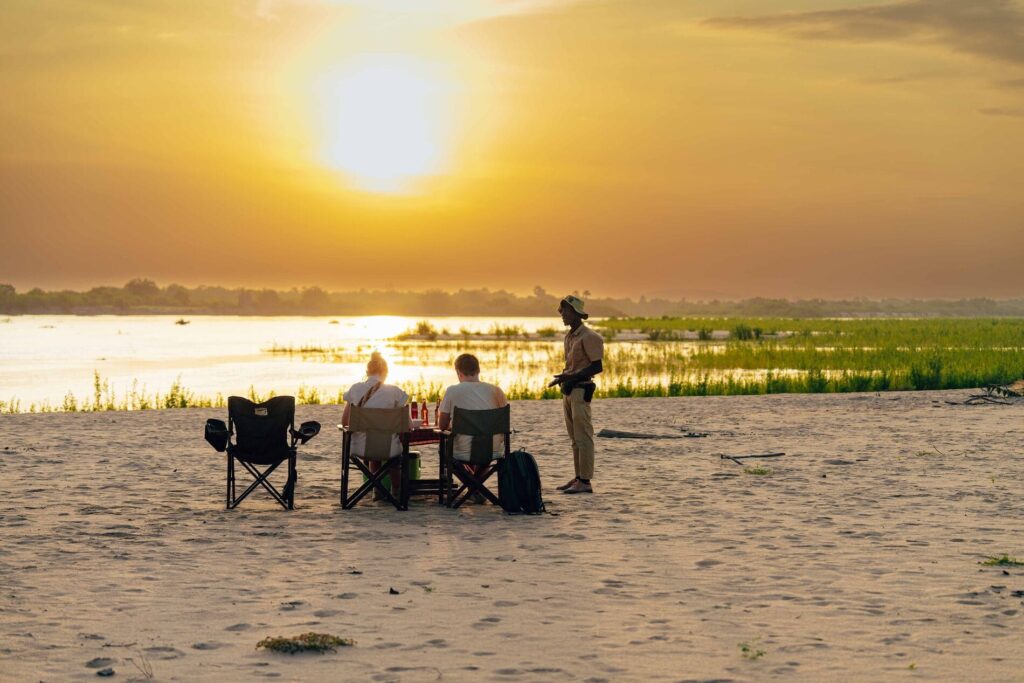
A well‑planned trip lets you balance budget and experience rather than sacrificing one for the other. With realistic expectations about season, routes, accommodation and transport, you can enjoy Botswana’s extraordinary wildlife, landscapes and hospitality in a way that fits your finances and travel style – while understanding exactly what is driving the cost of your safari.
If you’re ready to start planning, African Family Safaris & Tours can help you build a Botswana safari around your budget, preferred travel style and must-see experiences.