
 South Africa
 Botswana
 Namibia
 Kenya
 Morocco
 Mozambique
 Tanzania
 Zanzibar
 Zambia
 Zimbabwe
 View All Safaris
Family Safari Guides
The Complete Guide to Kruger National Park Safaris
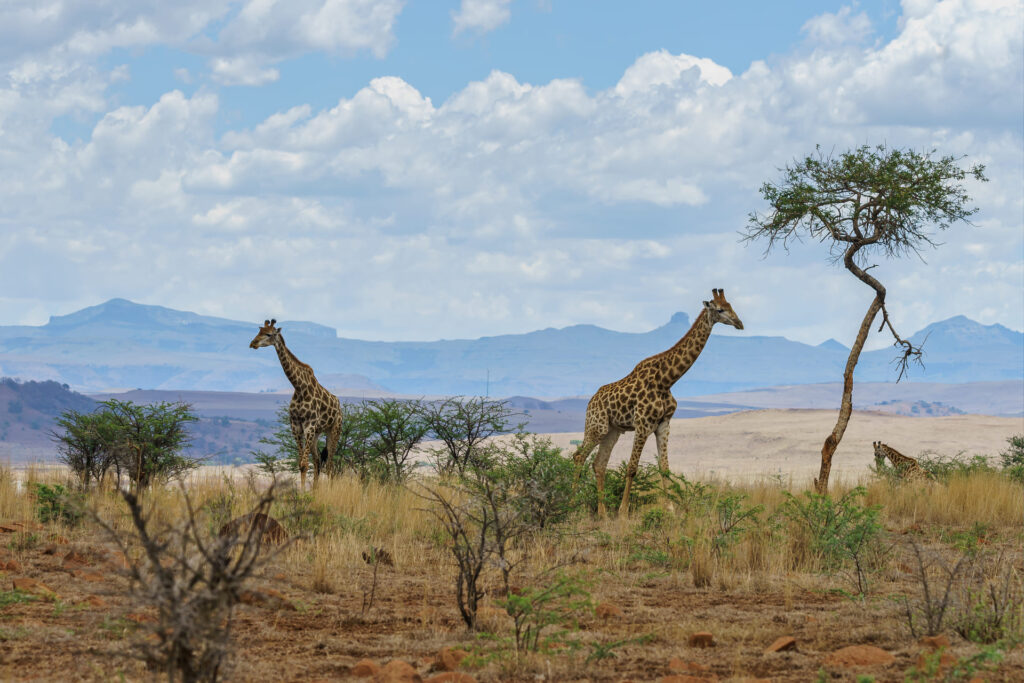
With so many accommodation options, safari experiences and areas to explore, planning a trip to Kruger National Park involves a few important decisions. Should you explore the park on a self-drive safari or stay at a private game lodge? And how much time should you allow to make the most of your visit?
This Kruger National Park guide covers everything from the best areas to visit and when to go, to accommodation, safari costs, family travel and practical tips to help you plan your trip.
Table of Contents:
-
- Kruger National Park vs Greater Kruger Private Reserves
- Best Areas of Kruger for Safari
- Best Time to Visit Kruger National Park
- Types of Kruger Safaris
- Is Kruger Good for Families?
- Where to Stay in and Around Kruger
- How Many Days Do You Need in Kruger?
- Combining Kruger with the Rest of South Africa
- Kruger Safari Costs and Budget Considerations
- Malaria in Kruger
- What to Pack for a Kruger Safari
- Common Kruger Safari Mistakes to Avoid
Covering almost 2 million hectares, Kruger National Park is home to the Big Five and hundreds of other animal and bird species. Its diverse landscapes, extensive road network and range of accommodation options make it a popular choice for both independent travellers and those looking for a guided safari.
Visitors can explore the park at their own pace on a self-drive safari or stay at a private lodge in the surrounding Greater Kruger reserves for a more exclusive, guided experience.
When planning a Kruger safari, you’ll need to decide whether to stay inside Kruger National Park or in one of the private reserves within the wider Greater Kruger ecosystem.
Inside Kruger, you can explore the public road network in your own vehicle, stay at one of the SANParks rest camps and plan your days at your own pace. Accommodation ranges from campsites and self-catering units to bush camps and selected luxury lodges. Guided morning, sunset and night drives are also available from various camps.
Private reserves offer a different experience, with most lodges including accommodation, meals and guided game drives in their rates. Experienced guides and trackers lead the drives, with off-road viewing permitted in certain areas, subject to reserve rules and conditions. Guided walks and night drives are also popular activities. This generally offers a more exclusive safari experience, although at a higher cost.
The distinction is particularly noticeable when comparing Kruger vs Sabi Sands. Sabi Sand is well known for its Big Five sightings, particularly leopards, and is home to some of South Africa’s most luxurious safari lodges. With no fence separating it from Kruger, wildlife can move freely between the two areas.
Several private game reserves in the Greater Kruger region offer different experiences:
- Sabi Sands: Particularly popular with luxury safari travellers and photographers, especially those hoping to see leopards. Accommodation is generally at the premium end of the market.
- Timbavati: Known for its vast wilderness areas, Big Five viewing and conservation efforts. Its unfenced boundary with Kruger allows wildlife to move freely between the reserves.
- Klaserie: Offers a quieter, more remote safari experience, with expansive wilderness and fewer vehicles in many areas.
- Balule: Often a more affordable alternative to Sabi Sands for travellers wanting a guided private-reserve safari. Its location also makes it accessible from Hoedspruit.
- Thornybush: Situated near Hoedspruit, with luxury safari lodges, guided game drives and good access for shorter safari stays.
- Kapama: Offers comfortable, full-service lodges and family-friendly accommodation options across more than 15,000 hectares of private wilderness.
When comparing Kruger National Park and private game reserves, the biggest difference is how you experience the safari. A self-drive stay in Kruger offers flexibility and generally better value, while private reserves provide professional guiding, greater exclusivity and additional wildlife-viewing opportunities.
Kruger is enormous, so choosing the right region can make a noticeable difference to your experience. Broadly, the park can be divided into southern, central and northern areas.
Southern Kruger
The south is generally the easiest area for first-time visitors and families. It has a relatively high concentration of wildlife, good road infrastructure and many accommodation choices.
Skukuza, Lower Sabie, Berg-en-Dal and the areas around Crocodile Bridge and Pretoriuskop are popular bases. The southern region is particularly appealing if you are driving from Johannesburg or flying into Kruger Mpumalanga International Airport.
It can also be busier than the north, especially around popular sightings.
Central Kruger
Central Kruger offers a classic savanna safari environment and is particularly well known for areas of open grassland where large concentrations of grazing animals can attract predators.
Satara and the surrounding plains are popular with visitors looking for lions and general game viewing. Further north, Olifants offers spectacular river scenery and a very different landscape.
The central region is a good compromise for travellers who want strong wildlife viewing without necessarily focusing on the southernmost section.
Northern Kruger
Northern Kruger is quieter and more remote, with landscapes characterised by mopane woodland, baobabs and riverine forests.
Punda Maria and Shingwedzi are good bases for exploring the north, while the Pafuri area is particularly appealing to birdwatchers and travellers looking for a more secluded safari experience.
This region is well suited to those who enjoy exploring different landscapes and wildlife habitats, rather than focusing solely on Big Five sightings.
Because Kruger is so large, don’t underestimate driving times. Moving from one end of the park to another can turn a wildlife day into a long transit day. Plan your route around where you are sleeping rather than trying to cover the whole park.
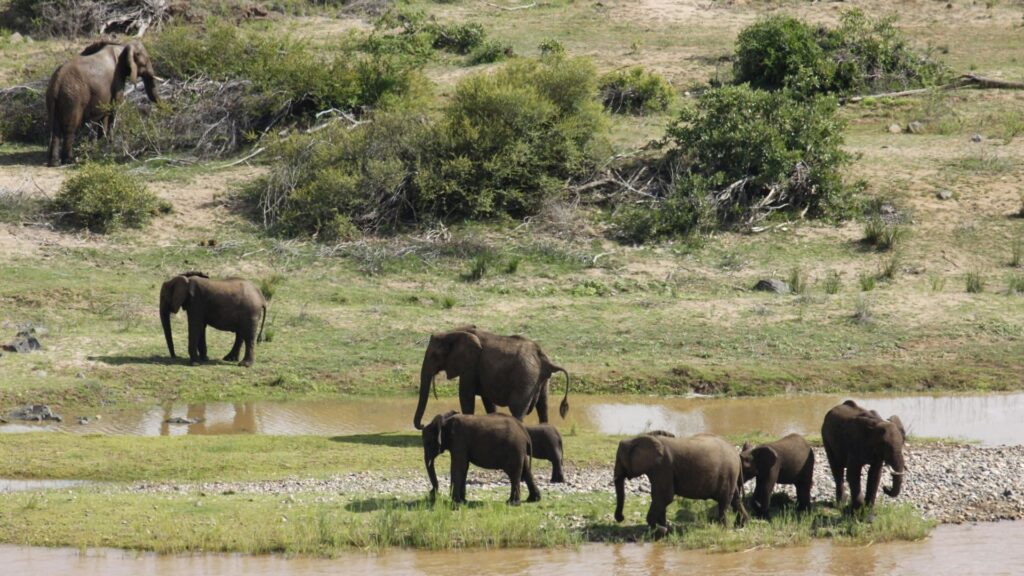
Kruger National Park offers rewarding safari experiences throughout the year, although the dry and wet seasons bring different wildlife-viewing opportunities.
For first-time visitors, we often recommend visiting between May and September, during the dry season. Vegetation becomes thinner, making wildlife easier to spot, while animals increasingly gather around permanent water sources. Days are generally warm and dry, although mornings and evenings can be surprisingly cold.
The dry winter months are also excellent for photography. Sparse vegetation provides clearer views of wildlife, while the crisp mornings and softer light can create beautiful photographic conditions.
The green season, broadly from October to March, offers a different experience. Summer rains transform the landscape into lush green bushveld, wildflowers appear, and many animals give birth. Migratory birds also return, making this a particularly good time for birdwatching.
However, thicker vegetation can make wildlife more difficult to spot, while summer temperatures are often high and afternoon thunderstorms are common.
For families, school holidays, weather and the ages of the children may influence travel dates more than the season itself. Shorter game drives, comfortable accommodation and time to relax between activities can make a big difference.
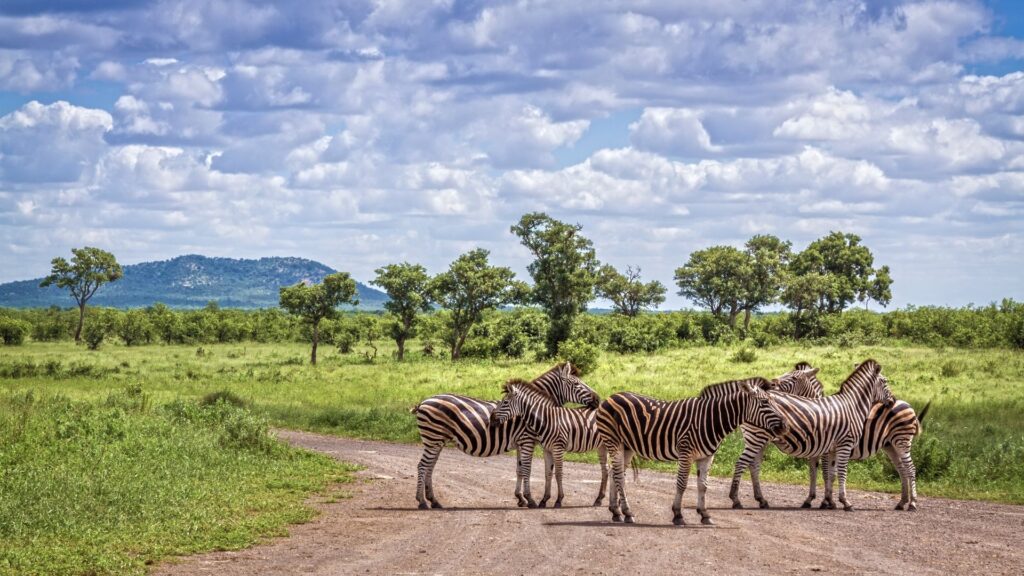
Some travellers prefer the freedom of exploring Kruger independently, while others enjoy having an experienced guide.
- Self-drive safari: One of the most flexible and affordable ways to explore Kruger. You can choose your own routes, stop at wildlife sightings and explore the park at your own pace. It’s a popular option for independent travellers and families who prefer greater flexibility.
- Guided safari: Experienced guides help visitors spot wildlife and understand animal behaviour, tracks, birds and the surrounding environment. Guided game drives are particularly worthwhile for first-time safari visitors.
- Private lodge safari: Most private lodges include accommodation, meals and guided game drives, with experienced guides and trackers leading the safari. This option is well suited to travellers looking for a more exclusive experience.
- Small-group safari: Travellers join others on guided game drives or organised safari tours, making this a good option for solo travellers, couples or those who enjoy sharing the experience with a group.
- Fly-in safari: Flying into an airport close to Kruger or a private reserve can significantly reduce travel times, particularly for visitors with limited time or those combining their safari with other destinations in South Africa.
- Walking safari: Accompanied by qualified guides, walking safaris offer a different perspective on the bush, with opportunities to learn about animal tracks, plants and smaller wildlife. Kruger offers guided bush walks and multi-day wilderness trails.
Yes, Kruger National Park is a great safari destination for families, with accommodation and activities to suit different ages and budgets. However, choosing the right lodge and planning your itinerary around your children’s ages can make a big difference to the experience.
Long daily drives can be tiring for younger children, so it’s worth staying close to the areas you want to explore and allowing time to relax between game drives.
Family-friendly accommodation ranges from SANParks rest camps to private lodges offering family rooms, swimming pools, children’s activities and private game drives. Private vehicles can be particularly beneficial for families, allowing greater flexibility around children’s needs and interests.
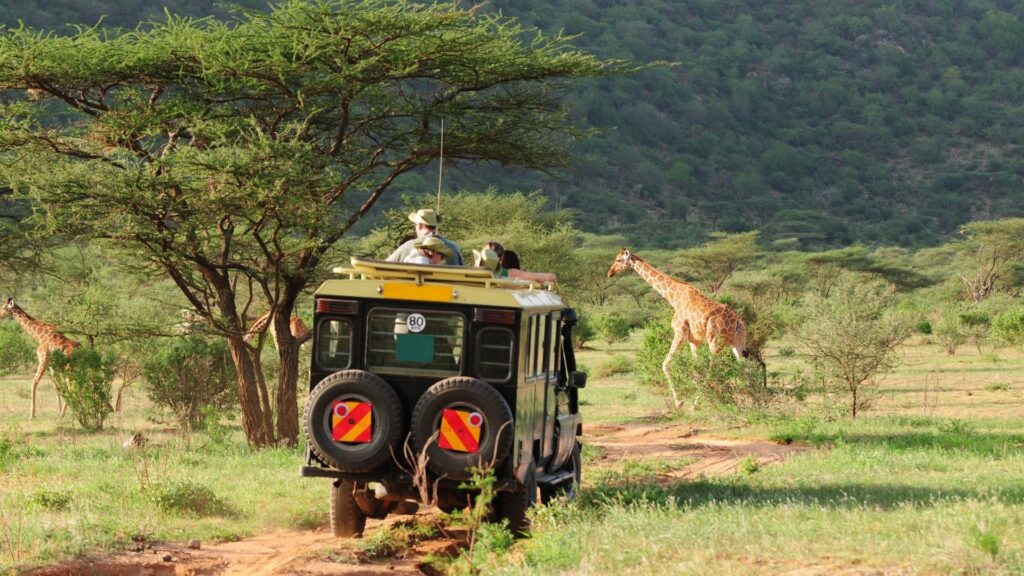
Age restrictions are another important consideration, as they vary between lodges and activities. For example, SANParks does not permit children under six on its standard guided game drives, while some private lodges have their own minimum age requirements or may require families with younger children to book a private vehicle.
For older children and teenagers, Kruger can be particularly rewarding. Learning to identify animal tracks, spot birds and understand wildlife behaviour adds another dimension to the safari experience.
Some lodges also offer activities designed specifically for younger guests. For example, our 4-Day Kruger Park Safari includes three nights at Imbali Safari Lodge, where children over eight can enjoy a dedicated children’s safari experience alongside guided game drives and time to relax at the lodge.
Recommended Safari


4-Day Kruger Park Safari
Enjoy guided Big Five game drives, luxury accommodation at Imbali Safari Lodge and a dedicated children’s safari experience for ages eight and older.
Families should also consider malaria when planning a Kruger safari. The park is situated in a malaria-risk area, so it’s important to seek advice from a doctor or qualified travel-health professional about appropriate precautions before travelling, particularly with young children.
Where you stay in Kruger National Park can shape your safari experience, from the flexibility of a SANParks rest camp to the comfort and personalised guiding of a private lodge.
Inside the national park, SANParks operates numerous rest camps, including Skukuza, Lower Sabie, Satara, Olifants, Letaba, Mopani, Shingwedzi and Punda Maria. Accommodation ranges from campsites and self-catering units to comfortable cottages and bungalows.
Rest camps are a popular choice for travellers looking for flexibility and value, particularly those planning a self-drive safari. Staying inside the park also means you can begin exploring without having to travel through an entrance gate each morning.
For travellers looking for a more guided experience, there are private safari lodges both within Kruger National Park and in the surrounding Greater Kruger reserves. These typically offer accommodation, meals and guided game drives, with some also including additional activities.
Two lodges worth considering within Kruger itself are Mdluli Safari Lodge and Rhino Post Safari Lodge. Mdluli offers spacious tented accommodation, family-friendly facilities and guided game drives, while Rhino Post provides a more intimate wilderness experience, with just eight bush suites and opportunities for guided walks.
Recommended Lodge
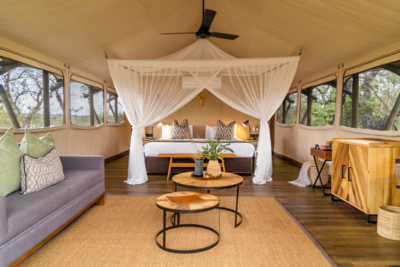
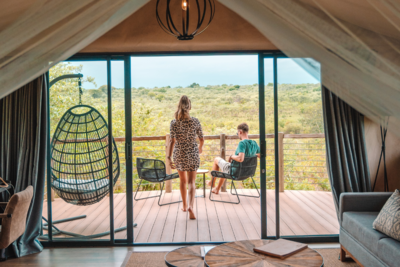
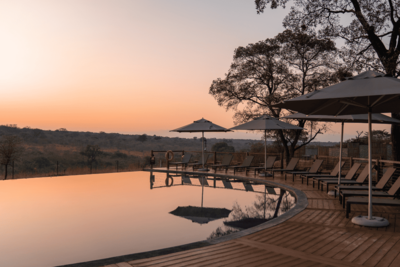
Mdluli Safari Lodge
Travellers love: Game drives | Spacious tents | Infinity pool overlooking the bush
Recommended Lodge
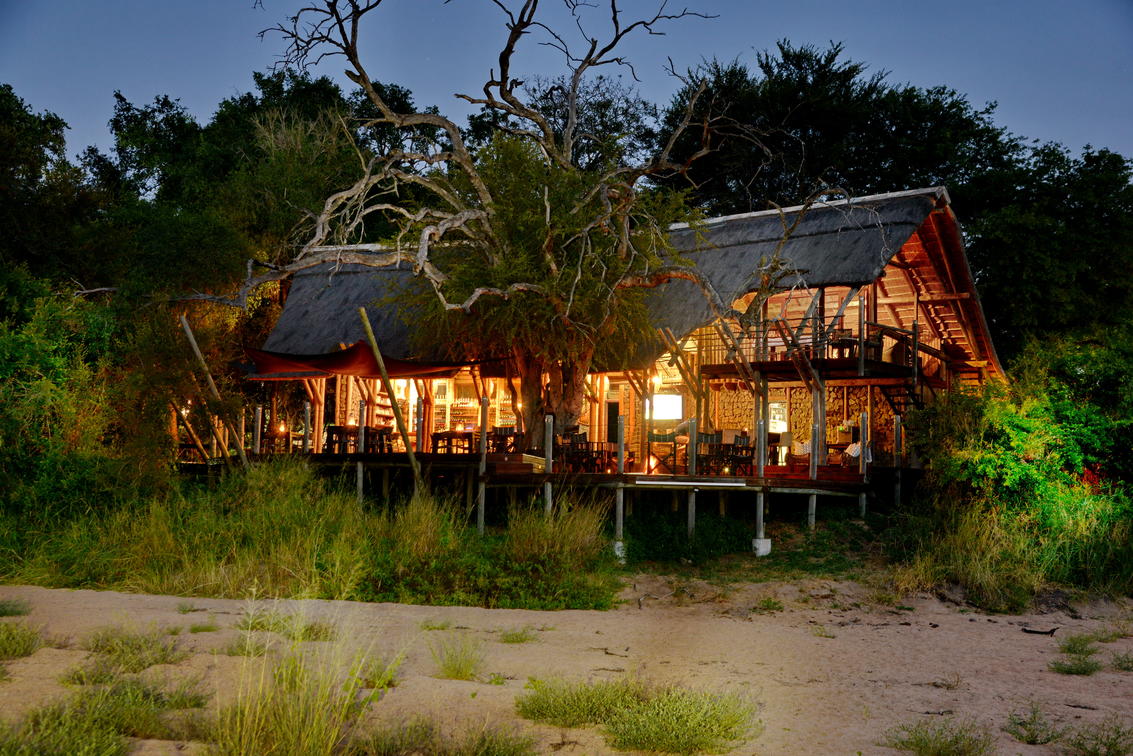


Rhino Post Safari Lodge
Travellers love: Intimate lodge | Walking safaris | Elevated bush suites | Guided game drives
A few days in Kruger can offer some memorable wildlife encounters, but a longer stay gives you more opportunities to explore different areas and enjoy game drives at a relaxed pace.
Three nights
Three nights is a good starting point for a short safari, particularly if you stay in one area and avoid lengthy transfers. It works well for travellers combining Kruger with Cape Town or another South African destination.
Four nights
Four nights gives you more flexibility to explore nearby areas, enjoy several game drives and spend time relaxing between activities.
Five nights
Five nights is a great choice for a first safari, allowing you to explore different habitats and enjoy more wildlife-viewing opportunities without feeling rushed. You could also split your stay between Kruger and a private reserve.
For example, our 6-Day Kruger & Sabi Sands Safari includes three nights at Rhino Post Safari Lodge in Kruger, followed by two nights at Notten’s Bush Camp in Sabi Sands.
Recommended Safari


6-Day Kruger & Sabi Sands Safari
Experience guided game drives and stays at Rhino Post Safari Lodge and Notten’s Bush Camp on this fly-in safari.
More than five nights
Six or seven nights is worth considering if wildlife is the main focus of your holiday. You could explore both southern and central Kruger or combine your safari with a visit to the Panorama Route.
Try to avoid changing accommodation too frequently. Staying in one area for several nights means less time travelling and more opportunities to enjoy wildlife sightings.
A Kruger and Cape Town itinerary is a popular choice, allowing travellers to explore Cape Town, its beaches and the surrounding Winelands before flying east for a safari. For families, this offers a good mix of sightseeing, outdoor activities and wildlife experiences.
The Panorama Route is another worthwhile addition, especially for those travelling through Mpumalanga. Highlights include God’s Window, Bourke’s Luck Potholes and the Blyde River Canyon, with scenic stops around Graskop.
For example, our 6-Day Affordable Kruger & Sabi Sands Safari combines guided game drives and stays at Mdluli Safari Lodge and Langa Langa Tented Safari Camp with a day exploring the Panorama Route.
Recommended Safari


6-Day Affordable Kruger & Sabi Sands Safari
Enjoy guided game drives, comfortable lodge accommodation and a full-day Panorama Route excursion on this family-friendly safari.
Travellers with more time could also include the Garden Route, although this is better suited to a longer itinerary. When combining several destinations, allow enough time to explore each without spending too much of your holiday travelling between them.
Kruger safari costs vary depending on your accommodation, travel dates, length of stay and whether you choose a self-drive or guided safari.
For 2026 and 2027, accommodation costs can range from approximately R2,000 ($120) per night for two people in basic self-drive accommodation to around R7,000 ($425) per person sharing, per night at mid-range private lodges. Higher-end lodges can cost R14,000–R19,500 ($850–$1,185) or more per person per night.
For travellers looking for a fully guided safari, African Family Safaris offers multi-day Kruger and private reserve packages ranging from approximately $1,600 to $3,700 per person sharing for the full itinerary, depending on the itinerary, accommodation and duration. These are indicative starting prices, with actual costs varying according to travel dates, availability and inclusions.
When visiting Kruger National Park, you’ll also need to account for conservation fees. From 1 November 2026 to 31 October 2027, international visitors pay R692 per adult and R345 per child aged 2–11 per day. South African citizens and residents qualify for lower rates with the required identification. Always check the current SANParks tariff before booking, as fees are reviewed annually.
Safari options generally fall into four budget categories:
- Budget: Self-drive safaris, SANParks rest camps, self-catering accommodation and optional guided activities.
- Mid-range: Comfortable lodges or guesthouses, with guided game drives and transfers where included.
- Luxury: Private safari lodges offering meals, guided game drives, premium accommodation and personalised service.
- Ultra-luxury: Exclusive lodges with high-end accommodation, private guiding and additional experiences or transfers.
Flights, transfers, conservation fees and private vehicles can add to the overall cost, so it’s important to check what’s included in your safari package. Travelling outside peak periods may also offer better lodge rates.
Higher accommodation costs don’t necessarily guarantee better wildlife sightings, but they often come with greater comfort, personalised guiding and a more exclusive safari experience.
Kruger National Park is not malaria-free. Although SANParks describes the overall risk as generally low, malaria is present in the region, with the highest risk typically occurring during the warmer, wetter months from November to April.
Mosquitoes that transmit malaria are most active between dusk and dawn. To reduce the risk of bites, wear long-sleeved clothing and trousers, use insect repellent and keep window and door screens closed.
Before travelling, consult a doctor or qualified travel-health professional about malaria prevention, including whether antimalarial medication is recommended. This is particularly important for families with young children, pregnant travellers and those with specific medical considerations.
If you develop an unexplained fever during or after your visit, seek medical attention promptly and inform your doctor of your recent travel to a malaria-risk area.
You don’t need a completely new wardrobe for your safari. Comfortable, practical clothing is more important than specialised safari gear. When considering what to wear on safari in Kruger, think in layers. Winter mornings can be cold, but temperatures often rise considerably by midday.
Essential safari packing list:
- Lightweight, breathable shirts and trousers
- A warm fleece or jacket for early-morning game drives
- Comfortable walking shoes
- Neutral or muted-coloured clothing
- Sun hat and sunglasses
- High-SPF sunscreen
- Insect repellent
- Binoculars
- Camera and spare batteries or a power bank
- Reusable water bottle
- Small daypack
- Personal medication and basic toiletries
- Light rain jacket for summer travel
Additional items for children:
- Comfortable layers that are easy to put on and remove
- Closed shoes
- Favourite snacks
- Small binoculars
- Books, wildlife guides or quiet entertainment for longer drives
- A favourite comfort item for younger children
A little preparation can make a big difference to your Kruger safari experience. Here are some common mistakes to avoid:
Underestimating distances: Distances within Kruger can be deceptive. Park speed limits, wildlife sightings and stops along the way mean journeys often take longer than expected. Allow plenty of time to reach your camp before the gates close.
Booking too late: Popular rest camps, family rooms and private safari lodges can fill up well in advance, particularly during school holidays and peak safari months. Booking early gives you a better choice of accommodation.
Expecting guaranteed wildlife sightings: No safari operator can guarantee sightings of lions, leopards or other animals. Wildlife encounters are unpredictable, so allow enough time for game drives and enjoy the smaller sightings along the way.
Kruger Safari FAQs
No. One of Kruger’s attractions is that you can legally explore much of the park independently in your own vehicle. However, a guide can dramatically enhance the experience by identifying tracks, birds and animal behaviour. A good compromise is combining self-drive days with guided morning, sunset or night drives.
There is no single Kruger airport. Options include Skukuza Airport, Kruger Mpumalanga International Airport near Nelspruit/White River, Hoedspruit Airport and Phalaborwa Airport. The best choice depends on where you are staying. There are scheduled flights from Johannesburg to several of these airports, while Skukuza also has flights from Cape Town.
Absolutely. A Cape Town and Kruger holiday is one of the most popular South African combinations. A practical itinerary is to spend three or four nights in Cape Town followed by three to five nights on safari. Flying between the destinations saves considerable time and creates a good balance between city sightseeing, scenery and wildlife.
Plan Your Kruger Safari with African Family Safaris
Whether you’re planning your first Kruger safari or returning to explore more of the region, choosing the right accommodation, activities and itinerary can make all the difference.
At African Family Safaris & Tours, we can help you plan a safari that suits your interests, budget and travel preferences, from family-friendly lodges to guided experiences in Kruger and the surrounding private reserves.
Ready to start planning? Get in touch with our team to create your ideal Kruger safari.
Meet the Author

Gareth turner
Product & sales manager
Gareth has over 20 years of experience, with a strong background in safari planning, destination management and creating memorable African travel experiences. He has a particular passion for wildlife, nature and helping travellers discover the diversity of Southern Africa.