
 South Africa
 Botswana
 Namibia
 Kenya
Kenya Morocco
 Mozambique
 Tanzania
 Zanzibar
 Zambia
 Zimbabwe
 View All Safaris
Wildlife & Conservation
Botswana Animals & Wildlife Guide
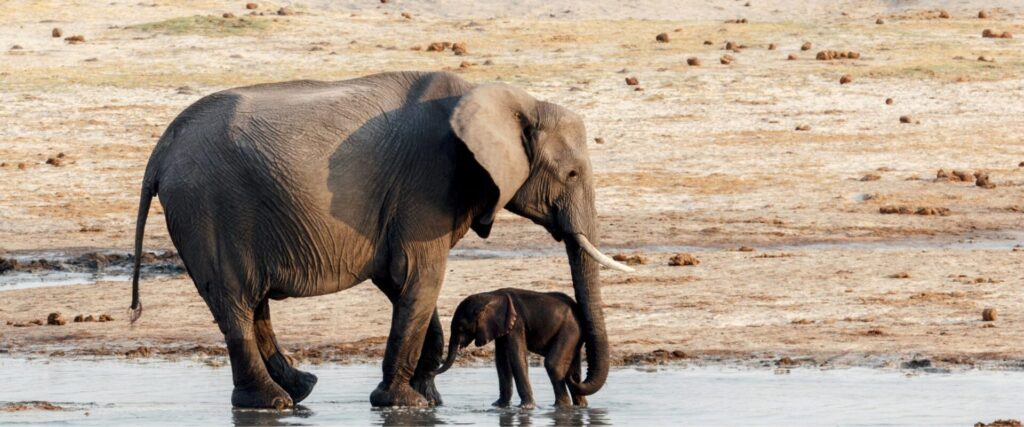
Botswana is one of Africa’s last great wilderness strongholds. This animals and wildlife guide is especially helpful for families planning an African safari, with the country offering vast, unfenced reserves, low visitor numbers and an extraordinary concentration of wildlife.
We explore the Botswana animals you can see on a wildlife safari in Botswana – from the famous Big Five to African wild dogs, cheetah, hyena, migratory herds and exceptional birdlife – and explain where you are most likely to find them.
Botswana Animals and Where to See Them
Botswana is home to a remarkable range of wildlife, from the Big Five to rare predators, migratory herds and wetland species. Here is a quick overview of some of the most notable Botswana animals and where you are most likely to see them.
| Botswana animal | Best places to see them | What to know |
|---|---|---|
| Lion | Okavango Delta, Moremi, Savuti, Chobe, Linyanti | Often seen on early morning and late afternoon game drives |
| Leopard | Moremi, Okavango Delta, Chobe, Linyanti | Secretive; night drives and off-road tracking can improve sighting chances |
| Elephant | Chobe Riverfront, Linyanti, Okavango Delta, Moremi | Large herds gather near permanent water during the dry season |
| Buffalo | Okavango Delta, Moremi, Chobe, Linyanti | Common near floodplains and permanent water |
| Rhino | Selected private reserves and concessions | The rarest of the Big Five in Botswana |
| Cheetah | Central Kalahari, Makgadikgadi, Nxai Pan, northern Okavango | Best suited to open terrain |
| African wild dog | Moremi, Okavango Delta, Linyanti, Kwando, Selinda | Botswana is one of their key strongholds |
| Hyena | Moremi, Okavango Delta, Chobe, Savuti, Makgadikgadi | Both spotted and brown hyena can be seen |
| Zebra & wildebeest | Makgadikgadi and Nxai Pan | Large seasonal movements during the green season |
| Hippo | Okavango Delta, Chobe River | Best viewed from boats and mokoro excursions |
| Giraffe | Northern Botswana | Common across savannah and woodland areas |
| Antelope | Okavango, Chobe, Linyanti, Central Kalahari | Species vary according to habitat |
Botswana offers some of Africa’s most rewarding wildlife viewing, thanks to its vast protected areas, low-density tourism and remarkably varied habitats. From the waterways of the Okavango Delta to the open plains of Savuti and the elephant-rich Chobe Riverfront, each region offers a different safari experience, giving families and first-time visitors the chance to see a wide range of species.
Botswana’s wildlife is spread across a remarkable variety of national parks, game reserves and private concessions, each offering different habitats and animal sightings. Chobe National Park is particularly well known for elephants and large concentrations of game along the Chobe River, while Moremi Game Reserve combines wetlands, woodland and floodplains within the Okavango Delta.
Further south, Makgadikgadi Pans and Nxai Pan National Parks are known for seasonal migrations and open landscapes, while the Central Kalahari Game Reserve offers a very different wildlife experience across vast semi-arid plains. Understanding the differences between Botswana’s wildlife areas can help you decide which regions to include in your itinerary.
The Big Five – lion, leopard, elephant, buffalo and rhino – remain the most sought-after sightings on an African safari. Botswana is one of the few countries where you can still see all five in genuinely wild, low-impact environments, although sightings vary considerably by region, season and species.
Some areas are particularly well known for elephants, lions, leopards and buffalo, while rhino sightings are less widespread. Knowing where each species is most commonly found can help you choose the right reserves, national parks and camps for your safari.
African Lion
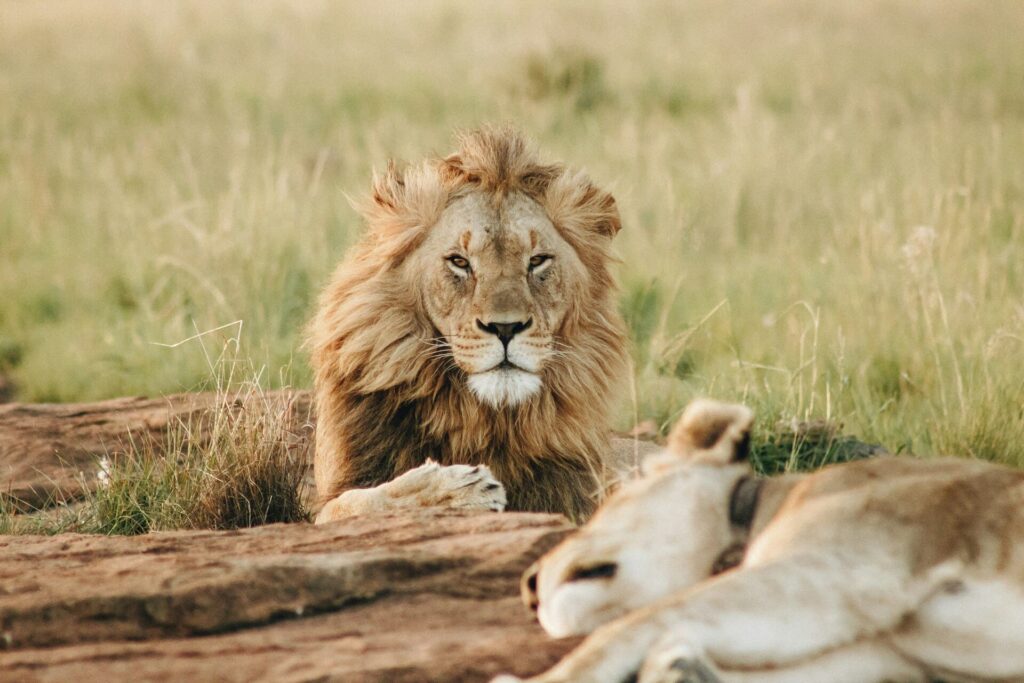
Botswana’s lions are powerful and often very photogenic, especially males with thick, dark manes in some regions.
You are likely to see:
- Prides resting in the shade during the heat of the day
- Lions patrolling their territory at first light and last light
- Coordinated hunts along floodplain edges and open plains
The Okavango Delta and Moremi Game Reserve are classic lion areas, with relaxed prides and frequent daytime sightings. Chobe National Park, including Savuti and the Chobe Riverfront, is famous for intense predator–prey dynamics and occasionally dramatic interactions. The Linyanti and Kwando concessions are also productive lion territories with fewer vehicles and more exclusive sightings.
Lion encounters are often a highlight of a wildlife safari in Botswana. Guides will manage distances carefully and move away if scenes become too intense for younger children, a key consideration when planning a Botswana family safari.
Leopard
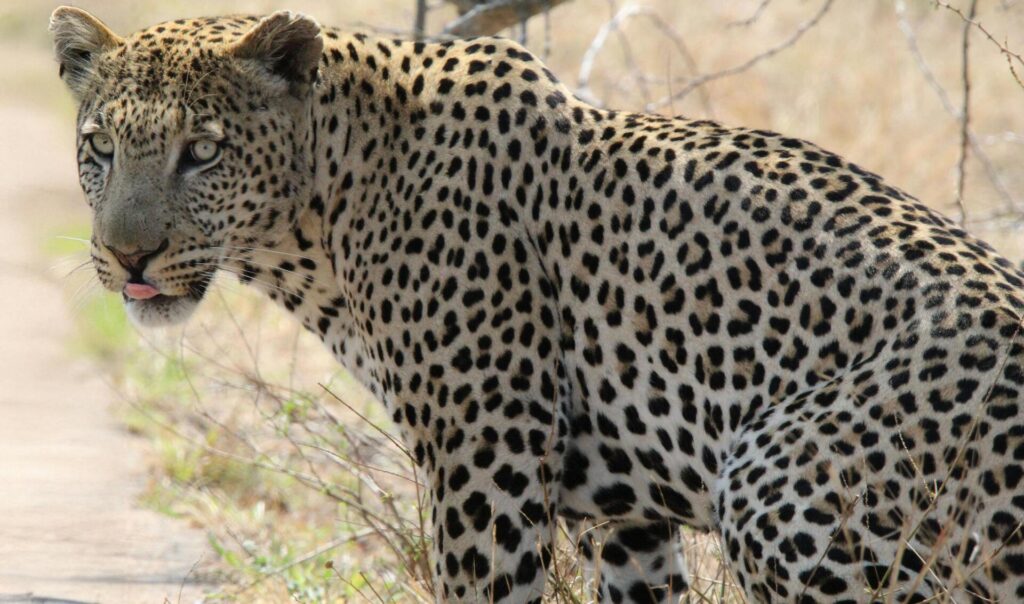
Leopards are secretive and solitary yet relatively common in Botswana’s woodlands and riverine zones.
To improve your chances of spotting them:
- Scan large trees along riverbeds for hanging tails or leopards resting on branches
- Look for drag marks or carcasses cached in trees
- Focus on early morning, late afternoon and night drives, where these are permitted
Moremi Game Reserve is one of Africa’s most reliable regions for leopard sightings. Private concessions in the Okavango Delta often allow off road tracking and night drives, which significantly increase viewing chances. The forest reserves around Chobe and the mature woodlands of Linyanti also support healthy leopard populations.
Families using a private vehicle have the flexibility to wait patiently and give shy leopards time to relax near the vehicle, often resulting in calm, close range sightings.
African Elephant
Botswana holds one of Africa’s largest elephant populations, with well over 100,000 animals. It is one of the continent’s premier destinations for elephant-focused safaris and a key reason many travellers choose a Botswana wildlife holiday.
Typical elephant behaviour you are likely to see includes:
- Large breeding herds drinking, bathing and playing at rivers and lagoons
- Young calves learning from older females in tight family groups
- Solitary bulls moving quietly through woodland or standing calmly at waterholes
The Chobe Riverfront is world-renowned for enormous dry-season elephant concentrations, and boat cruises here offer close but safe encounters. The Linyanti and Kwando areas provide superb elephant viewing in a more private setting along rivers and marshes. The Okavango Delta and Moremi offer year-round elephant sightings amid beautiful wetland scenery, while Makgadikgadi and Nxai Pan see elephants visiting in the dry season to drink at permanent or pumped waterholes.
For a family safari in Botswana, elephants are often the favourite animals: they are impressive, social and usually less confronting than predators.
African Buffalo
Cape buffalo are powerful, herd living animals that form an important part of Botswana’s wildlife ecosystem.
You may see:
- Large herds sweeping across floodplains, often raising dust clouds
- Older bulls spending time in small groups or alone, often near mud wallows
- Oxpecker birds riding on their backs and feeding on parasites
Buffalo are common in the Okavango Delta and Moremi, where very large herds move between grazing areas and water sources, particularly during the dry season. Chobe and Linyanti also provide excellent buffalo viewing near permanent water, especially later in the dry season as pans dry out and animals concentrate.
From a vehicle, buffalo are safe and fascinating to watch, particularly when lions are trailing them or stalking the fringes of the herd.
Rhino
Rhinos are the rarest of the Big Five in Botswana due to historic poaching across the region, but carefully managed reintroduction and protection projects have created small, growing populations.
Today, rhinos can be found in selected secure private reserves in eastern Botswana, including parts of the Tuli Block. There are also populations of both black and white rhino in certain private concessions within the Okavango Delta. These animals are heavily protected, and their exact locations are not widely publicised for conservation and security reasons.
If seeing a rhino is important to your Botswana wildlife experience, mention this early to your safari planner so they can incorporate appropriate reserves or concessions in your itinerary.
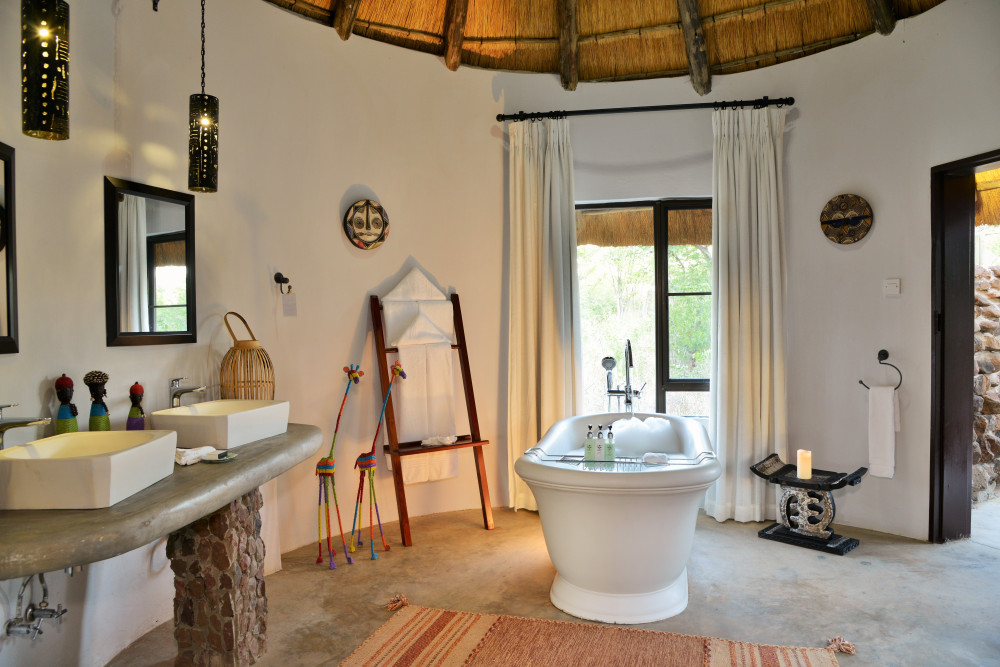
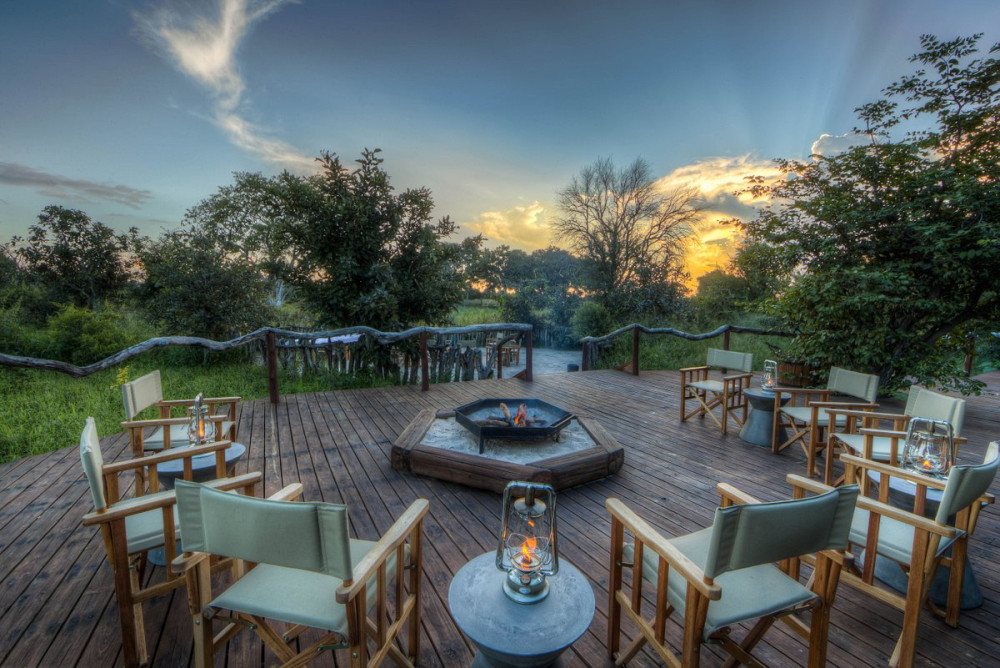
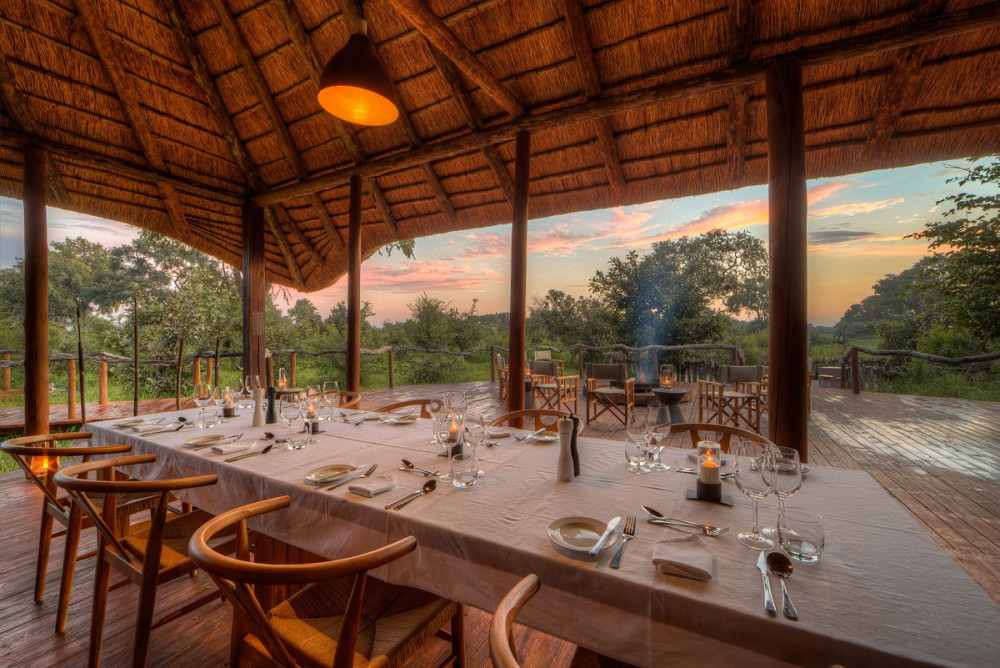
For travellers hoping to experience several of Botswana’s key wildlife regions in one trip, our 10-Day All Inclusive Botswana Safari combines Chobe National Park, Moremi and the Okavango Delta, with game drives, mokoro excursions and lodge stays across all three areas.
Recommended Safari
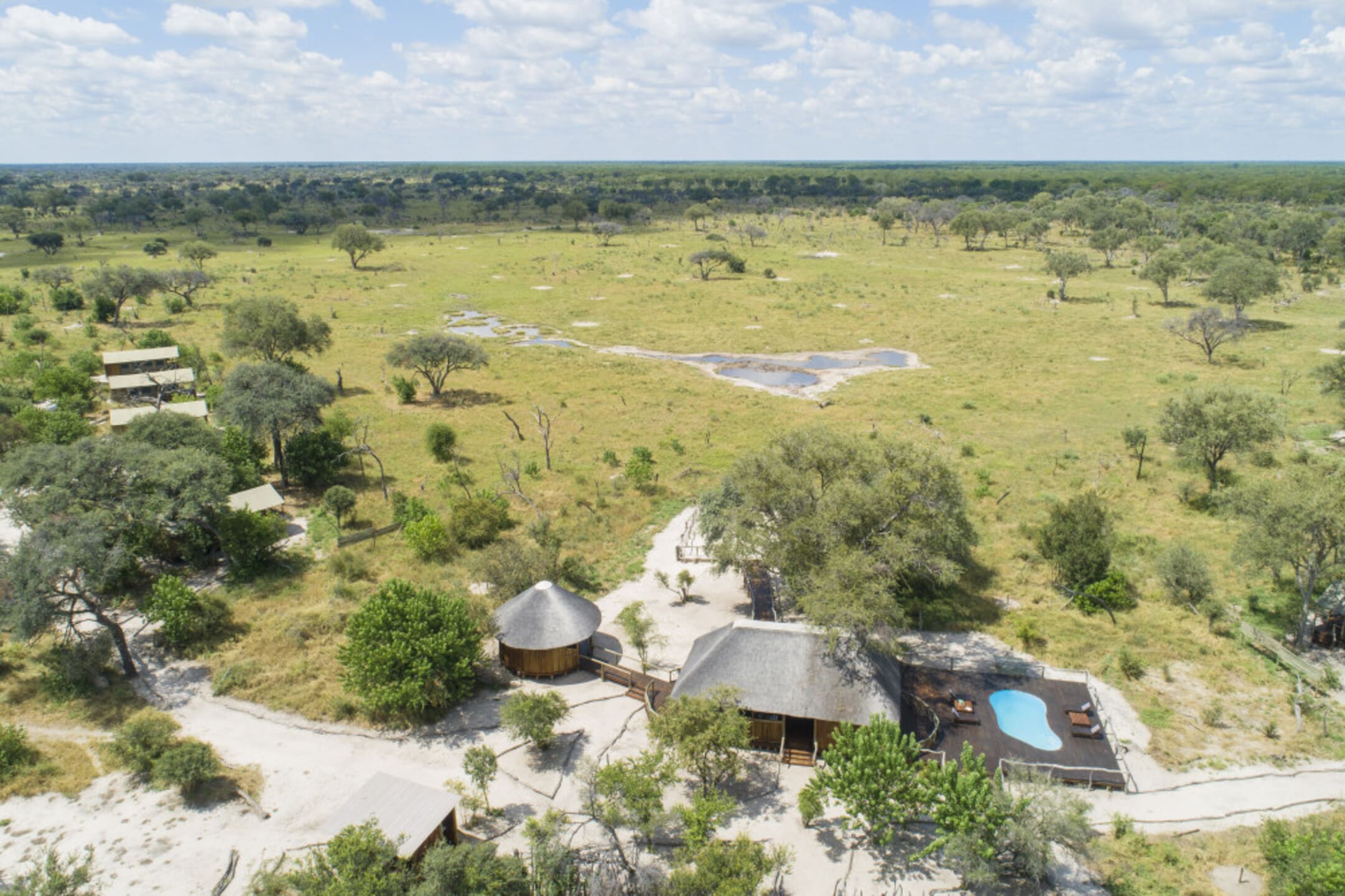
Botswana Highlights All Inclusive
10 Days | 3 lodges | Game drives | Water & land based safaris
Beyond the Big Five, Botswana offers excellent viewing of other major predators. Open plains, healthy herbivore populations and large protected areas support cheetah, African wild dog and both spotted and brown hyena – all important species to look out for on a wildlife safari in Botswana.
Cheetah
Cheetahs are built for speed and are typically associated with open terrain where they can sprint after prey.
You can recognise cheetahs by their slender bodies, long legs and small, rounded heads, as well as the distinctive black tear marks running from their eyes to their mouths. They often rest on termite mounds or low rises to scan their surroundings and prefer to hunt during the cooler hours of the morning and late afternoon.
The Central Kalahari Game Reserve is classic cheetah habitat, with expansive open spaces and prey such as springbok. Makgadikgadi and Nxai Pan also attract cheetahs, especially during the Botswana green season when zebra and wildebeest gather on the pans. The open floodplains and savannah of the northern Okavango and Linyanti can also be productive for cheetah sightings.
Cheetah hunts are dramatic yet usually short, which can often make them easier for younger children to watch than extended lion hunts.
African Wild Dog
African wild dogs, sometimes called painted wolves, are among Africa’s most endangered carnivores, and Botswana is one of their global strongholds.
They are easily recognised by their mottled tan, black and white coats, long legs and large rounded ears, with each dog having a unique pattern. They are highly social and form tight-knit packs with complex social structures. Pack members greet one another enthusiastically and often spend time playing. They are most active in the cool hours of the morning and late afternoon, when they hunt cooperatively.
The Okavango Delta and Moremi Game Reserve are among the best places in Africa to see African wild dogs, with several well-studied packs. The Linyanti, Kwando and Selinda regions are also excellent areas for wild dog sightings, offering large territories, low vehicle densities and flexible tracking rules. Northern Chobe and Savuti provide additional possibilities, although sightings can be less predictable because of the dogs’ extensive home ranges.
For families, wild dogs are particularly engaging to watch because of their cooperative behaviour and constant interaction. Even away from hunts, time spent near a resting or denning pack is often a trip highlight.
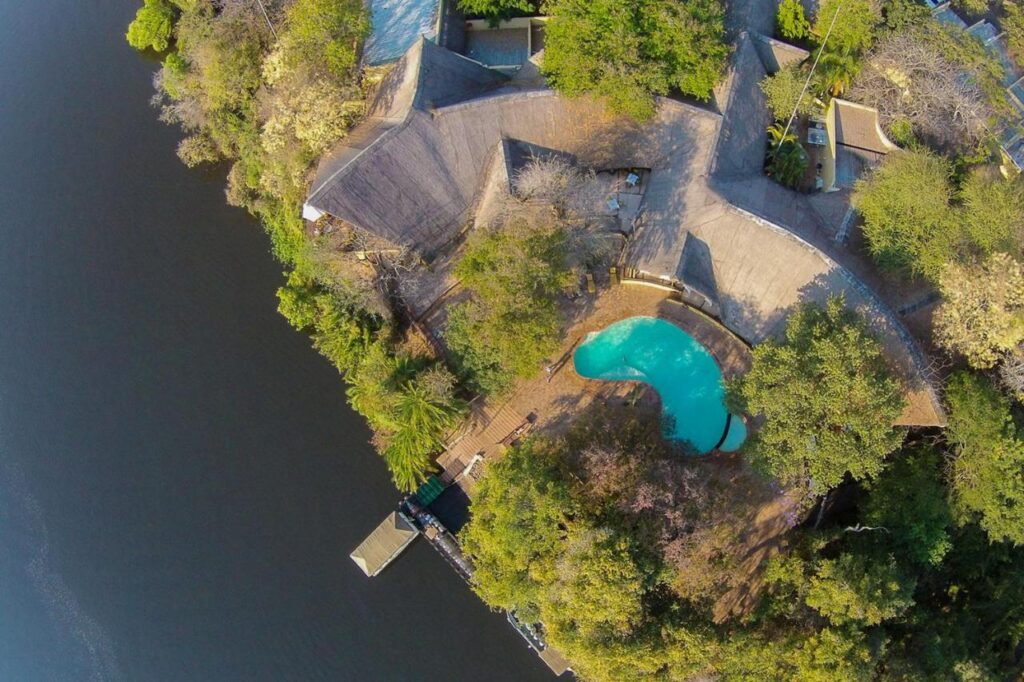
For more opportunities to explore predator-rich areas, our 9-Day Botswana in Chobe, Moremi & Okavango itinerary includes Moremi and private concessions where night drives and off-road tracking are available.
Recommended Safari



Botswana in Chobe, Moremi & Okavango
9 Days | Best for migratory birding | Boat cruise | Helicopter flights | Mokoro trips
Hyena
Hyenas play a vital role in Botswana’s wildlife ecosystems as both hunters and scavengers.
Spotted hyena are robust animals with powerful shoulders, sloping backs and extremely strong jaws. They are well known for their whooping calls at night and are often seen scavenging around predator kills, but they are also highly effective hunters, particularly when working in groups.
Spotted hyenas are common in Moremi and the Okavango Delta, throughout much of Chobe and Savuti, and across the Linyanti and Kwando regions. Night drives in private concessions can provide memorable sightings around den sites and along game paths.
Brown hyenas are shyer and solitary, with long, shaggy dark coats and narrower faces. They favour arid and semi-arid environments and are most often seen in Makgadikgadi and Nxai Pan, as well as parts of the Central Kalahari Game Reserve and nearby private reserves. Brown hyena sightings are less frequent, making them a special highlight for keen wildlife enthusiasts.
Botswana’s predators rely on a diverse community of grazing and browsing animals. Many of these herbivores are highly visible, active and fascinating to watch, making them ideal for relaxed family viewing during a safari.
Common Large Herbivores
Giraffes are widespread in northern Botswana, feeding mainly on acacia and other trees. Their slow movements and towering silhouettes are a classic image of Botswana safari wildlife.
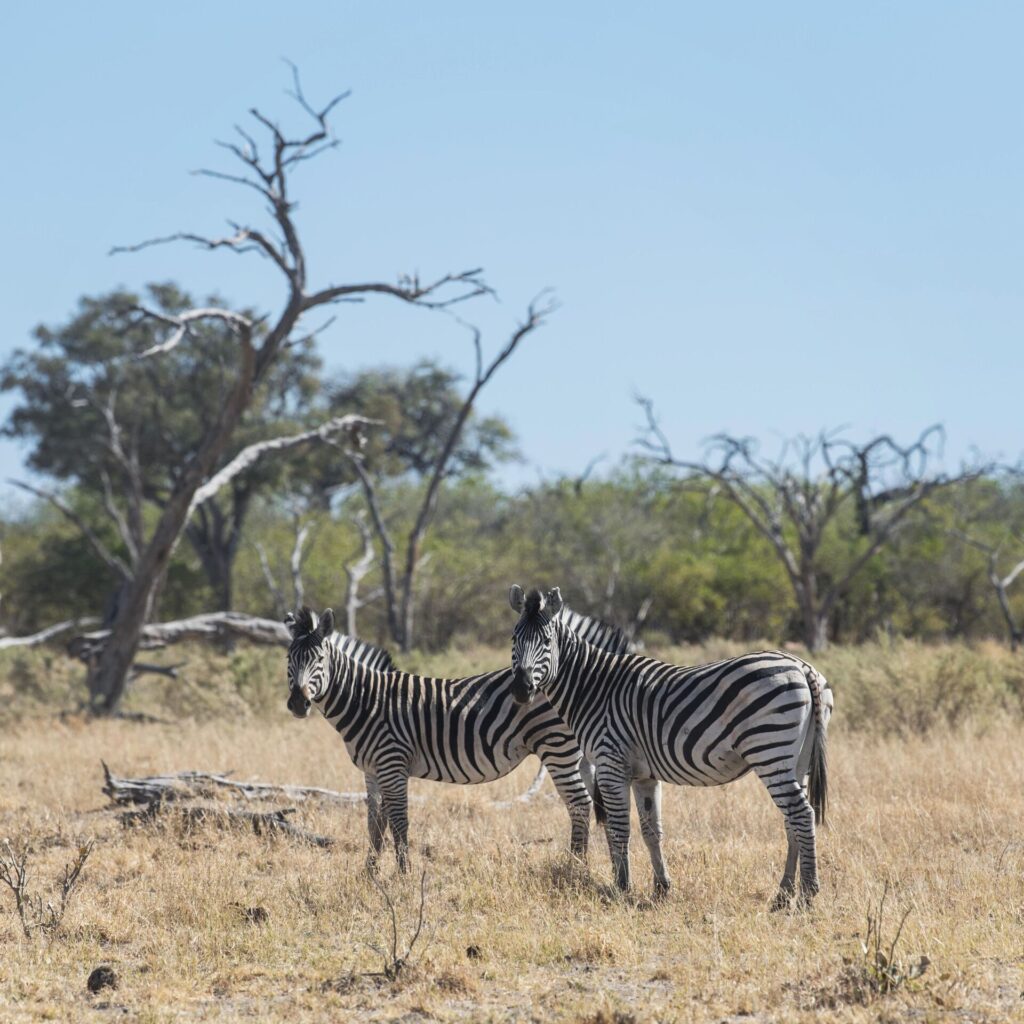
Plains zebra, Botswana’s national animal, are seen in large herds in the Okavango Delta, Chobe and the Linyanti, and in spectacular migratory numbers on the Makgadikgadi and Nxai Pans.
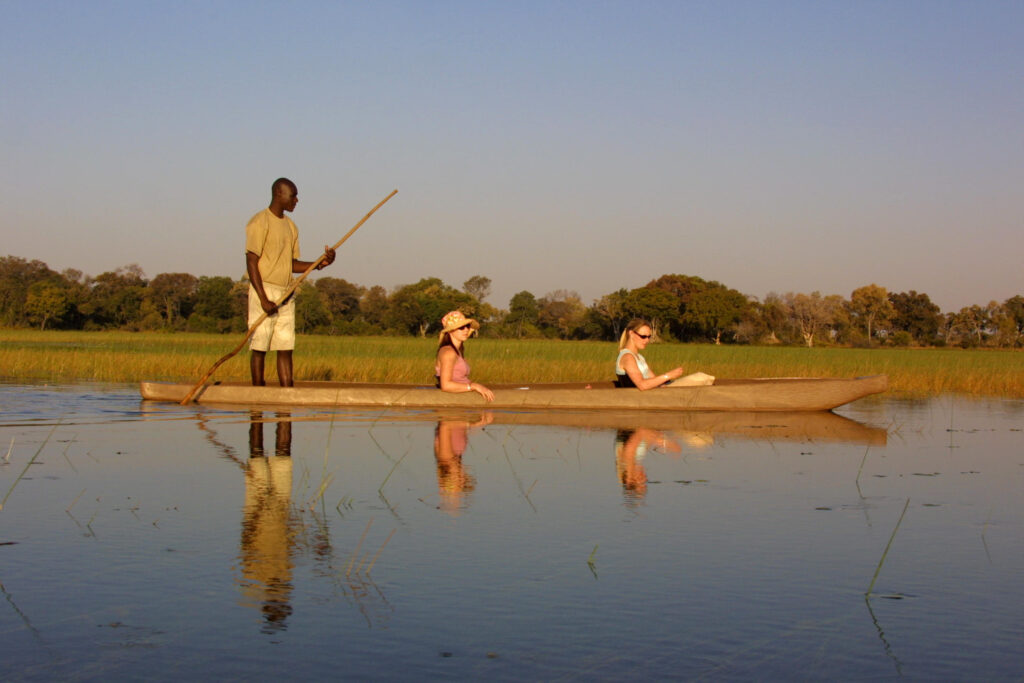
Hippos are abundant in the Okavango Delta and along the Chobe River. They spend most of the day in water, surfacing and vocalising, and emerge to graze on land at night. Boat cruises and mokoro excursions offer close but safe views.
For a different perspective on Botswana’s wildlife, explore our boat safari experiences, which offer the chance to see hippos and other animals from the water.
Warthogs are common throughout savannah and woodland areas. Their tail-up trot and habit of kneeling while feeding make them one of the more memorable Botswana animals to spot, especially for younger travellers.
Recommended Safari



Botswana Okavango Delta Package
5 Days | 2 camps | Mokoro trips | Game drives | Night-time tracking
Antelope and Their Preferred Habitats
Botswana supports a wide range of antelope species, many of which are closely associated with particular environments.
Wetland and floodplain antelope include red lechwe, a rust-coloured species adapted to moving through shallow water. They are best seen in the Okavango Delta and Linyanti floodplains. The elusive sitatunga, another swamp antelope, is sometimes seen among the deep papyrus channels of the Okavango, particularly from boats.
Savannah and woodland antelope include impala, the most common antelope and a key prey species for many predators. Kudu, with their spiral horns and vertical body stripes, prefer denser woodland and are frequently seen in Chobe, Linyanti and around the edges of the Delta. Tsessebe and topi are fast, alert antelope that often stand on mounds to scan for danger. Roan and sable antelope are larger, striking species with impressive horns and can be found in selected parts of Chobe, Linyanti and other northern reserves.
Desert and semi-desert antelope are characteristic of the Central Kalahari and Makgadikgadi region. Springbok are known for their distinctive pronking leaps, while oryx, also called gemsbok, are iconic Kalahari antelope with long, straight horns and bold facial markings. Eland, Africa’s largest antelope, also occur here and can travel long distances in search of grazing.
Learning to identify antelope by their horns, markings and behaviour can add an enjoyable and educational element to wildlife viewing in Botswana.
Some of Botswana’s most impressive wildlife experiences are seasonal. Understanding these patterns can help you choose the best time for your Botswana itinerary.
Seasonality can also affect the cost of your trip, with rates often varying between the green and dry seasons. See our guide to Botswana safari costs for a breakdown of what to expect when budgeting for your trip.
Zebra and Wildebeest Migration
Botswana hosts one of Africa’s last great zebra migrations, a key feature of the country’s wildlife calendar.
During the green season, usually from December to April, thousands of zebras and wildebeest move from the Boteti River and surrounding regions into the Makgadikgadi and Nxai Pans. They are drawn by fresh, nutrient-rich grasses that grow after the first rains. Lions, cheetahs and other predators follow the herds, creating dynamic wildlife viewing opportunities across the open pans.
This migration is far less crowded than the famous Serengeti–Mara migration, making it especially appealing to travellers who value space, quieter sightings and a more remote wildlife experience.
Seasonal Elephant Movements
Elephants also have distinct seasonal patterns. In the dry season, from May to October, they concentrate around permanent water in the Chobe, Linyanti and Okavango systems. As the rains arrive and seasonal pans fill, elephants disperse more widely across northern Botswana.
If seeing very large elephant herds is a priority, the later dry season is usually the best time to visit, when water is most limited and elephants gather in large numbers along major rivers.
Recommended Safari
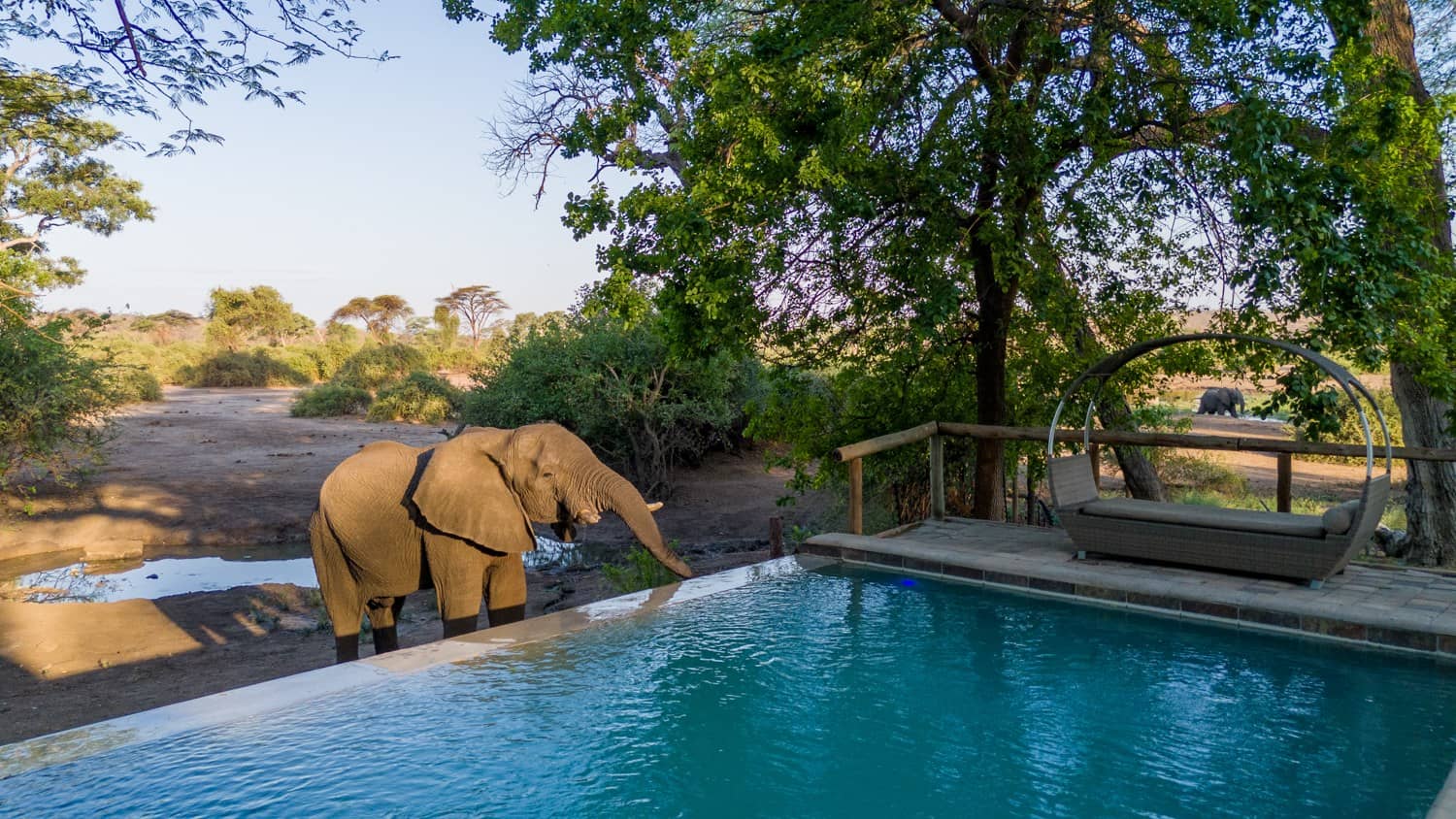


5-Day Botswana Safari Package
2 lodges | Game drives & bush walks | Boat cruises along Chobe River | Mokoro safaris
Botswana is a superb birdwatching destination, even for travellers who do not consider themselves birders. Birds add colour, movement and constant interest to game drives and boat trips.
More than 550 bird species have been recorded in the country. Diversity is especially high in the Okavango Delta, Chobe and Linyanti regions, particularly during the green season when migratory species arrive from other parts of Africa, Europe and Asia.
Water and wetland birds include African fish eagles, saddle-billed and open-billed storks, various herons and egrets, and several kingfisher species, including malachite, pied and giant kingfishers. These are best seen along rivers, lagoons and Delta channels.
Colourful favourites include the lilac breasted roller, often called Botswana’s signature bird, which is often easy to spot perched on roadside branches. Southern carmine bee-eaters form spectacular nesting colonies in sandy riverbanks during the warmer months, while other bee-eaters and rollers add splashes of colour to woodland drives.
Raptors and owls are also well represented, with species like martial eagle, bateleur and tawny eagle commonly seen soaring over open areas. Giant eagle-owls and pearl-spotted owlets can sometimes be found during careful daytime searches or on guided night drives where available.
Ready to Explore Botswana’s Wildlife?
Botswana combines abundant wildlife, pristine habitats and carefully managed tourism, making it one of Africa’s most rewarding safari destinations. From lions resting in the shade and elephants gathering at rivers to wild dogs at their dens and flamingos across the salt pans, the country offers memorable wildlife experiences for every generation.
African Family Safaris can help you plan a Botswana itinerary around the animals, regions and experiences that matter most to your family. From choosing the right reserves and camps to balancing game drives, boat safaris and family-friendly activities, we can create a safari that suits your interests, travel style and time of year.
Explore our Botswana family safaris packages or get in touch to start planning your trip.